The Archaeology of the Crusty Jar: Why We Hoard Our Culinary Residue
We all have that one jar at the back of the fridge—half-empty, crystallized, and impossible to throw away. Why do we cling to these sticky remnants of past meals?
The Sticky Relic in the Back Row
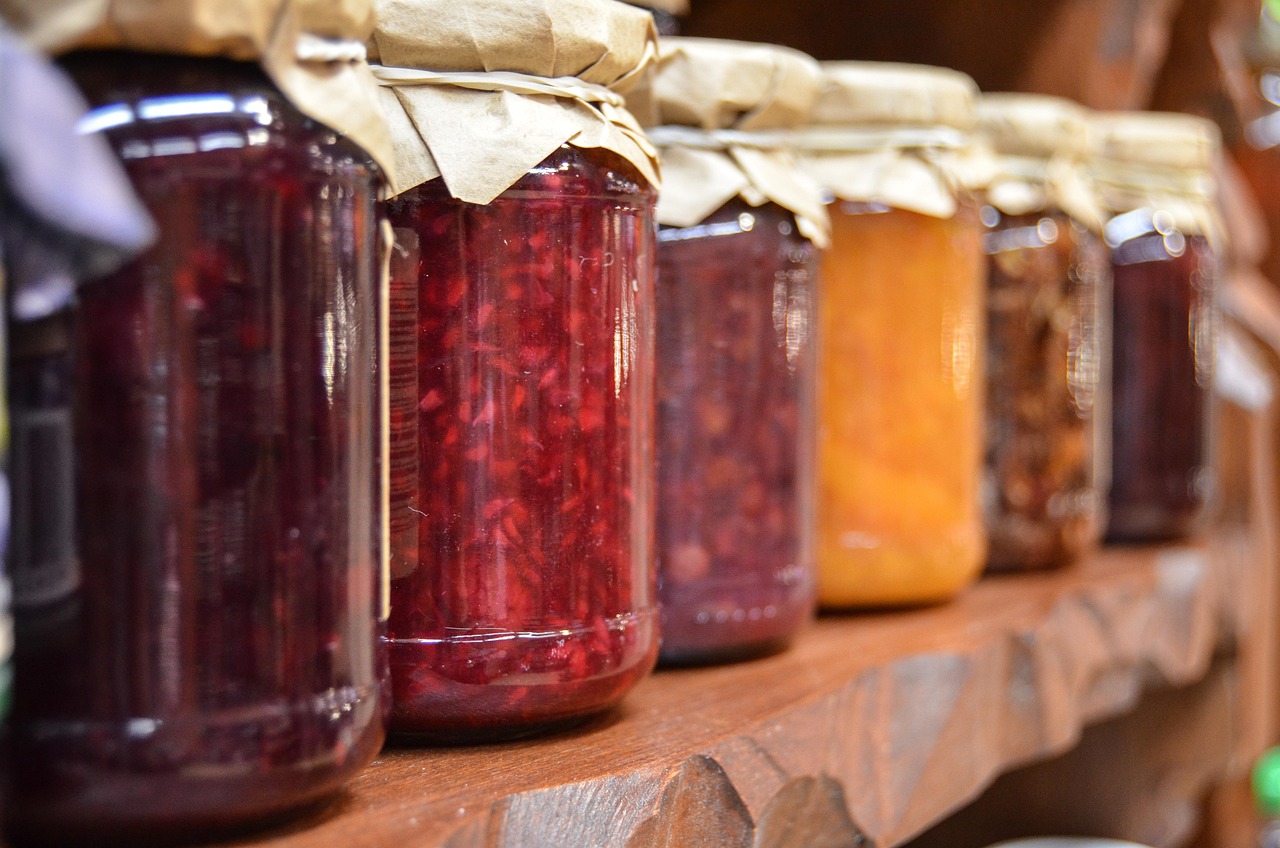
Open your refrigerator right now, slide past the fresh kale and the milk that might still be good, and navigate to the dark, cavernous depths of the very back shelf. There, you will likely find it: a jar of artisan marmalade from three Christmases ago, or perhaps a honey bottle so crystallized it looks like a geological formation. It is the culinary equivalent of an archaeological dig site. We don’t eat from it, yet we cannot bring ourselves to commit it to the bin. It is a crusty, sticky monument to a version of ourselves that actually had time to make sourdough toast on a Tuesday morning.
The Psychology of Potential
Why do we keep these jars? It isn’t about the actual substance—the fermented remnants of last summer’s blueberry jam or the two tablespoons of hoisin sauce left over from a stir-fry we barely remember cooking. It is about the potential inherent in the container. When we look at that jar, we see a promise. We see the possibility of a quick meal, a secret ingredient that will transform a mundane dinner into a masterpiece. To throw it away is to admit that the culinary project we imagined has officially failed.
The jar is never just a jar; it is a repository of our intentions. It represents the person we meant to be—the one who cooks, the one who hosts, the one who never lets a drop of artisanal condiment go to waste.
The Texture of Time
There is also a sensory aspect to this hoarding. The crusty rim of a jar is a literal timeline. If you examine the dried ring of syrup around the lid, you are looking at layers of humidity, temperature fluctuations, and the passage of weeks. It is a physical manifestation of time spent in the kitchen. We hold onto these items because they anchor us to the past. That jar of chili oil isn't just spicy fat; it’s the record of a rainy November night when we were brave enough to try a new recipe. Discarding it feels like scrubbing away a memory.
The Ritual of the Clean Slate
However, there comes a point where the archaeology stops and the clutter begins. Keeping these jars is a form of procrastination. By holding onto the remnants, we avoid the labor of cleaning, organizing, and resetting our space. It is a comfort zone built of glass and sugar. But consider the freedom that comes with clearing out the back of the fridge. It isn't just about making space for new groceries; it is about acknowledging that our current tastes have changed and that it is perfectly okay to let go of the culinary ghosts of last year.
From Hoarding to Harvesting
If you decide to finally purge your fridge, try to look at each jar as a completed chapter rather than a failure. Did you enjoy that jam? Did you use enough of it to justify the purchase? If the answer is yes, then the jar served its purpose. If the answer is no, then the lesson is learned for your next grocery trip. We don't need to keep the evidence of our past experiments to prove that we are capable home cooks. The best way to respect our food is to consume it while it is fresh, not to let it reach a state of ancient fossilization.
Ultimately, the takeaway is simple: your worth as a cook is not measured by the contents of your pantry shelves. Let go of the crusty jars, reclaim your kitchen space, and give yourself the permission to start fresh with something new.