The Fountain of Dry Promises
I built the heart of the village with my own savings, only to be cast out when the water finally flowed. I learned that gratitude is a currency many are too poor to afford.
The Cost of a Memory
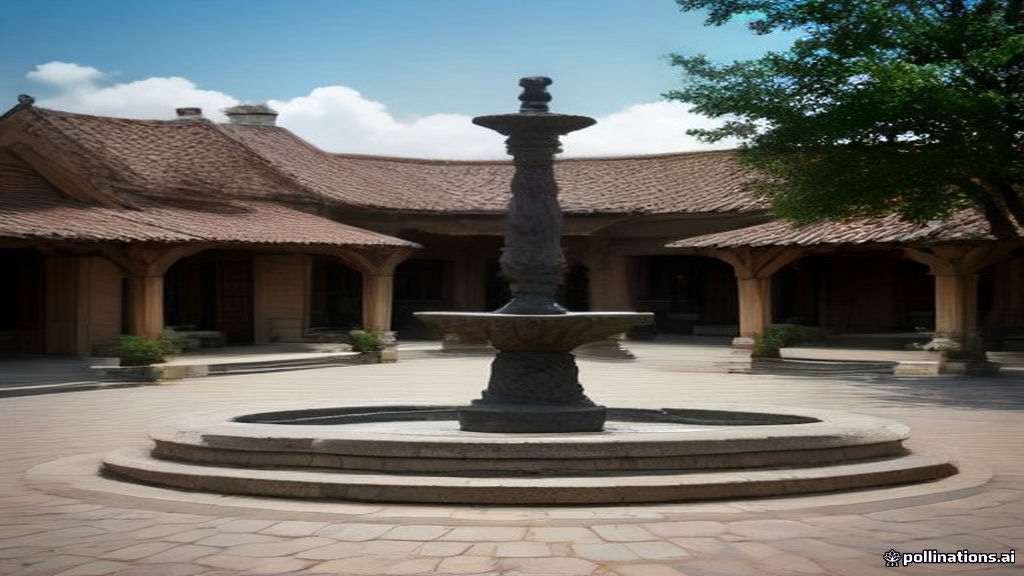
When I returned to Oakhaven after twenty years in the city, the village square was nothing but a patch of cracked dirt and weeds. It was where my grandfather once sat, where the local children played, and where the pride of our community had long since withered. I had done well for myself in logistics, and I decided that my inheritance—the old family plot—would be put to a final, noble use. I poured my savings into building a stone fountain, a centerpiece that would bring life back to the center of the village.
I hired local craftsmen, paid them double the going rate, and spent my weekends hauling stone and mortar. I didn't want a plaque. I didn't want a parade. I just wanted to see that square look the way it did in the old photographs. The Mayor, a man named Elias, shook my hand until it bruised, calling me the 'architect of our rebirth.' Little did I know, the moment the water began to flow, the narrative would shift in the shadows of the council chamber.
The Betrayal of the Benefactor
The trouble began the week after the dedication ceremony. Elias called a town meeting. I arrived expecting to discuss the maintenance schedule, but instead, I found a petition circulating. They claimed that the fountain was now 'public property' and that my continued involvement in its upkeep was 'an unwanted interference in local governance.' My own cousins, people I had fed and helped through school, were the loudest voices in the room.
Gratitude is a burden that the prideful cannot bear for long; they must discard it to feel they owe you nothing.
When I stood up to speak, Elias cut me off. 'You are an outsider now, despite your history,' he said, his eyes darting to the floor. 'The village decides its own destiny, and we’ve decided we don’t need your oversight.' They didn't just push me out of the project; they pushed me out of the community. They locked the gate to the fountain garden and painted over the stone carvings I had commissioned. I was treated like a trespasser in the very place I had resurrected.
The Silence of the Dry Pipes
I left, not because I was defeated, but because I realized the poison had already taken root. I watched from afar as the fountain fell into disrepair. Without my specialized knowledge of the filtration system I had installed, the pumps seized. The stone began to crack under the pressure of stagnant, frozen water. The villagers blamed the 'cheap materials' I had used, conveniently forgetting that they had voted to cut the maintenance budget to fund a new statue of Elias in the park.
- The pump seized within six months of my departure.
- The basin became a collection point for litter and winter rot.
- The Mayor’s statue was vandalized by the very people who cheered for his election.
- The square returned to the same patch of dirt it had been two decades prior.
The Turn of the Tide
Years passed, and the village began to die. The lack of a central hub meant the local businesses couldn't sustain themselves. People moved away, and the tax base crumbled. One rainy Tuesday, Elias appeared at my doorstep in the city. He looked haggard, his suit frayed, his arrogance replaced by a hollow desperation. He told me the village was bankrupt, the infrastructure was failing, and the state was threatening to annex the land for a highway project.
'We need your expertise,' he pleaded, holding out a crumpled contract. 'We need you to sign off on the land usage rights, or we lose everything.' He looked at me, waiting for the righteous anger, the lecture, or the spiteful refusal. Instead, I simply poured him a glass of water, let him watch me drink it, and handed him a document of my own. It wasn't a contract; it was a deed transfer that legally returned the land—and the debt—to the county, effectively ending the village’s independence.
The Final Measure
I didn't take their money, and I didn't take their apologies. I watched from my office window as the demolition crews arrived to turn the square into an exit ramp. The fountain, my labor of love, was the first thing to be demolished. When Elias called one last time, begging for a reprieve, I told him the truth: 'The water was never the problem, Elias. The problem was that you expected me to provide for a thirst you didn't actually have.' I hung up and never looked back. Sometimes, the most powerful thing you can do is stop pretending that the people who betrayed you are worth your intervention.