The Archaeology of the Crusty Cast Iron: Why We Hoard Our Culinary Time Capsules
The Patina of Persistence
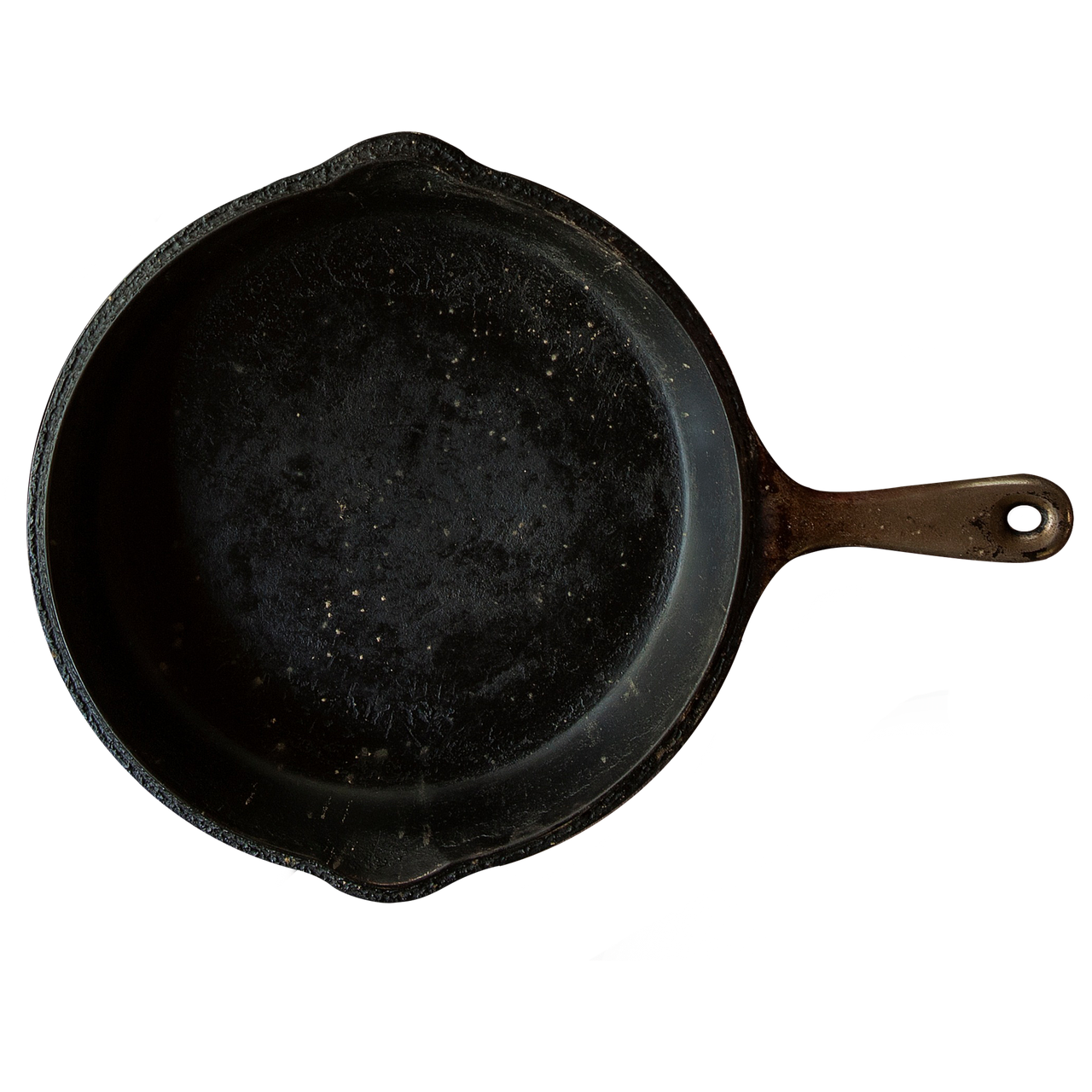
Walk into any kitchen that feels like a home, and you will likely find it: a heavy, black, somewhat greasy-looking pan tucked away in a cupboard or resting permanently on the stovetop. It is the cast iron skillet, an object that defies the modern urge to replace, scrub, and polish until everything looks sterile and new. When we look at a piece of cast iron that has been in use for decades, we aren't just looking at a tool; we are looking at a living document of every breakfast, sear, and accidental burn that has occurred in that space.
We hoard these pans not because they are efficient—though they are—but because they represent a culinary lineage. The seasoning, that smooth, polymerized layer of oil and carbon, is the physical manifestation of patience. It is an archaeological record of every meal cooked within its walls. To wash it away with harsh detergents or steel wool would be to erase the history of the kitchen itself.
The Carbonized Memory of Mistakes
Every seasoned cook has a story about a 'failed' meal that somehow ended up contributing to the pan's character. Maybe it was the night the garlic scorched, or the time the cornbread fused to the base because someone forgot to grease the edges properly. These little accidents leave behind invisible (and sometimes visible) markers that become part of the skillet’s unique DNA.
The seasoning on a cast iron skillet is not merely a non-stick surface; it is a cumulative memory of heat, fat, and human error.
We keep these pans because they are forgiving in a way that modern non-stick cookware never could be. If a ceramic pan loses its coating, it goes to the landfill. If a cast iron pan gets a rust spot or a rough patch, we simply strip it, oil it, and start over. It is a cycle of renewal that mirrors our own lives—we are allowed to make mistakes, to have rough seasons, and to eventually be restored to our original function.
The Weight of Inheritance
There is a unique gravity to a heavy skillet passed down through generations. When you pick up a pan that belonged to a grandmother, you aren't just holding iron; you are holding a conduit to a different era of domesticity. The weight feels significant, anchoring you to the counter as you prepare a meal. It is a physical reminder that someone else stood in this same spot, utilizing the same tools to feed the people they loved.
- The thermal mass that keeps temperatures stable.
- The texture that improves with every decade of use.
- The aesthetic of utility that favors function over shine.
This hoarded inheritance creates a sense of continuity. In a world defined by the rapid turnover of plastic and disposability, the cast iron skillet remains a stubborn monument to longevity. It reminds us that some things—and perhaps some people—actually get better with age and use.
The Ritual of Maintenance
Maintaining a piece of cast iron is a form of secular prayer. It requires attention, oil, heat, and time. You cannot rush the seasoning process. You must wipe the pan, warm it on the stove, and let it absorb the oil, just as you must allow yourself time to process the experiences of your day. This ritualistic care transforms the object from a mere utensil into a companion.
We hoard these artifacts because they anchor us to the present moment while acknowledging the past. They remind us that the food we eat is not just fuel, but a series of interconnected events. Whether it is a perfectly seared steak or a simple fried egg, the pan carries the ghost of a thousand previous meals, making every new one taste just a little bit richer.
Ultimately, the archaeology of the crusty cast iron teaches us that value is not found in the pristine or the brand-new. It is found in the layers. By choosing to hold onto these heavy, imperfect vessels, we are choosing to honor the process of living—messy, seasoned, and enduring. Next time you reach for that pan, remember that you aren't just cooking; you are contributing to a long, delicious history.