The Will of the Paper Crane
The Final Insult
The lawyer’s voice was dry, like sandpaper rubbing against marble. My brother, Marcus, sat across from me, his knee bouncing with a greedy rhythm. My aunt Clara kept dabbing her eyes with a silk handkerchief, though she hadn’t visited my father in the three years he spent wasting away in that drafty Victorian house on Oak Street. I was the one who had changed his bandages. I was the one who had read to him until my voice cracked. And I was the one who had spent my meager savings to ensure he had the specialized bed he needed for his final months.
When the attorney reached the final clause, the room grew uncomfortably warm. 'To my son, Marcus, and my sister, Clara,' he read, 'I leave the house, the land, and the entirety of my liquid assets, as they have been so vocal about their concern for my welfare.' I felt a sharp, cold spike in my chest. My father knew they were vultures. He knew Clara had only come around when the hospice nurse mentioned the size of the estate. He knew Marcus had stopped calling years ago, only reappearing when the doctors gave the final prognosis.
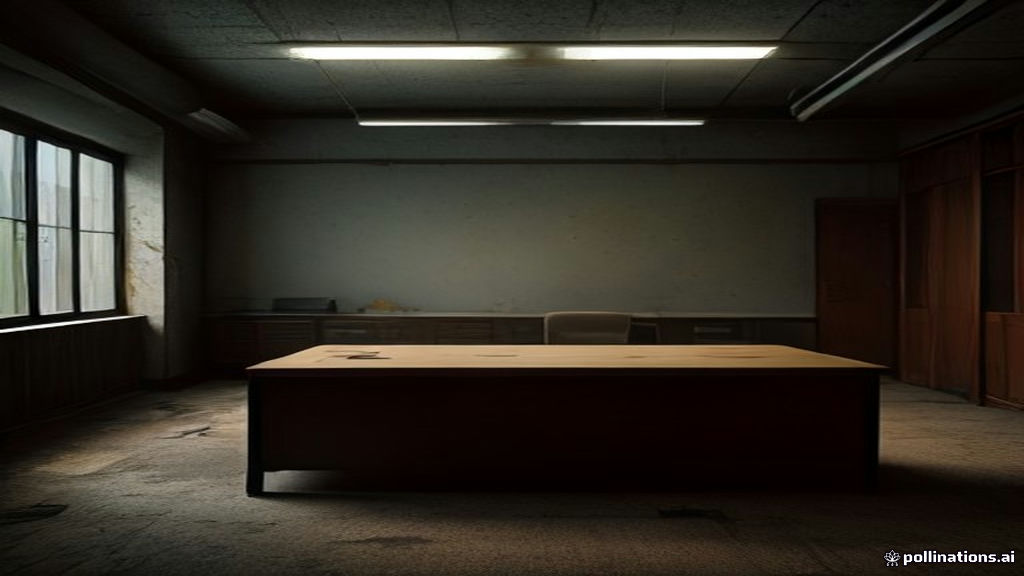
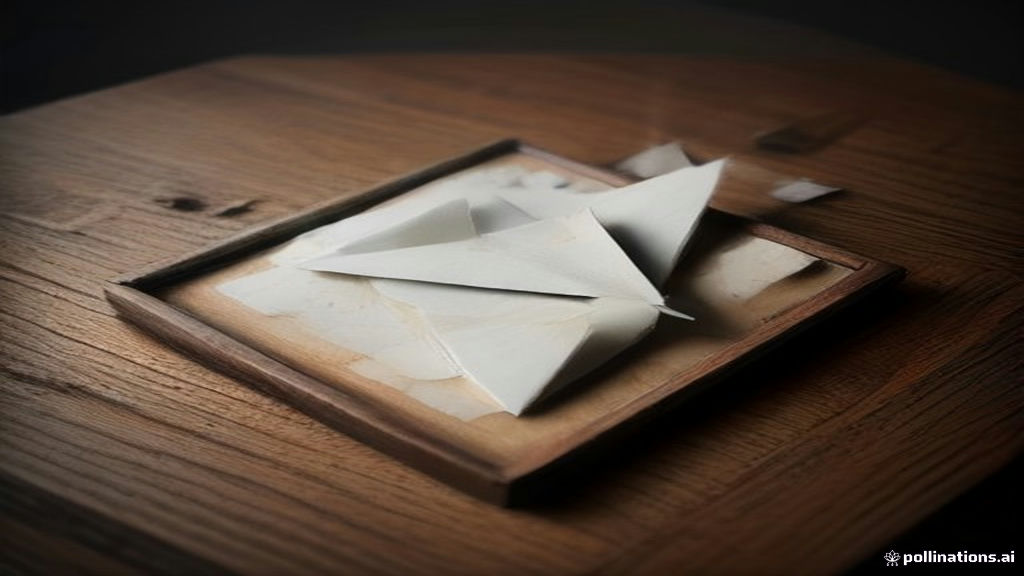
Then the lawyer looked at me. 'And to my daughter, Elena, who gave me her life when I had nothing left to give, I leave the contents of the mahogany desk in the study, and this.' He slid a small, intricately folded paper crane across the mahogany table. It was made from a yellowed, fragile piece of legal parchment. Marcus laughed, a sharp, barking sound that grated against the silence. 'A bird? He left you a piece of origami? That’s poetic, Elena. You took care of him for three years, and you get a scrap of stationery.'
The Burden of Inheritance
The weeks that followed were a blur of humiliation. I moved out of the house, lugging my few boxes into a cramped apartment on the edge of town. Marcus and Clara descended on the Oak Street property like locusts. They sold the antiques, ripped out the historic moldings, and let the garden—my father’s pride—turn into a wild tangle of weeds. They called me only once, to tell me that the taxes on the property were higher than they expected and that they wouldn’t be paying me back for the medical equipment I had purchased.
I kept the paper crane on my nightstand. It was light, almost weightless. Sometimes, I would pick it up and wonder what he had been thinking. Did he lose his mind at the end? Did he truly believe they deserved the fortune he had spent forty years building? I worked double shifts at the clinic, exhausted, my hands often shaking from fatigue. I felt like a fool for having loved him so fiercely, for having been the one to hold his hand while he drew his final breath, only to be tossed aside like an empty envelope.
The bitterness was a physical weight, a stone I carried in my pocket, pressing against my hip with every step I took toward the bus stop.
The Unfolding Truth
One rainy Tuesday, the crane slipped from my bedside table and hit the floor. One of the wings had come slightly uncreased. I knelt to pick it up, intending to smooth the edge, but as I touched the tip of the wing, I noticed a series of numbers written in my father’s cramped, precise hand on the inside. I pulled the edge gently. The paper wasn't just a scrap; it was a map of sorts, a series of codes and a set of coordinates that led to a vault I hadn't even known existed.
I spent the night carefully unfolding the crane. It wasn’t just a note; it was a complex legal instrument, a deed of trust that had been signed and notarized months before his illness took hold. My father hadn't left me nothing. He had left me the mineral rights to the land beneath the Oak Street house—rights that had been quietly acquired by a local energy firm three days before he died. The house belonged to Marcus and Clara, but the ground they stood on, and everything beneath it, was mine.
The Tables Turn
Six months later, the letters started arriving. First, it was a polite inquiry from a law firm representing Marcus. Then, it was a frantic, tearful call from Clara. The energy company had begun drilling, and because the mineral rights were mine, they were paying me a fortune in royalties. Marcus and Clara, meanwhile, were sitting on a house that was now effectively a construction site, surrounded by heavy machinery and noise, unable to sell because of the ongoing industrial operations.
They came to my apartment, looking disheveled and desperate. They sat on my worn-out sofa, the very same people who had mocked me for receiving a paper bird. 'Elena,' Marcus stammered, 'we need to talk about the land. We can’t live there. The noise, the dust—it’s impossible. We were thinking, maybe, if you bought the house from us, we could move on.' I looked at them, then at the mantle where the unfolded, flattened paper crane now sat behind a piece of protective glass.
I smiled, but it didn't reach my eyes. 'I don't want the house,' I said softly. 'You wanted the inheritance, and you have it. You have every brick, every shingle, and every square inch of the dirt you fought so hard to possess. You’ll have to learn to live with the noise, just like I had to learn to live with the silence.' They left with nothing, and I returned to my quiet, peaceful life, finally understanding the true value of what my father had actually left behind.
Is it better to inherit the gold, or the ground upon which the gold is built?