The Archaeology of the Sticky Note Residue: Why We Hoard Our Adhesive Remains
The Sticky Specter
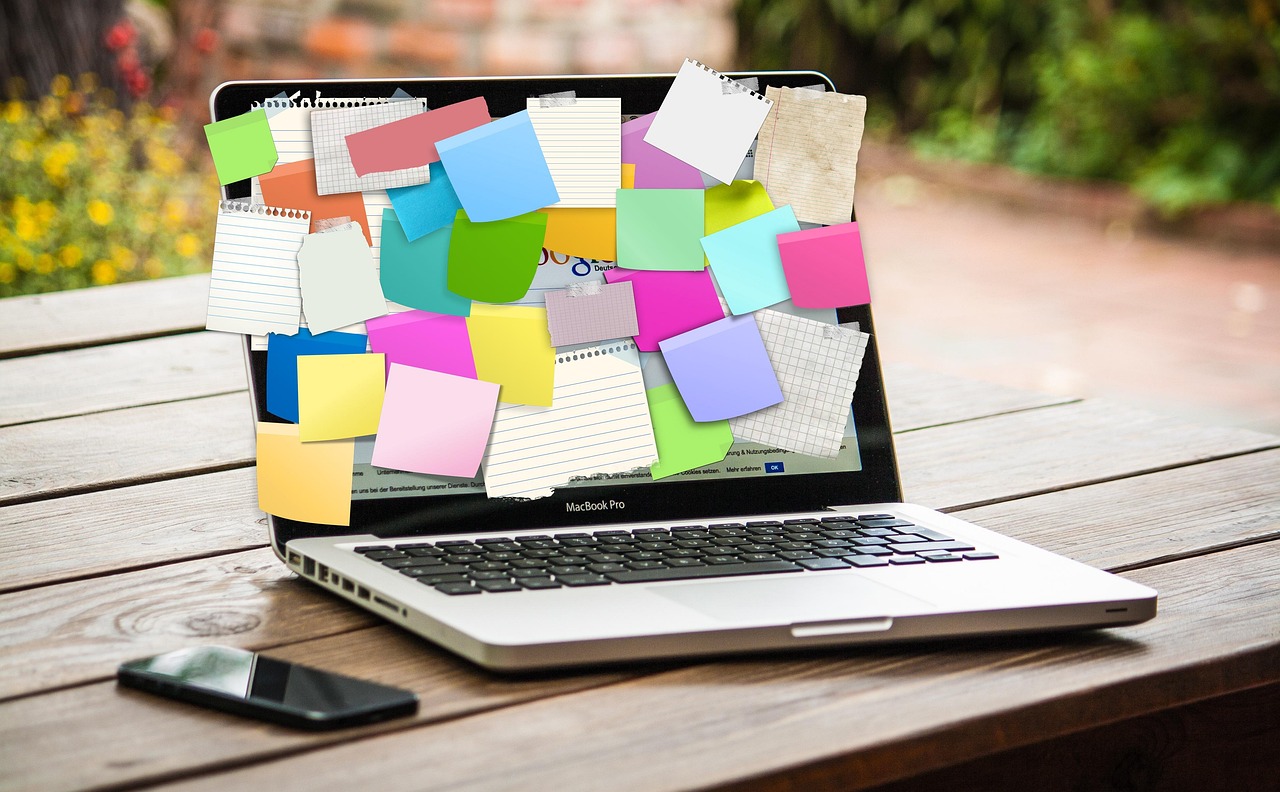
Walk into any office or home study, and you will inevitably find it: a faint, slightly tacky rectangle of discoloration on the edge of a monitor, a desk surface, or a bookshelf. It is the adhesive residue of a sticky note long since removed. We tend to peel off the paper, crumple it, and toss it away, feeling a sense of accomplishment for finishing a task. Yet, we leave behind this physical ghost. Why do we tolerate this sticky smudge? It is the archaeology of our daily friction, a tangible record of a commitment that we made, fulfilled, and then discarded.
These residues are the silent cartography of our labor. They represent the tiny, granular promises we make to ourselves: 'Call the dentist,' 'Buy milk,' 'Submit the quarterly report.' When the paper goes, the memory often fades with it, but the shadow remains. It’s a strange habit—we are fastidious about our digital workspaces, yet we allow our physical environments to be littered with the chemical remnants of our past to-do lists.
The Psychology of the Adhesive Anchor
Why don't we wipe them clean? There is a comfort in the residue. It acts as an anchor in a world that is increasingly ephemeral. Our work lives have shifted into the cloud, into Slack channels, and into task management software that refreshes and deletes with ruthless efficiency. The sticky note, conversely, is a relic of the physical world. Even when the paper is gone, the adhesive patch serves as a reminder that we were here, we were working, and we were productive.
- Validation of effort: The residue proves a task was acknowledged.
- Habitual inertia: We become blind to the marks we create ourselves.
- Temporal markers: They track the rhythm of our desk-bound lives.
We see these marks and unconsciously register them as 'finished.' They become part of the background noise of our lives, much like a scratch on a hardwood floor or a sun-faded patch on a rug. We have mapped our professional existence onto our furniture, one note at a time.
The Ritual of the Clean Slate
There is, however, a profound satisfaction in the act of cleaning them away. When we finally take a bit of rubbing alcohol or a soft eraser to that sticky rectangle, we are doing more than just cleaning a desk; we are performing a ritual of closure. It is an acknowledgment that the cycle of work is complete. Most of us go months, sometimes years, without doing this, allowing our desks to become a palimpsest of abandoned projects and forgotten errands.
The residue of the sticky note is the physical manifestation of our cognitive load—a reminder that every 'done' task leaves a trace on our environment.
When you clear the residue, you aren't just removing glue; you are clearing the mental space for new intentions. It is a reset button for the mind. If your desk is covered in these ghosts, you might find that your focus is scattered. Every mark is a tiny, unconscious distraction—a visual 'tab' that you never quite closed.
The Archaeology of Efficiency
Ultimately, these marks tell the story of how we work. We are a species that loves to track our progress, even when we don't realize we are doing it. We use the physical space around us to externalize our memory. The sticky note is perhaps the most honest tool we have: it is fragile, temporary, and prone to losing its grip. It perfectly mirrors the nature of our modern work, which often feels like it is constantly peeling away from the surface of our lives.
Consider what your desk residue says about you. Are they clustered around your computer, representing high-frequency digital tasks? Are they on the wall, marking long-term goals? Each one is a data point in the autobiography of your productivity. By understanding why we keep these marks, we gain insight into our own relationship with labor and memory.
Next time you see that tacky, discolored square on your desk, don’t just ignore it. Treat it as a relic. Take a moment to acknowledge the work it represented, and then, if you feel ready, wipe it away to make room for what comes next.