The Physical Media Preservation Audit: Protecting Your Collection from Decay
Stop watching your favorite albums and films slowly degrade. Learn the systematic process for auditing, stabilizing, and preserving your physical media collection for decades.

The Case for Proactive Preservation
In an era of streaming instability and digital licensing shifts, physical media—vinyl, CDs, Blu-rays, and even cassette tapes—remains the only way to truly own your culture. However, physical items are subject to entropy. Heat, humidity, light, and neglect can render a pristine record unplayable or a film disc prone to disc rot. A preservation audit is not about hoarding; it is about ensuring that the media you cherish remains accessible and functional for the rest of your life.
By treating your collection as an active asset, you shift from a passive collector to a steward. This process requires a systematic approach to environmental control and physical handling that prevents damage before it happens. Whether you have fifty items or five hundred, the principles of chemistry and physics remain the same: stability is the enemy of decay.
Phase 1: Environmental Stabilization
The most common killer of physical media is not usage, but the environment. Most media collections are kept in living rooms or basements, which are often the worst places for long-term storage. The ideal environment for physical media is consistently cool and dry, with minimal fluctuations in temperature and humidity.
- Avoid exterior walls: These fluctuate in temperature throughout the day and night, leading to expansion and contraction of materials.
- Maintain a stable temperature: Keep your collection between 60°F and 70°F (15°C–21°C).
- Control humidity: Aim for 35% to 45% relative humidity. Anything above 50% promotes mold growth on paper sleeves and adhesive breakdown.
- Minimize UV exposure: Never store media in direct sunlight. UV rays bleach cover art and can warp plastic cases and vinyl discs over time.
Environmental stability is a cumulative game. A 10-degree temperature shift might not ruin a record today, but doing it every day for a decade will compromise the structural integrity of the vinyl compound.
Phase 2: The Physical Audit and Cleaning
Before you can preserve, you must know what you have. Spend one weekend pulling every item off the shelf. This is your chance to inspect the state of the materials. Check for signs of 'foxing' on paper inserts, mold on the interior of jacket spines, or scratches on discs. If you find dust, do not use household cleaners, which often contain ammonia or harsh solvents that damage optical coatings.
Specific Cleaning Protocols
- For vinyl: Use a dedicated carbon fiber brush before every play and a wet-cleaning vacuum system once per year for deep maintenance.
- For optical discs: Wipe from the center outward in a straight line using a clean, lint-free microfiber cloth. Never wipe in a circular motion, as this creates tiny scratches that cross data tracks.
- For paper sleeves: Replace any inner sleeve that shows signs of acidity or yellowing with high-quality, archival-grade anti-static sleeves.
Phase 3: The Storage Hierarchy
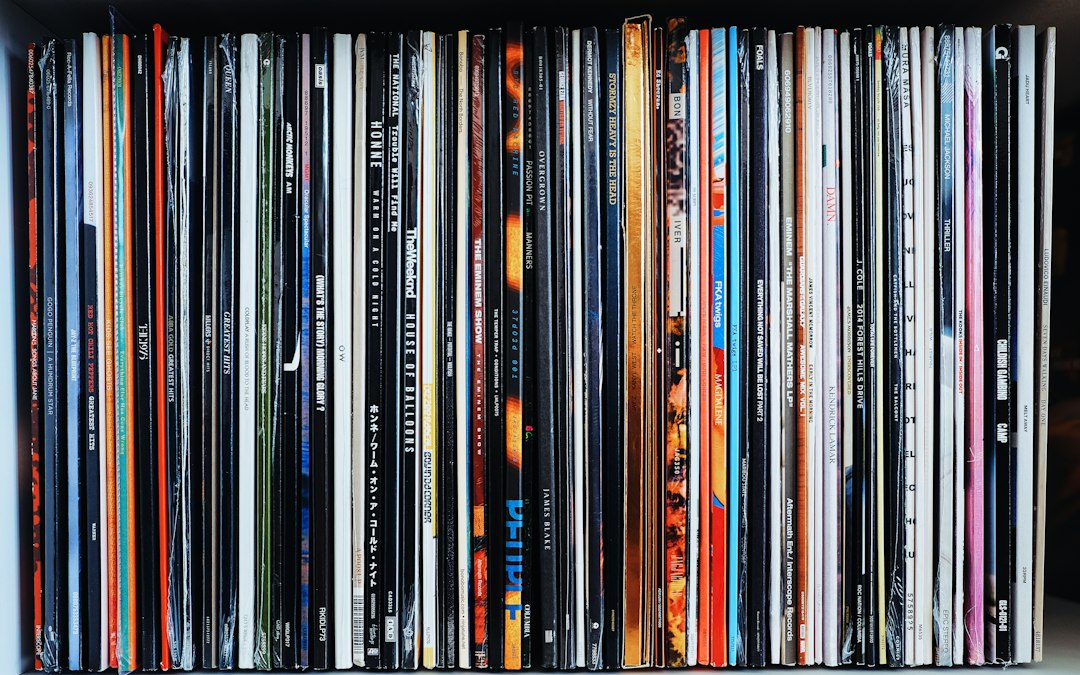
How you store your media matters as much as where you store it. Gravity is a constant force, and poor storage geometry leads to permanent damage. Vinyl records must always be stored vertically. Storing them at an angle or flat causes the weight of the discs to press down on the bottom edge, leading to warping or 'ring wear' on the cover art. For CDs and Blu-rays, ensure they are stored in cases that support the disc by the center hub, never by the data surface.
Consider the 'first-in, first-out' logic for high-usage items. If you find yourself accessing a specific film or album frequently, ensure it is in the easiest-to-reach location to prevent accidental drops or mishandling while reaching for items at the back of the shelf. Always group by medium type, as the chemical off-gassing of some plastics can negatively affect others if they are crammed into the same tight container.
Common Mistakes and Final Tips
One of the biggest mistakes collectors make is using cheap, adhesive-based storage solutions. Avoid anything that uses PVC sleeves if possible, as the plasticizers can leach out over time, creating a cloudy film on your records known as 'haze.' Instead, opt for polypropylene or polyethylene sleeves, which are chemically inert and safe for long-term contact.
Finally, keep a simple digital inventory. You do not need complex database software; a basic spreadsheet tracking the condition of your items and the last date they were cleaned is sufficient. This audit should be performed annually. By dedicating one weekend a year to this process, you transform your collection from a pile of stuff into a curated archive that will outlive your playback devices.