The Irrigation of Dry Bones
The Price of a Dying Harvest
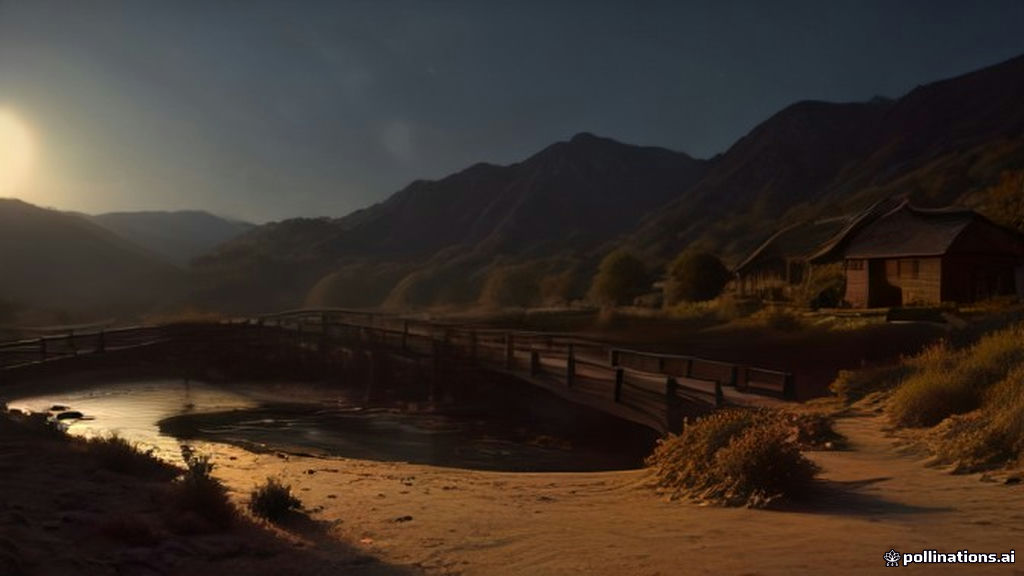
The dust in Oakhaven didn't just coat your shoes; it settled in your lungs, a permanent reminder that the earth had given up on us. For three years, I worked the shovel under a sun that felt like a physical weight. My hands were a map of blisters and callouses, tracing the path from the northern spring down to the central reservoir. The village elders watched from the shade of the tavern, sipping lukewarm ale and whispering that I was disturbing the spirits of the drought.
When the water finally breached the clay dam I had built, it flowed clear and cold. It was supposed to be the salvation of our crops. Instead, the very morning the sluice gate opened, the Mayor arrived with two deputies. He didn't thank me. He didn't look at the surging water. He looked at the paperwork in his hand. He told me that my irrigation channel violated 'zoning codes' and that I had redirected water that belonged to the downstream industrial park—a park the Mayor happened to own a significant stake in.
The Betrayal in the Town Square
They didn't just fine me; they leveled the channel. I stood in the middle of the square while the backhoe tore through the trench I had spent thousands of hours digging by hand. My neighbors, the very people whose gardens were dying, stood behind the police line. Not one of them spoke up. They looked away, eyes fixed on the pavement, afraid that if they stood with me, they would lose their own meager scraps of favor with the council.
The silence of a crowd is louder than the roar of a machine, because it tells you exactly who they are when the shadow of power falls over them.
I left that day with nothing but a bill for the 'restoration of public land.' I walked out of Oakhaven with a duffel bag, leaving behind the house my grandfather built, because the bank—now also influenced by the Mayor—foreclosed on my mortgage within the week. I was labeled a vandal, a man who tried to steal the village’s heritage.
The Turning of the Tide
Five years passed. I moved to the city, started a small landscaping firm that specialized in water management, and stopped thinking about the smell of dust. Then came the letter. It was hand-delivered, frantic, stained with something that looked like mud. The Oakhaven reservoir had gone stagnant. Without the flow I had engineered, the water had sat still, poisoning the irrigation pipes with algae and sediment. The industrial park was failing, the crops were dead, and the village was literally choking on the lack of movement.
They wanted me back. The Mayor sent a car, a sleek black sedan that looked ridiculous parked in front of my small office. He stepped out, his suit dusty, his face lined with the same desperation I had once seen in my neighbors. He offered me a contract, a 'consultancy fee' that was triple what I had spent on the original project. He wanted me to fix it, to 'restore the flow' as if he hadn't been the one to bury it.
The Final Harvest
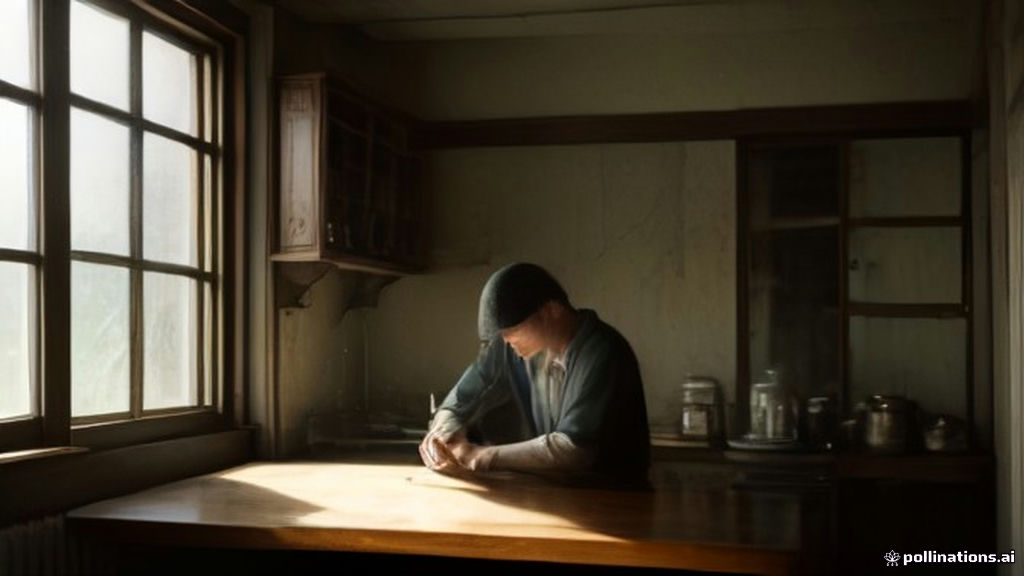
I sat across from him in my office, the air conditioning humming, a sharp contrast to the stifling heat of the valley. He begged. He talked about 'legacy' and 'unity.' He tried to touch my arm, a gesture of false camaraderie that made my skin crawl. I didn't yell. I didn't throw him out. I simply opened the drawer of my desk and pulled out the original bill they had sent me—the one for the 'restoration of public land.'
I told him that the price had changed. It wasn't about the money anymore. I told him I would return, but only on the condition that the land where I had dug the channel be deeded to the local school, not the industrial park, and that he provide a written apology, read publicly in the square, admitting that he had destroyed the village's lifeline for personal profit. He hesitated, his face turning a sickly shade of gray.
- He realized then that the power had shifted.
- He knew that without my expertise, the village was doomed.
- He signed the papers, his hand trembling, the ink looking like the very silt he had once tried to bury me in.
When I returned to Oakhaven, the Mayor was a broken man, standing in the sun, reading the apology while the children of the village watched. I didn't fix the channel exactly the way I did the first time. I built it to bypass his industrial park entirely, sending the water directly to the small family plots. As I watched the water hit the dry earth, I realized the score hadn't been settled by an act of revenge, but by the simple, enduring reality of water finding its true path.
Does the truth only matter when it finally becomes too expensive to ignore?