The Local Light Pollution Mitigation Protocol: Reclaiming Your Night Sky
A practical, step-by-step guide to reducing artificial light spill from your property, helping you restore natural darkness and enjoy the cosmos.
Why Reclaiming Darkness Matters
In our modern landscape, excessive artificial light does more than just hide the stars; it disrupts circadian rhythms, confuses migratory birds, and creates a 'sky glow' that obscures the majesty of the universe. Light pollution is essentially wasted energy, light that isn't doing a useful job. By auditing your property's light footprint, you can save money, support local ecology, and turn your backyard into a personal observatory. This protocol is designed to help you reclaim the night.
Step 1: The Nighttime Light Leak Audit
Start by conducting a visual audit of your property after dark. Walk around your home with a checklist. Look for lights that are 'unshielded'—fixtures that throw light upward or horizontally into the eyes of neighbors or into the sky. A good rule of thumb is the 'Line of Sight' test: if you can see the source of the bulb from a distance, it is likely contributing to light pollution. Take photos of these sources to identify which fixtures need attention.
Step 2: Shielding and Directionality
The most effective fix for existing fixtures is shielding. If you have a floodlight, install a 'hood' or 'glare shield' that forces the light downward. The goal is to ensure that no light is emitted above the horizontal plane of the fixture. If you are replacing fixtures, look for 'Full Cut-off' certification. These fixtures are engineered to keep light strictly on the ground where it is needed, preventing the light dome effect that washes out the stars.
The goal of exterior lighting should be to illuminate the ground, not the air. A well-designed light fixture is invisible from a distance.
Step 3: Color Temperature Calibration
Not all light is created equal. High-intensity blue-rich light (often found in 5000K+ LED bulbs) scatters more efficiently in the atmosphere, making it the primary culprit in sky glow. It is also more disruptive to human sleep patterns and nocturnal wildlife. Swap your outdoor bulbs for 'Warm White' or 'Amber' LEDs, ideally 3000K or lower. These warmer tones provide better contrast, are less harsh on the eyes, and have a significantly smaller impact on the night sky.
Step 4: Smart Control and Automation
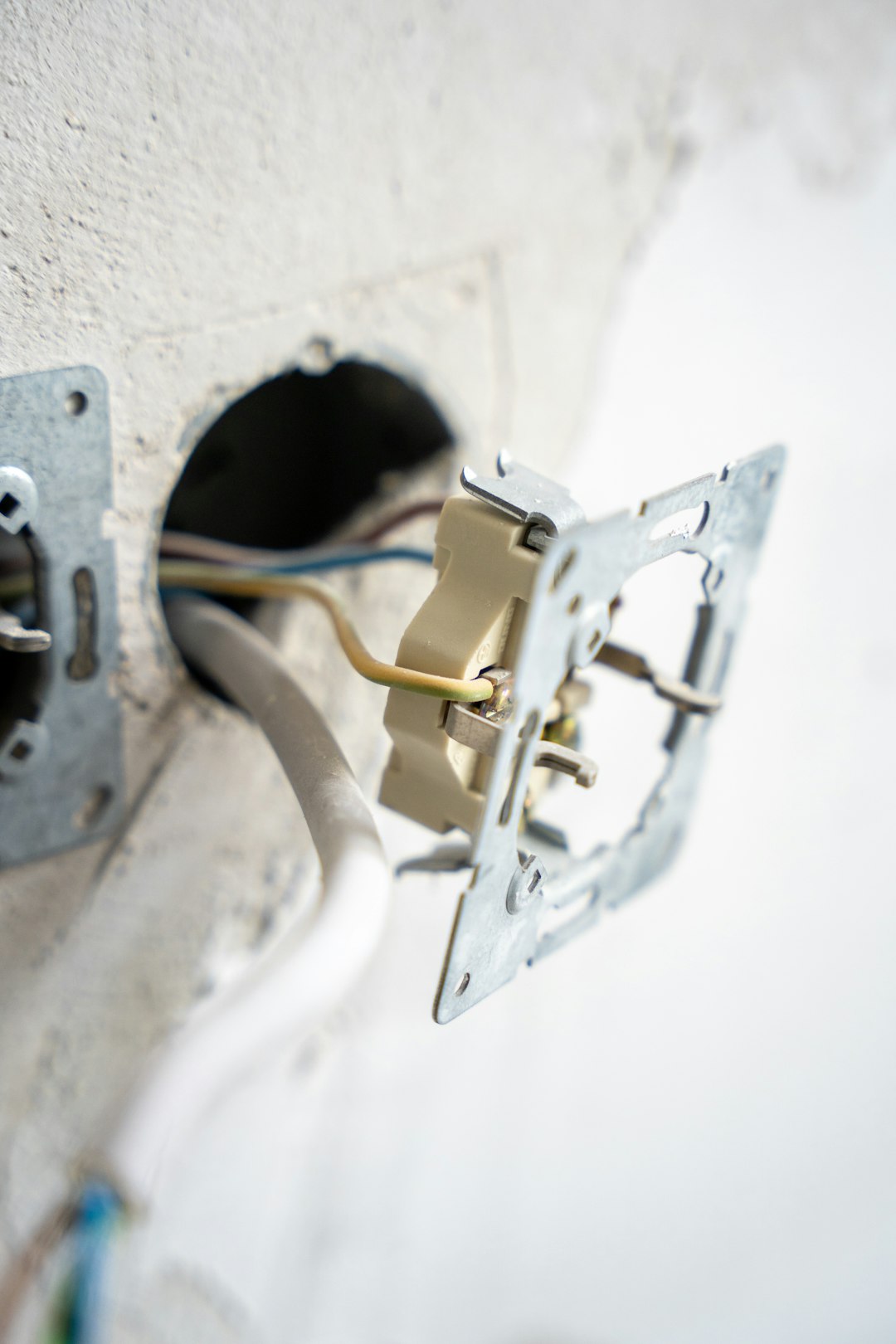
The best light is no light at all. Install motion sensors, timers, or smart switches to ensure your exterior lighting is only active when needed. A motion-activated light provides security without the need for 24/7 illumination. If you have decorative landscape lighting, put it on a timer that turns off by 10:00 PM. This simple change reduces your energy bill and significantly lowers your household's light footprint.
By following these four steps, you contribute to a larger movement of preserving the night sky for future generations. When you dim your own lights, you aren't just saving electricity; you are participating in a quiet act of environmental stewardship that allows the stars to emerge once again. Start small, perhaps with just your brightest floodlight, and watch as your local view of the cosmos improves.