The Clockmaker’s Final Cogs
The Inheritance of Scraps
When my father died, the air in the living room tasted like stale tobacco and cold disappointment. My brother, Elias, and my sister, Clara, didn't even wait for the funeral flowers to wilt before they started counting the floorboards. They decided the house in the valley and the antique clock shop were theirs, as I was the 'unstable' one who had spent years caring for Father while they lived in the city, chasing promotions and designer labels. They handed me a small, dust-caked wooden crate from the workbench and told me, with tight, rehearsed smiles, that I was welcome to the 'junk' inside.
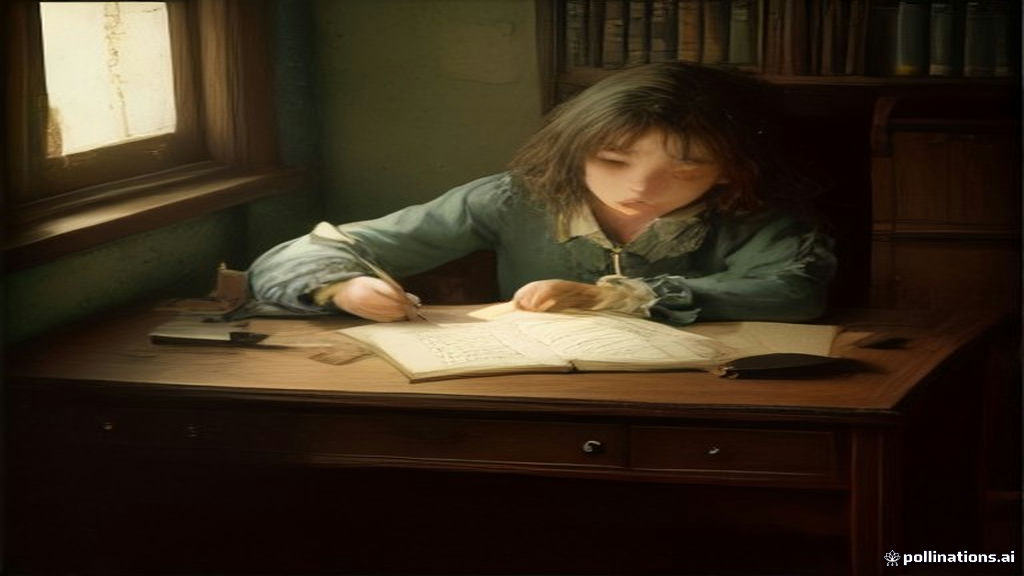
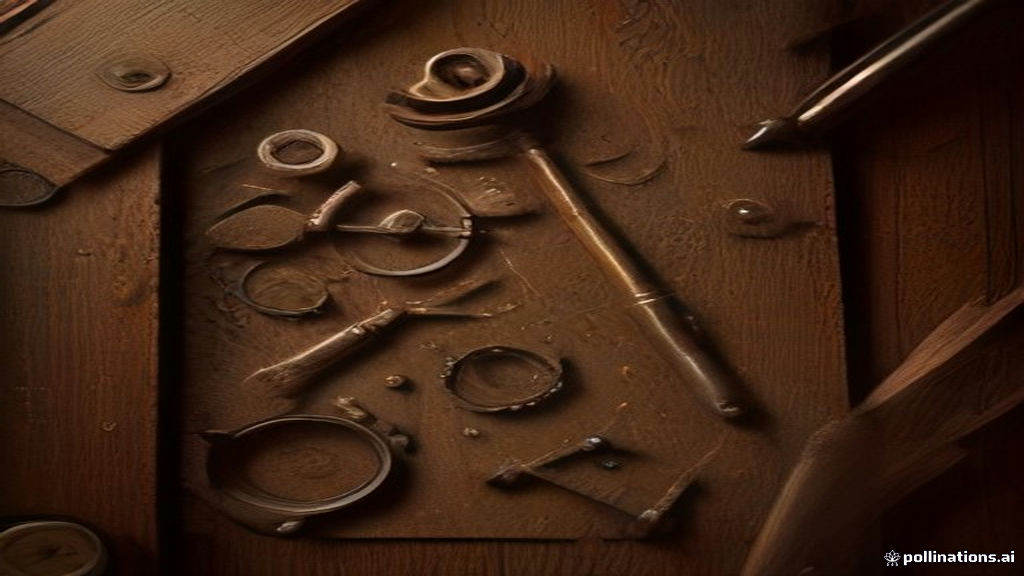
I remember the weight of that crate. It was heavy, not with gold, but with the debris of a lifetime spent fixing things that refused to tick. I moved into a studio apartment above a bakery, the smell of yeast clinging to my clothes, while they held gala dinners in the house that had been in our family for four generations. I spent my nights under a dim lamp, sorting through those broken springs, rusted gears, and shattered glass faces, wondering why Father had left me this particular burden.
The Silent Precision
For three years, I lived in the shadow of their success. They sold the shop to a developer who promised to turn it into a sterile coffee franchise, and they gutted the house to make room for modern 'minimalist' aesthetics. Every time I saw them, they looked right through me, as if my very existence reminded them of a debt they had chosen to ignore. I didn't say a word. I didn't beg for my share. I simply sat at my workbench, cleaning the grime off a single, intricate escapement mechanism that I had found buried at the bottom of the crate.
It wasn't just a part; it was the heart of the Grandmaster Chronometer, a legendary piece Father had spoken of only in whispers. The rest of the clock had been missing for decades. The components in my crate were not junk—they were the blueprints for a legacy. I spent months sourcing rare metals and hand-filing pins, my fingers calloused and bleeding, until I understood the secret. Father hadn't left me the business; he had left me the mechanism that controlled the town’s water rights, a legal loophole etched into the very design of the clock's internal timer.
The clock doesn't just measure time; it measures the value of the ground beneath us. If you hold the anchor, you hold the tide.
The Turning of the Gear
The developer hit a snag. The town council discovered an ancient clause stating that the water rights for the entire valley were tied to the operation of the Grandmaster Chronometer. Without it, the house was just a sinking foundation on dry land. Elias and Clara panicked. Their investments were tied to the renovation, and they were bleeding money. They came to my studio one rainy Tuesday, their expensive coats smelling of damp wool and desperation. They didn't apologize; they demanded I hand over whatever I had that could fix the 'problem' with the property deed.
I watched them pacing my tiny floor, their faces tight with the same greed that had pushed me out of my home. I didn't shout. I didn't gloat. I simply pointed to the clock on my wall—the one that had been ticking perfectly for weeks, its rhythm echoing through the room like a heartbeat. I told them that the clock was already wound, and the law was already in motion. They looked at the gears, then at me, finally seeing that the person they discarded was the only one who held the key to their salvation.
The Final Tally
I didn't sell them the mechanism. I bought the house back from them for a pittance, the exact amount they had originally cheated me out of. They left with nothing but their pride, and even that looked frayed around the edges. I moved back into the valley, not to live in the past, but to ensure that the clock remained in the hands of someone who understood that time, and justice, are best served with patience.
People ask me how I knew they would come back. I tell them it’s simple: those who build their lives on stolen parts will eventually find that their entire structure has no heart to keep it beating. I spend my days now in the workshop, not fixing broken things for profit, but keeping the rhythm of the valley steady. I don't miss the city, and I certainly don't miss the people who thought that being 'stable' meant being silent while they took everything. I have the clock, I have the house, and most importantly, I have the time to watch them realize exactly what they lost.
Is there any price high enough to buy back your integrity once you have traded it for a house of cards?