The Local Market Foraging Protocol: Mastering Authentic Travel Through Food
The Philosophy of the Market Foraging Protocol
Most travelers treat grocery shopping as a chore, a necessary pitfall to avoid starvation between restaurant meals. However, when you visit a new city, the local market is the most honest representation of its culture, climate, and geography. The Local Market Foraging Protocol is a systematic approach to navigating these spaces, allowing you to bypass the standard supermarket experience and immerse yourself in the culinary heartbeat of your destination. By treating the market as a primary activity rather than a secondary errand, you gain access to ingredients, traditions, and interactions that are physically impossible to find in a restaurant setting.
Phase 1: The Pre-Market Intelligence Gathering
Before stepping foot in a market, you must understand its rhythm. Markets are not static; they are living, breathing entities with specific peak hours and seasonal cycles. Use a map-based search to identify the 'Mercat' or 'Marché' closest to your accommodation, but look for the one that has at least 50 Google reviews or is mentioned on local food blogs. Avoid tourist-centric food halls that sell pre-packaged souvenirs.
- Identify the 'Market Day': Many traditional markets only host specific vendors on Tuesday or Saturday mornings.
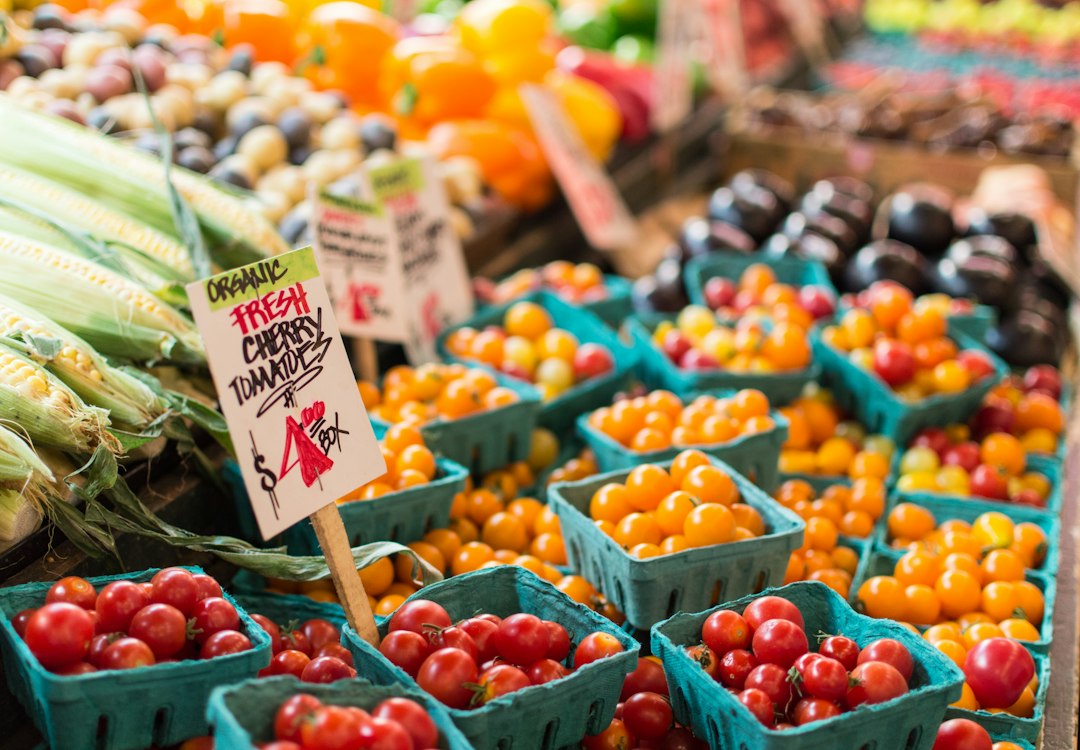
- Check the seasonality: Research what is currently being harvested in that specific region. If you are in the Mediterranean in July, you should be hunting for stone fruits and heirloom tomatoes, not imported apples.
- Set a 'Cultural Anchor': Choose one ingredient you've never heard of before. This gives your foraging mission a clear, actionable objective.
Phase 2: The Tactical Foraging Execution
Once you arrive, do not immediately buy the first item that catches your eye. Walk the entire perimeter of the market first to survey the landscape. This 'reconnaissance lap' allows you to compare quality and prices across different stalls. Look for vendors who are serving locals rather than tourists; if you see a line of elderly residents waiting for a specific cheese maker, that is where you should stand.
The best vendors are often those who are willing to offer a small slice of cheese or a piece of fruit for a taste test. If a vendor refuses, move on. The tasting is the bridge between you and the local palate.
When you approach a stall, follow the 'Three-Question Rule': Ask the vendor what they are most proud of today, how they recommend preparing it, and where the farm is located. This creates a rapport that often results in better produce selection and insider tips on how to cook the item.
Phase 3: The Consumption and Integration
The final step of the protocol is the integration of your findings. Do not try to cook an elaborate three-course meal in a cramped rental kitchen. Focus on 'assembly' rather than 'cooking.' Use the fresh bread, local butter, cured meats, and seasonal fruit you have sourced to create a picnic or a light breakfast. This removes the stress of needing a full kitchen setup and allows you to enjoy the ingredients in their purest form.
- Bring your own lightweight, foldable shopping tote to avoid plastic waste.
- Carry a small knife and a few napkins in your day bag.
- Buy only what you can consume in 24 hours to ensure peak freshness and avoid food waste.
Common Pitfalls and How to Avoid Them
The most common mistake is over-buying. When traveling, your appetite is often different than it is at home, and your storage space is limited. Stick to the 'One-Day Rule'—if you cannot eat it by tomorrow, leave it for the next visitor. Another frequent error is ignoring the 'ugly' produce. In local markets, the most delicious, heirloom varieties are often misshapen or bruised, while the perfectly round, shiny items are frequently mass-produced or waxed. Embrace the imperfections; they are almost always a sign of a superior, locally grown product.
By following this protocol, you transform the mundane act of grocery shopping into a core pillar of your travel identity. You stop being a passive consumer of tourist services and become an active participant in the local food cycle. The next time you find yourself in a foreign city, skip the overpriced hotel breakfast and head to the market—your palate and your travel memories will thank you.