The Hotel Room Micro-Climate Audit: Mastering Your Environment for Better Sleep
Why Your Hotel Sleep Suffers
We often blame our poor sleep on travel fatigue or the excitement of a new location, but the real culprit is usually the unoptimized micro-climate of your hotel room. Human beings are incredibly sensitive to ambient light, noise, and temperature variations. When you check into a hotel, you are essentially entering a sensory environment designed for aesthetics rather than biological optimization. By spending ten minutes conducting a systematic audit upon arrival, you can transform a sterile room into a sanctuary for deep, restorative rest.
Phase 1: The Light Pollution Sweep
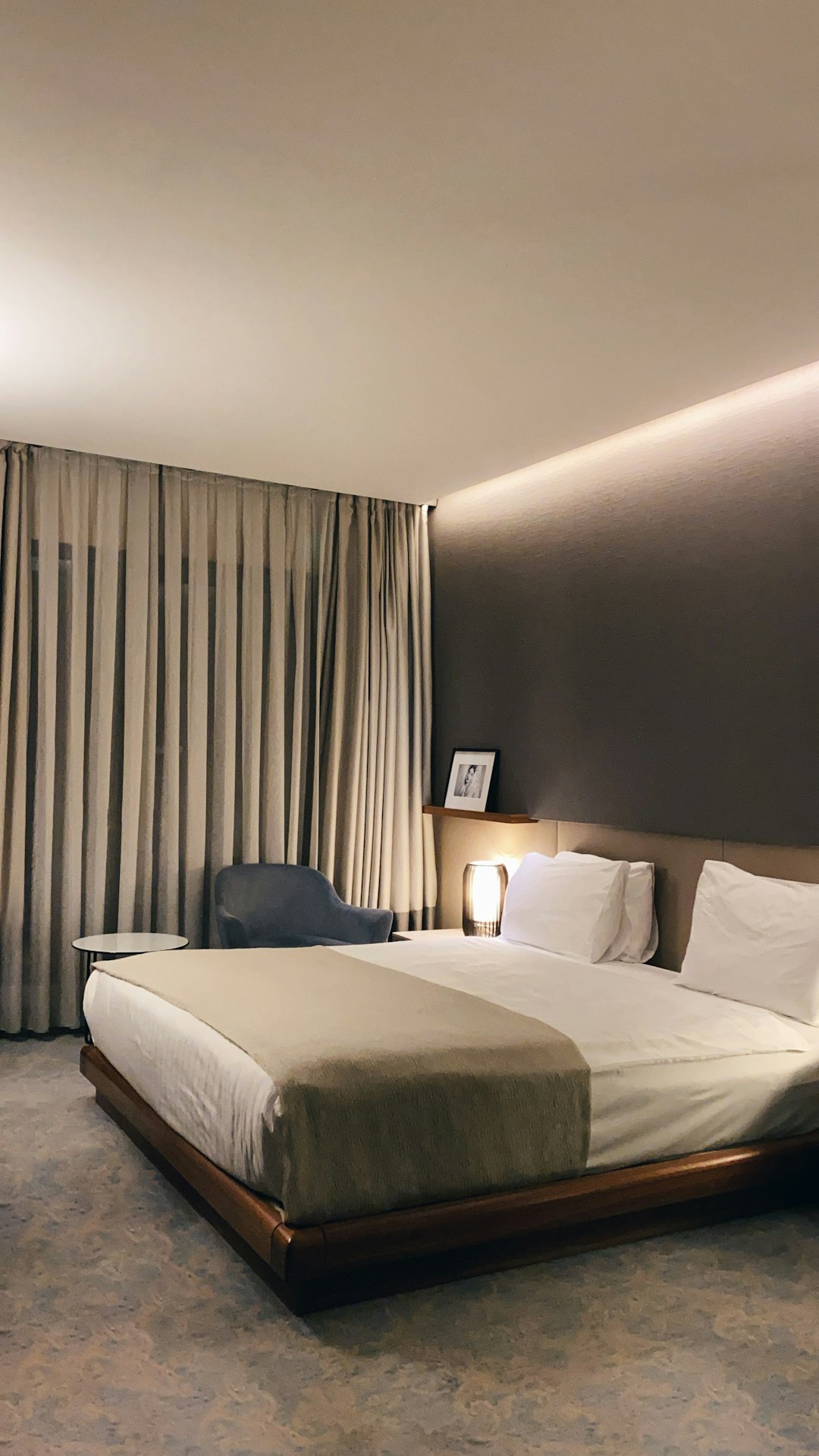
Light is the primary synchronizer of your circadian rhythm. Even small amounts of light from standby LEDs on televisions, alarm clocks, or smoke detectors can disrupt your melatonin production. Start your audit by scanning the room for these 'stealth emitters.' Use a simple piece of painter’s tape or even a folded-over hotel receipt to cover annoying standby lights. If the curtains do not meet in the center, use one of the wooden clothes hangers with clips to clamp the fabric shut, creating a perfect blackout seal.
Phase 2: The Acoustic Buffering Strategy
Sound is the secondary enemy of deep sleep. Hotels are notoriously noisy, with HVAC units, hallway conversations, and elevator bells. Before you settle in, check the seal on your room door. If there is a large gap at the bottom, place a rolled-up towel against it to dampen corridor noise. If the room feels 'echoey,' pull the armchairs toward the center of the room or rearrange soft pillows near the headboard to absorb sound reflections. Download a white noise app or use the room's air conditioner fan set to a constant 'on' position to create a consistent acoustic floor that masks sudden, jarring noises.
Phase 3: Thermal and Air Quality Optimization
Most hotel thermostats are set to a default that is far too warm for optimal sleep, which usually peaks around 65 to 68 degrees Fahrenheit (18-20 degrees Celsius). Upon entry, force the thermostat to this range immediately. Additionally, hotel rooms are often extremely dry due to central ventilation. If the air feels parched, fill the room's ice bucket with water and place it near the vent; the slow evaporation adds essential humidity back into the air. If you are sensitive to synthetic cleaning agents, open the window for five minutes to flush out stagnant air before closing it tight for the night.
The goal of the micro-climate audit is not perfection, but the removal of acute stressors that prevent your nervous system from entering a parasympathetic, sleep-ready state.
Common Mistakes and Pro-Tips
- Mistake: Relying on the hotel alarm clock. Tip: Always use your phone, as hotel alarms are often confusing to set and prone to failure.
- Mistake: Ignoring the duvet cover. Tip: Check the cleanliness of the duvet; if you have sensitive skin, use your own travel sheet or simply remove the duvet and use the top sheet with the throw blanket.
- Mistake: Forgetting the 'Do Not Disturb' sign. Tip: Place it on the door immediately to prevent early morning housekeeping interruptions.
By taking these small, deliberate actions, you reclaim control over your environment. Sleep is the most important element of any successful trip, and by investing just a few minutes in a micro-climate audit, you ensure that you wake up refreshed and ready to engage with your destination rather than fighting off exhaustion.