The Ink of Silent Ledgers
The Cost of Being Invisible
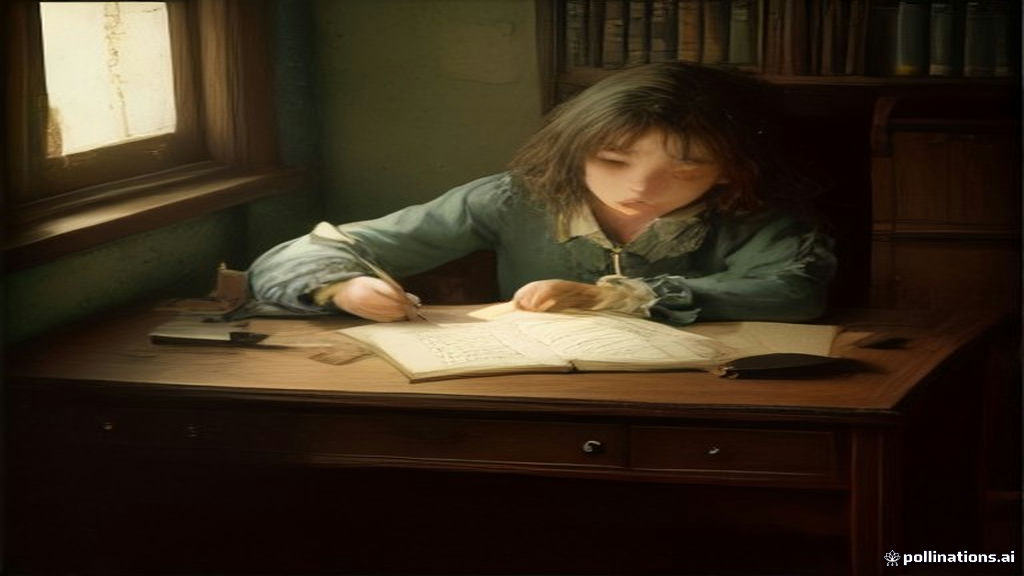
The kitchen table was always covered in receipts, invoices, and bank statements that weren't mine. My brothers sat in the living room, laughing at a flickering television, while I sat under the dim bulb of the pantry, cross-referencing the household expenses against my father’s erratic pension. I was sixteen, and I was the ghost in the house. If the electricity stayed on, it was because I had skipped lunch for a month to pay the bill. If there was meat on the table, it was because I had taken an extra shift at the warehouse behind the school.
When my father passed, the lawyer didn't even look at me. He looked at my brothers, who were already arguing about the car and the silver cutlery. My father’s will was a single, typed page that stripped me of everything. It stated that because I was 'unmarried and unburdened,' I required no inheritance. My brothers were to split the house and the savings, and I was to be responsible for the funeral costs and the clearing of the property. I remember the silence in the room when I asked who would pay for the casket. My older brother, Marcus, just shrugged and looked at his phone. 'You’ve been managing the money for years, kid. Just figure it out like you always do.'
The Weight of the Pen
For the next three years, I lived in the drafty basement of the house we grew up in. I didn't leave because I was weak; I left because I was waiting. I kept the ledgers. Every dollar, every cent, every favor I had called in to keep them afloat was documented in a small, leather-bound notebook. I saw them sell the furniture piece by piece, squandering the money on bad investments and weekend trips, while I worked double shifts at the accounting firm downtown, keeping my head down and my mouth shut.
They treated me like a servant, dropping their laundry at my door or asking me to handle their taxes when the government came knocking. I did it all. I filed their papers perfectly, ensuring they stayed just within the lines of the law, while slowly, quietly, I began to weave a different story into the digital records of their debts. I wasn't stealing money; I was merely ensuring that the reality of their negligence was reflected in the official registers they were too lazy to read.
The truth is not a thing you tell; it is a thing you build, brick by brick, until the wall is too high for the liar to climb.
The Final Audit
The day the tax auditors arrived, the house was quiet. Marcus was out, and my younger brother, Leo, was asleep on the sofa. I sat at the kitchen table, the same one where I had done my homework and calculated their survival for a decade. The lead agent placed a thick folder on the table. It wasn't my doing that they had failed to report the offshore accounts they had tried to set up to hide the remaining inheritance money. That was entirely their greed. I had simply highlighted the inconsistencies in the forms I had 'prepared' for them.
They didn't just lose the house; they lost their reputation. When they were faced with the reality of their fiscal ruin, they came to me, begging for the 'old records' that would clear their names. Marcus grabbed my arm, his face twisted in a desperate sneer. 'Fix this! You always fix this. Where are the receipts?' I stood up and walked to the fireplace, holding the small leather notebook I had kept for all those years. I tossed it into the flames without a word. The look on their faces—a mixture of confusion and dawning, cold terror—was the only inheritance I ever needed.
The Last Entry
They moved out a week later, leaving behind only the dust and the echoes of their arrogance. I kept the house; the bank realized the property taxes had been paid exclusively from my account for years, and the title was transferred to me in the settlement. I sit in the living room now, the one they weren't allowed to enter, and I finally have the silence I earned.
Occasionally, I get a call from an unknown number. It’s usually Marcus, his voice thin and cracking, asking if I have any 'spare' money or a place to stay. I don't answer. I just listen to the dial tone, feeling the weight of the pen in my hand, and imagine the ink drying on a ledger that no longer requires me to account for anyone but myself.
Do you ever wonder what would happen if the people who took you for granted suddenly found themselves with no one left to blame but their own reflections?