The Home Provenance Documentary Protocol: Uncovering Your Property's Past
Why Investigating Your Home's Past Matters
Your home is more than just a shelter; it is a living artifact that has witnessed decades of human life. Investigating the provenance of your home allows you to understand the architectural evolution, the social history of those who lived there before, and even the technical quirks that might explain why certain renovations were done in specific ways. This process transforms your living space from a mere asset into a meaningful chapter of local history.
Step 1: The Documentary Paper Trail
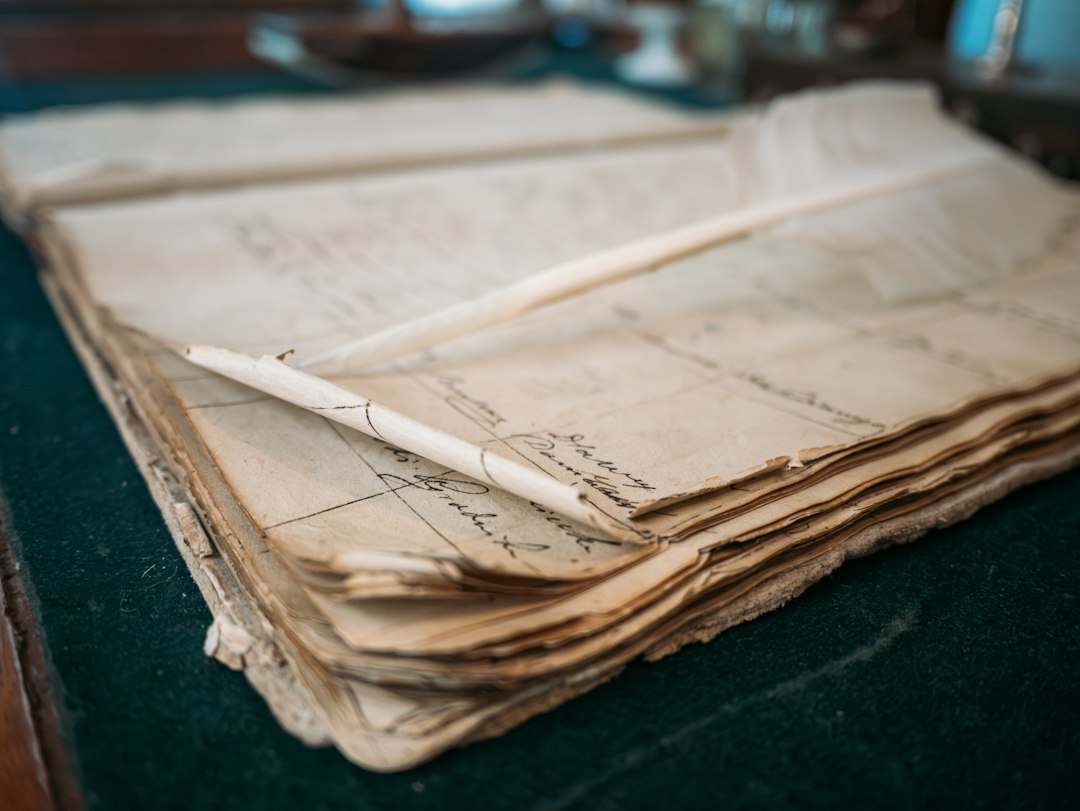
Begin by gathering every scrap of paper you possess regarding your property. Search for original deeds, old utility bills, property tax records, and even blueprints. If you do not have these, visit your local land registry office or town hall. These documents act as the skeletal structure of your house’s timeline, providing names of previous owners, construction dates, and original building permits.
- Land Registry: The primary source for ownership history and legal boundaries.
- Historical Societies: Many local organizations keep archives of photos from specific neighborhoods.
- Newspaper Archives: Search your address in digital newspaper databases to find mentions of past residents or major events.
Tracing the history of your home is akin to reading a detective novel where you are the investigator, and the characters are the people who called your hallways 'home' long before you arrived.
Step 2: Analyzing Physical Evidence
Observe the physical fabric of your home with a critical eye. Beneath floorboards, inside wall cavities, or behind old wallpaper, you might find 'time capsules'—items dropped by previous occupants like old coins, newspapers, or hand-written notes. Examine the layers of paint or wallpaper; they often reflect the decorative trends of specific decades, providing a visual timeline of your home’s aesthetic evolution.
Step 3: Collecting Oral Histories
If possible, reach out to long-term neighbors. Their collective memory is an invaluable, non-digitized archive. They can offer context that no official document can, such as stories about the original layout of the garden, previous owners' habits, or how the neighborhood changed over time. Be respectful of their privacy, but express genuine curiosity about the shared history of the area.
Common Mistakes and Pro-Tips
A common mistake is assuming that only very old homes have a history. Even a house built in the late 20th century has a story involving the development of your area. Avoid the urge to discard 'useless' papers; instead, create a dedicated 'Home Archive' folder. Treat this as your home’s passport, keeping it updated as you make your own history within its walls.
Documenting the provenance of your home is not just an academic exercise; it is a way to anchor yourself in your environment. By understanding the layers of the past, you gain a newfound appreciation for the present, turning your house into a true sanctuary of history.