The Physical Media Metadata Protocol: Organizing Your Collection
Why Your Collection Needs a Metadata Protocol
We often treat physical media—vinyl records, CDs, Blu-rays, and cassettes—as mere background decor. However, as a collection grows, it inevitably hits a threshold where finding a specific album or film becomes a chore rather than a joy. This guide introduces a metadata-first approach to physical media, treating your living room shelf with the same organizational rigor as a professional archive.
The goal is to bridge the gap between the tactile nature of physical media and the efficiency of digital search. By implementing a consistent tagging system, you stop guessing where things are and start engaging with your collection as a curated library of your personal history and taste.
Step 1: The Taxonomy Framework
Before you start organizing, you need a taxonomy. Avoid the trap of over-complicating it with Dewey Decimal-style systems unless you have thousands of items. Instead, focus on a hybrid system of primary and secondary tags. Your primary tag should be the medium (Vinyl, CD, Film), and your secondary tags should be functional.
- Chronological: Arrange by decade or release year to track artistic evolution.
- Mood-based: Create sections like 'Sunday Morning,' 'High Energy,' or 'Late Night Cinema.'
- Alphabetical: The standard, but keep it within genres to avoid a massive, unmanageable block.
The most effective organization system is one that aligns with your natural behavior. If you always look for a movie based on the director, organize by director, not by title.
Step 2: Implementing the Metadata Tagging System
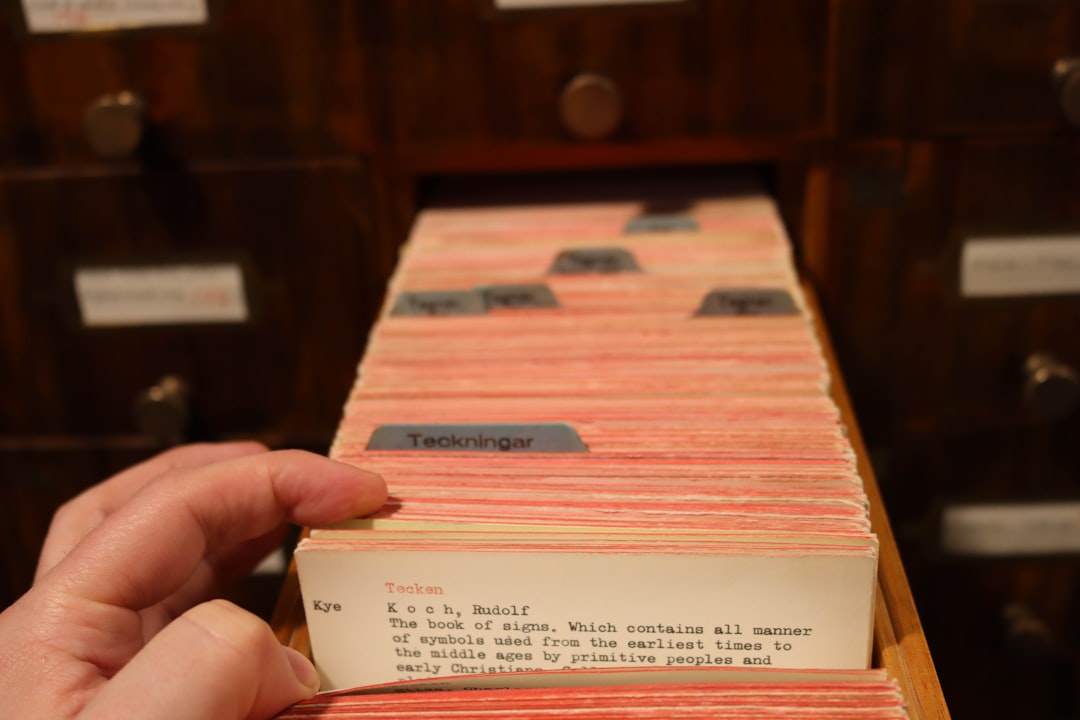
Metadata in a physical context means assigning attributes to an object that aren't immediately obvious on the spine. Create a lightweight index—a simple spreadsheet or a physical card index—that maps your collection. For every item, record the following: Title, Artist/Director, Release Year, Condition (1-10 scale), and a 'Discovery Date' (when you acquired it).
Specific details matter. If you have a special edition box set or a rare pressing, add a 'Notes' field. This allows you to track not just what you own, but the context of the acquisition. It turns your collection from a list of items into a narrative of your cultural consumption over the years.
Step 3: Maintenance and The Audit Cycle
A collection is a living entity. If you don't audit it, it drifts back into chaos. Schedule a quarterly 'Shelf Scrub.' During this time, re-verify your metadata against your physical items. If you find a record that hasn't been touched in three years, consider if it still belongs in your active library or if it should be rotated into storage or sold.
Common mistakes include trying to catalog everything in one weekend. Start with your 'top 50' items. This builds the habit without the burnout. Remember, the objective is to reduce the friction between you and your media. When the system is working, you will find yourself listening to more music and watching more films because the barrier to access has been removed.