Mastering the Art of Scent-Scaping: A Practical Guide
The Science of Sensory Design
The scent of your home is the first thing that greets you after a long day and the most lasting impression you leave on guests. While we often focus on furniture and lighting, our sense of smell is the most powerful trigger for memory and emotion. Scent-scaping is the intentional practice of using fragrance to define and enhance the mood of different zones in your home.
Unlike masking odors with heavy synthetic sprays, true scent-scaping is about creating a curated olfactory backdrop. It involves layering subtle, natural aromas that complement your lifestyle and the time of year. Avoiding harsh chemicals is vital; focus on high-quality botanical oils, soy candles, and natural reeds to ensure your home feels like a sanctuary rather than a perfumery.
Step 1: Zoning Your Space
Not every room requires the same intensity or type of fragrance. You should treat each area based on its function. Your kitchen, for instance, benefits from crisp, uplifting scents that cut through cooking odors, while your bedroom requires calming, sedative aromas to prepare your mind for rest.
- Living Room: Grounding scents like cedarwood, sandalwood, or warm vanilla.
- Home Office: Stimulating notes like peppermint, bergamot, or lemon to improve focus.
- Bedroom: Soothing florals like lavender, chamomile, or clary sage for relaxation.
- Entryway: Welcoming, neutral scents like linen, white tea, or light citrus.
Your scent profile should be a whisper, not a shout. If you can smell your home from the driveway, the intensity is likely too high. A well-scented room is one that you notice only when you take a conscious breath.
Step 2: Selecting Your Delivery System
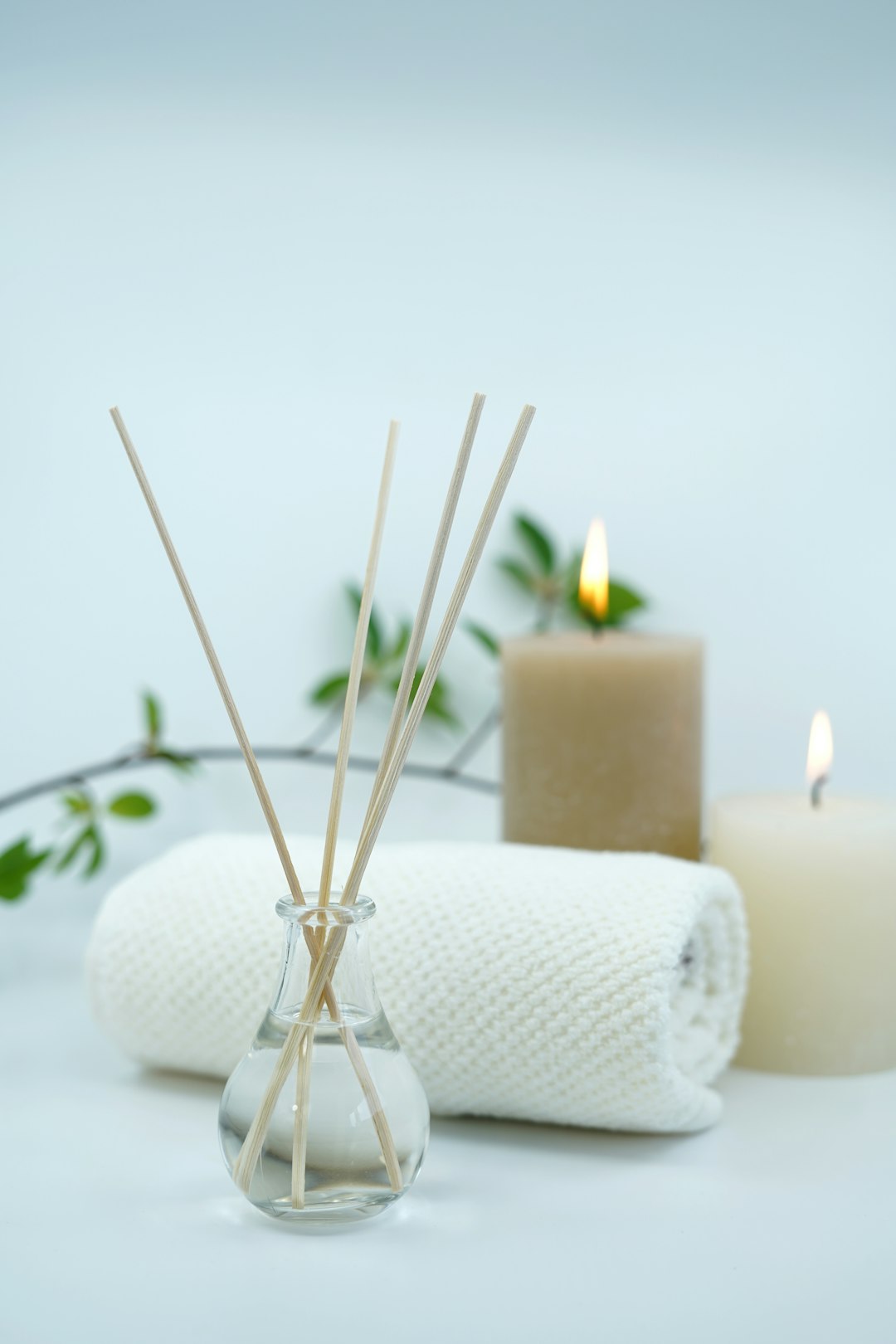
Choosing the right tool is essential for consistency. Ultrasonic diffusers are excellent for larger spaces as they disperse a fine, humidified mist. For smaller areas, reed diffusers provide a passive, constant release of fragrance. If you prefer a ritualistic experience, high-quality soy or coconut wax candles are unmatched for ambiance.
- Ultrasonic Diffusers: Use 3-5 drops of pure essential oil per 100ml of water. Clean the tank weekly to prevent rancid oil buildup.
- Reed Diffusers: Flip your reeds every three days to refresh the scent throw.
- Candles: Always trim the wick to 1/4 inch before lighting to prevent soot and ensure an even burn.
Step 3: Seasonal Rotation
Just as you rotate your wardrobe, your home’s scent profile should shift with the seasons to mirror the outside world and improve your well-being. During winter, look for 'heavier' notes like amber, clove, or cinnamon to create a sense of warmth. As spring approaches, transition to lighter, greener scents like cut grass, jasmine, or neroli.
A common mistake is 'nose blindness,' where you stop noticing a scent after an hour. Instead of adding more oil or lighting more candles, simply step outside for five minutes and return. You will find the scent is still there, perfectly balanced. By rotating your scents monthly, you keep your living space feeling fresh, intentional, and deeply connected to the natural rhythms of the year.