The Household Chemical Inventory Audit: A Practical Guide to Safety and Efficiency
A practical guide to organizing your cleaning supplies, avoiding dangerous chemical reactions, and saving money through a systematic inventory audit.
Why Your Cleaning Cupboard Needs an Audit
In many homes, cleaning supplies accumulate in the dark corners of under-sink cabinets, often forgotten, doubled up, or expired. This clutter is not just an inconvenience; it can be a genuine safety hazard. A household chemical inventory audit allows you to understand exactly what you have, identify expired products that no longer work, and isolate potentially dangerous chemical combinations.
The goal of this audit is to create a safe, streamlined, and efficient system where you know exactly what is in every bottle and its purpose. You will save money by stopping the cycle of buying duplicates and protect your home by ensuring that no volatile substances are stored in ways that could lead to accidental mixing or degradation of packaging.
Step 1: The Total Extraction and Categorization
Gather every cleaning and chemical product in your home into one place—check the kitchen, laundry room, bathroom, and garage. Lay them out on a clear surface and begin sorting them into logical groups: laundry care, surface cleaners, glass cleaners, floor and furniture maintenance, and specialized heavy-duty chemicals.
- Check expiration dates. Many cleaning agents, especially disinfectants and those containing active enzymes, lose their potency over time.
- Look for damaged containers. If a bottle shows signs of bulging, cracking, or leaking, transfer it to a new, clearly labeled container immediately or dispose of it safely.
- Assess usage. If you have three bottles of a product you haven't touched in a year, it is time to consolidate or donate them.
Step 2: Safety Check and Incompatibility Screening
This is the most critical stage of your audit. Never mix different chemical products. For example, mixing bleach with ammonia-based cleaners creates toxic chloramine gas, which is life-threatening. Similarly, mixing bleach with acids (like some toilet bowl cleaners) releases chlorine gas.
Always read the ingredient labels carefully. If a product label warns against mixing with other chemicals or requires specific ventilation, store that item separately, ideally on a lower shelf or in a locked cabinet away from food supplies, children, and pets.
Step 3: Creating a Sustainable Storage System
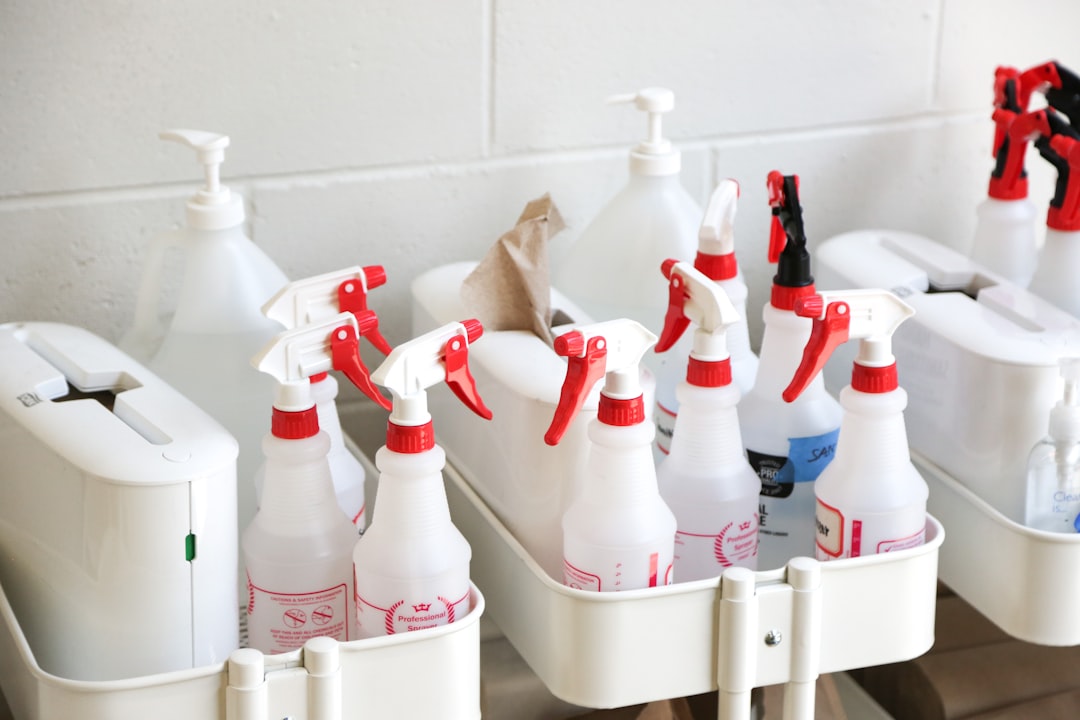
Implement a storage system based on frequency of use and hazard level. Items used daily should be at eye level or easily accessible, while heavy-duty or rarely used items can be moved to higher, less accessible shelves. Use clear plastic bins to group items by function, which prevents them from migrating into a disorganized heap.
- Use uniform bins to group related items (e.g., 'Bathroom,' 'Laundry,' 'Floor Care').
- Label the bins so everyone in the household knows where items belong.
- Keep products in their original packaging. The manufacturer's label contains essential emergency instructions and first aid information that you should never discard.
By conducting this audit twice a year, you maintain a safer environment and reduce the psychological load of managing your home. Over time, you will find that cleaning becomes faster and less stressful because you are no longer searching for the right tool or worrying about the safety of your storage practices. Efficiency is simply the byproduct of a well-maintained system.