The Geometry of the Partially Eaten Cereal Bowl: Why We Leave Our Breakfast Traces
Have you ever looked at a half-finished bowl of cereal and seen a map of your morning? It’s more than just soggy grains; it’s a snapshot of a life in motion.
The Narrative of the Morning Lull
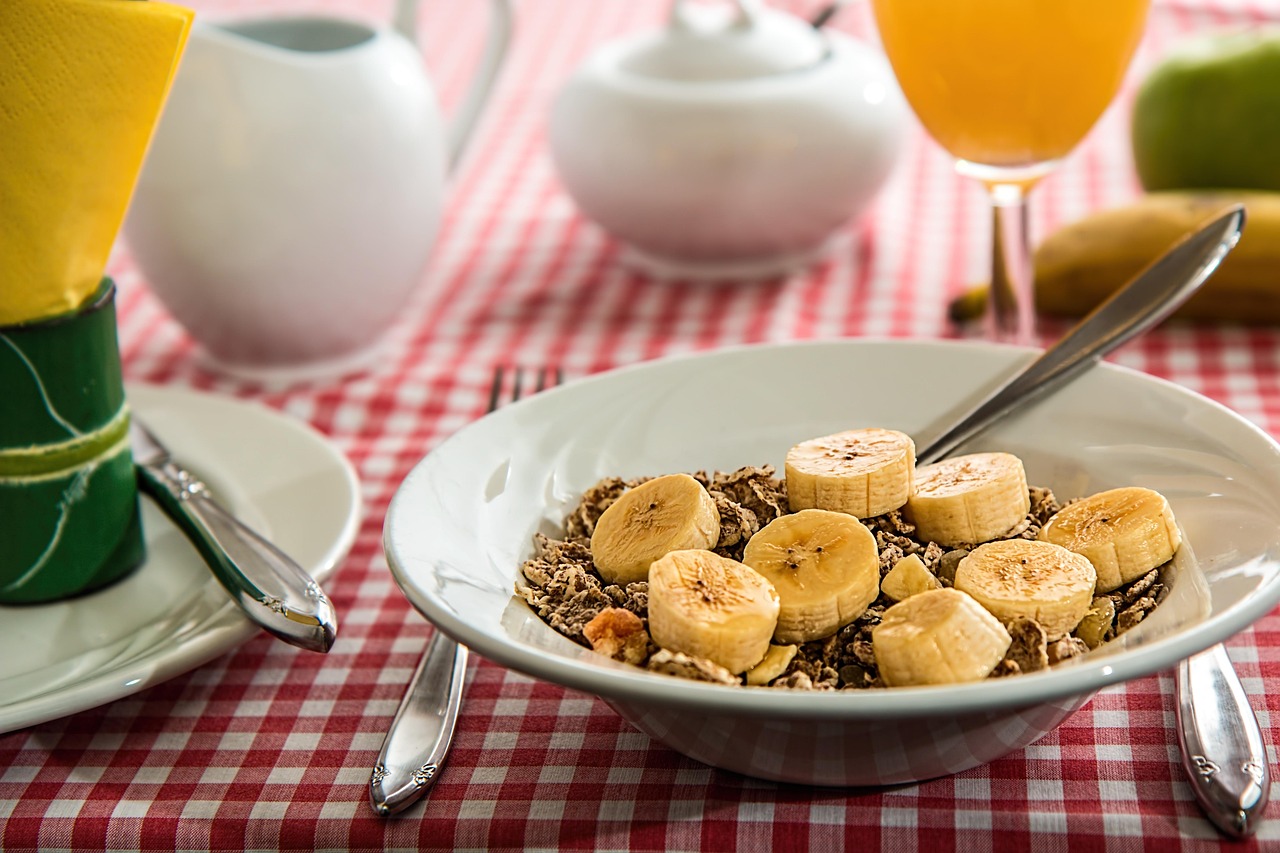
Every morning, as the world struggles into gear, there emerges a quiet, domestic artifact on the kitchen table: the partially eaten bowl of cereal. It is rarely a deliberate choice. It is a byproduct of the modern rush, a physical manifestation of a thought interrupted or a sudden pivot toward the day’s demands. We leave the table, milk still pooling at the bottom, grains softening into a slurry, and in doing so, we leave a trace of who we were in those frantic, early hours.
This bowl is not merely food; it is a timeline. The degree to which the cereal has surrendered its crunch tells the story of how long we sat there. If the flakes are still crisp, we were hurried, perhaps distracted by an email or a sudden realization of the time. If they have become a soft, milky mash, we were lost in thought—or perhaps we were procrastinating, staring into the middle distance, avoiding the inevitable start of the working day.
The Physics of Softening
There is a strange, melancholy beauty in the way cereal interacts with milk. It is a slow-motion transformation, a surrender of form. The rigid, toasted edges of the grain give way to the fluid, creating a texture that is neither solid nor liquid. This reflects our own state during the early hours of the day: we are transitioning from the fluidity of dreams to the rigid structures of our professional and personal responsibilities.
The half-eaten bowl is a mirror of the transition between the safety of the interior and the demands of the exterior world.
We often treat these bowls as clutter to be cleared, yet there is a deep geometry here. The way the floating grains arrange themselves against the curvature of the ceramic bowl is a study in chaos theory. It is a snapshot of our morning chaos, frozen in a porcelain vessel.
The Psychology of the Last Spoonful
Why do we so often stop before the end? That final spoonful is rarely about hunger; it is about completion. To leave the last bit of milk or the final cluster of grains is an act of subconscious rebellion against the finality of the meal. By not finishing, we leave the door open. We imply, in a small, domestic way, that we might return. It is a way of holding onto the comfort of the breakfast nook while the rest of our lives pull us toward the office or the screen.
- The crispness of the cereal represents our morning momentum.
- The depth of the milk indicates our willingness to linger.
- The abandoned spoon is a testament to the sudden shifts in our focus.
We are a culture obsessed with finishing—finishing the project, finishing the book, finishing the day. But the half-eaten bowl reminds us that perfection is not required. There is a quiet grace in allowing things to remain unfinished, in letting the grains soften and the milk settle. We don't always need to polish off the plate to have had a successful start. Sometimes, the most honest way to begin the day is to acknowledge that we are still in progress, just like the soggy oats left behind in the bowl.