The Soil Health Bio-Audit: A Practical Guide to Unlocking Your Garden's Living Secrets
Why Your Soil Needs a Biological Audit
Many gardeners obsess over NPK ratios in chemical fertilizers, forgetting that soil is not just a substrate, but a complex, living ecosystem. Soil health is determined by the trillions of bacteria, fungi, and invertebrates living within it. This subterranean workforce is responsible for nutrient cycling, water retention, and plant immunity. If you treat your soil like dirt, it will act like it.
A biological audit allows you to understand whether your soil is thriving or stagnant. By evaluating microbial activity, you can stop wasting money on unnecessary inputs and start cultivating a resilient landscape that works with nature rather than against it.
Step 1: The Sensory Inspection
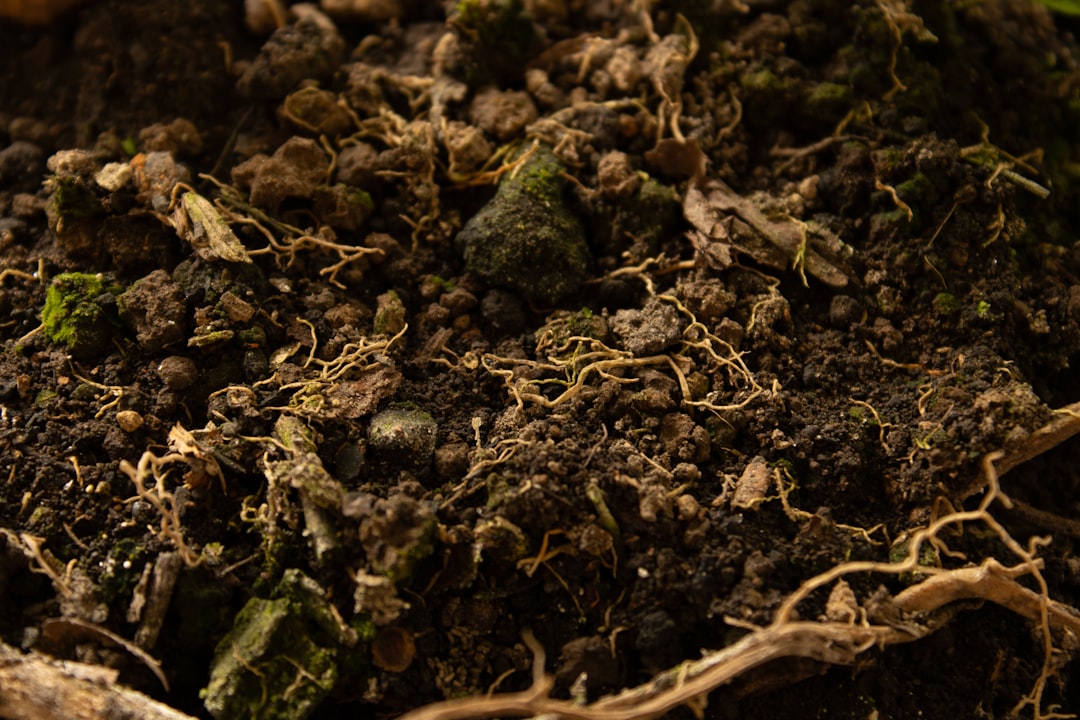
The first step is a physical examination. Dig a pit about 20 cm deep. Pay attention to the color and the smell. Healthy soil should be dark brown or black, indicating high organic matter content. It should have a pleasant, earthy scent, similar to the smell of a forest floor after a light rain. Any acrid, chemical, or sulfurous smell indicates drainage issues or anaerobic conditions where beneficial microbes are struggling to survive.
- Color: Darker soil usually implies higher carbon and organic content.
- Smell: A fresh, 'earthy' scent is the gold standard.
- Structure: Crumbling aggregates signify good aeration and fungal activity.
Step 2: The Earthworm Count Protocol
Earthworms are the engineers of your soil. They aerate the ground and create nutrient-rich castings. Select a 30x30 cm area and carefully excavate it. Count the number of worms you find. If you find more than 10 worms in this space, your soil is in excellent condition. 5-10 is average, and fewer than 5 suggests your soil needs an urgent infusion of compost or organic mulch to support life.
For the most accurate results, perform your worm count during spring or autumn when the soil is moist and life is most active.
Step 3: The Tea Bag Decomposition Test
This is a scientifically recognized method for measuring decomposition rates. Bury two standard Lipton-style nylon tea bags 10 cm deep in your soil and leave them for three months. Weigh them before burying and after retrieval. The more weight the tea leaves have lost, the higher your soil's microbial activity. This reveals how efficiently your soil can break down organic matter into usable plant food.
Common Mistakes and Expert Tips
One major mistake is aggressive tilling, which physically shreds fungal mycelium networks that are essential for plant nutrient uptake. Instead, use no-till methods and layer organic mulch on top to protect the soil surface. Another mistake is over-watering, which can lead to water-logging and suffocation of aerobic bacteria.
Remember that biological recovery takes time. You cannot fix a decade of chemical abuse in a single weekend. Be patient, observe the changes in plant vigor, and maintain a consistent organic feeding schedule. By auditing your soil biology, you are moving from being a mere spectator in your garden to becoming an active steward of a living, breathing system.