The Archive of Forgotten Signatures
The Tuesday Morning Audit
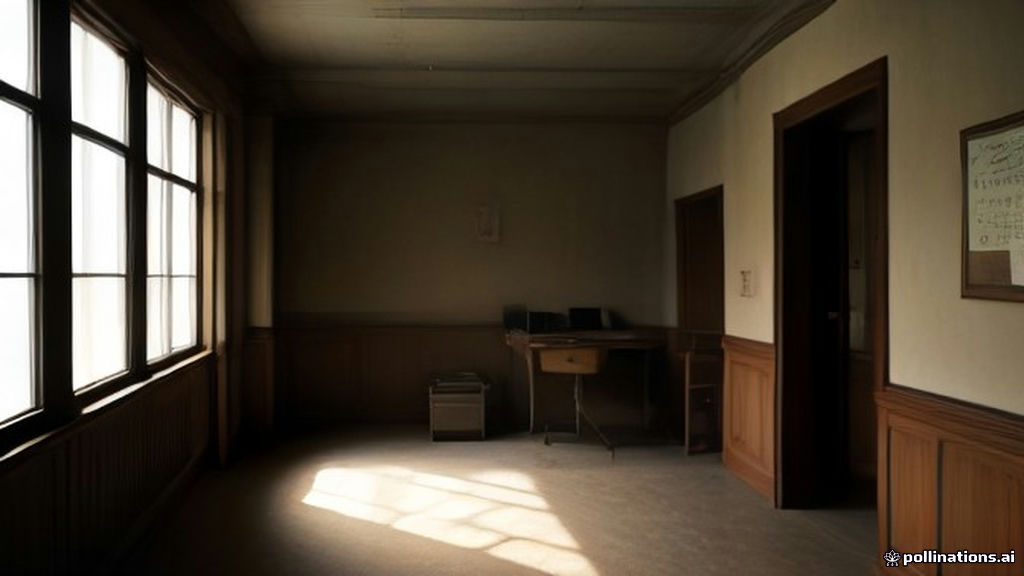
The office was quiet, save for the rhythmic hum of the HVAC system that had been the soundtrack of my life for three decades. My manager, a man twenty years my junior who wore suits that cost more than my first car, didn't look me in the eye. He slid a manila folder across the mahogany desk. It contained a severance package that wouldn't cover six months of my mortgage, let alone the pension they had promised when I started in 1994.
"It's a restructuring, Elias," he said, his voice as sterile as the glass walls surrounding us. "Your position is redundant. We need someone more... agile with the digital transition." He didn't mention that I had built the very database he was now migrating to, or that I had trained him on how to interpret the quarterly reports he now claimed as his own innovations. He just tapped his pen against the desk, waiting for me to stand up and leave.
The Weight of the Cardboard Box
I packed my things with a strange, hollow efficiency. My stapler, a few framed photos of a life that felt like it belonged to someone else, and the heavy leather-bound ledger I had kept in the bottom drawer for years. It wasn't a company document in the official sense; it was a personal record of every 'off-the-books' signature I had been asked to authorize by the board over the years. Whenever they needed a quiet workaround to bypass compliance, they came to me. I was the silent vault.
As I walked out of the building, security guards I had known since they were new recruits looked at the ground, embarrassed. I didn't blame them. I walked to my car, placed the box in the passenger seat, and drove away from the steel-and-glass tower. I didn't feel rage. I felt a cold, crystalline clarity. I had been the janitor of their moral failures for thirty years, and I had been erased with a single keystroke. They thought I was a relic of the past, but they had forgotten that the past is the foundation upon which the present is built.
The Visit to the Attic
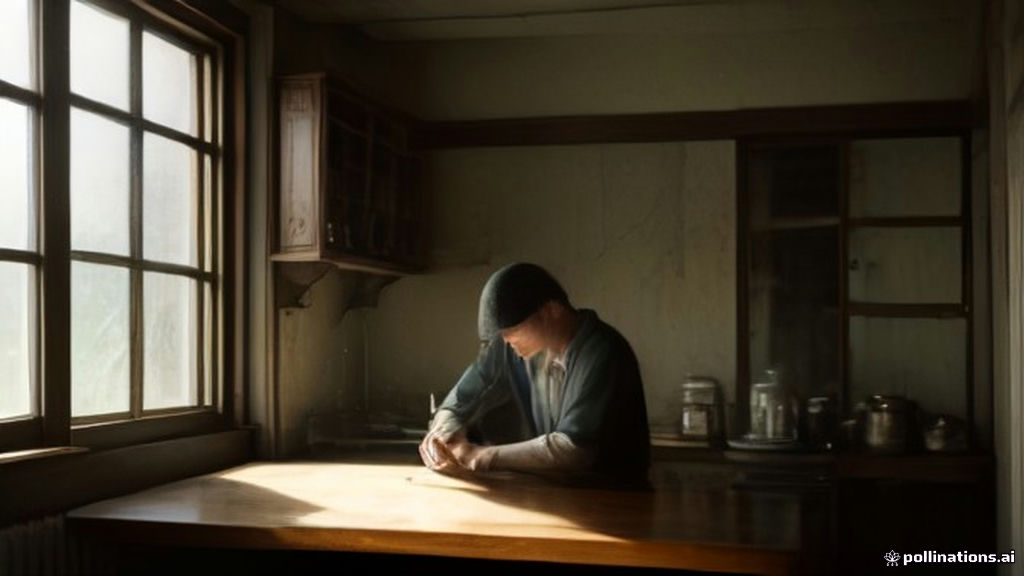
For three months, I lived quietly. I gardened, I read, I watched the seasons turn from the porch. Then came the knock on the door. It was the CEO himself, a man who rarely left the executive suite. He looked frayed, his tie loosened, his composure shattered. He stepped into my living room without an invitation, smelling of stale coffee and panic.
The truth is not a burden when you are the one who wrote it down; it is a weight you can finally choose to set aside.
"We have a problem with the audit," he said, skipping the pleasantries. "The federal regulators are looking into the 2018 logistics contracts. They need the primary signatures for the sub-contractors. The digital files are corrupted—a server crash, we think. You were the only one who kept the physical logs. We need them back, Elias. Name your price."
The Final Entry
I looked at him, really looked at him. I saw the fear in his eyes, the terror of a man who had built a kingdom on shifting sand. I didn't yell. I didn't gloat. I simply stood up and walked to the closet where I kept my old winter coat. I pulled out the ledger, but I didn't hand it to him. I walked to the fireplace, where a small fire was crackling against the evening chill.
- I told him the ledger was gone.
- I told him that his legacy was tied to the ethics he had discarded.
- I told him that I had already sent a copy to the regulatory board's anonymous tip line the day I was fired.
He stared at the flames, then at me. There was no negotiation left, only the silence of a man who had realized too late that he had betrayed the only person who was actually holding his house of cards together. He left without a word, his footsteps heavy on the porch. I sat back down, poured a cup of tea, and listened to the rain. I wasn't just a former employee; I was the architect of their silence, and I had finally decided to let the roof cave in.
When you have nothing left to lose, you become the most dangerous person in the room—not because of what you can do, but because you no longer care about the consequences.