The Archaeology of the Desktop Icon Graveyard: Why We Hoard Our Digital Intentions
The Digital Silt of Our Daily Lives
Have you ever minimized your browser window only to be confronted by a sprawling, chaotic landscape of icons, screenshots, and PDFs? It is a digital topography of your past self—a graveyard of projects that were meant to be finished, documents that were supposed to be read, and drafts that never saw the light of day. We live in an era where the cost of storage is virtually zero, leading us to believe that digital hoarding is a victimless crime. Yet, every icon on your desktop is a small, flickering commitment that you never quite fulfilled.
This isn't just about messy organization; it is about the way we curate our digital intentions. When we drag a file to the desktop, we aren't just saving data; we are creating a placeholder for a future action. We are saying, 'I will deal with this later.' But as the months turn into years, those files stop being tasks and start becoming part of the scenery. They become the digital silt that settles at the bottom of our work lives, a layer of sediment that we fear clearing away because to delete a file is to admit that the intention behind it has officially expired.
The Psychology of the Placeholder
Why do we find it so difficult to hit the trash icon? Psychologists often point to the endowment effect, where we place a higher value on things simply because we possess them. In the digital realm, this manifests as a fear of loss. We tell ourselves that there might be a scrap of information in that 'Project_Final_v3.docx' that we could need in 2027. We treat our desktop like a workbench where we are constantly mid-project, even when we haven't touched the tools in a decade.
The digital desktop has become the ultimate monument to our unfinished business. It is a place where optimism goes to collect dust.
Consider the specific types of files that populate these graveyards:
- The 'Research' Folder: A collection of fifty PDFs on a topic you were passionate about for exactly three days in 2019.
- The 'Screenshot' Pile: Images of things you meant to post, share, or analyze, now buried under a mountain of newer, equally irrelevant screenshots.
- The 'Draft' Documents: Half-written emails or articles that represent a version of you that had more time or energy than you currently possess.
The Fear of Deleting Potential
Clearing a desktop feels like an act of erasure. When you delete a file, you are officially closing a chapter. There is a strange, quiet grief in moving a folder full of abandoned ideas into the recycle bin and hearing that satisfying click of permanent deletion. We keep the icons because, as long as they exist, the projects they represent are technically still possible. They are not failures as long as they remain on the hard drive; they are just 'pending.'
This is a form of procrastination masquerading as productivity. By leaving these files visible, we create a background noise of low-level anxiety. Every time we look for a new file, we have to navigate through the ghosts of our past ambitions. We are constantly reminded of what we haven't done, which drains our mental energy for what we actually need to do today. The desktop isn't a workbench; it's a museum of things we didn't have the time to become.
The Liberation of the Empty Screen
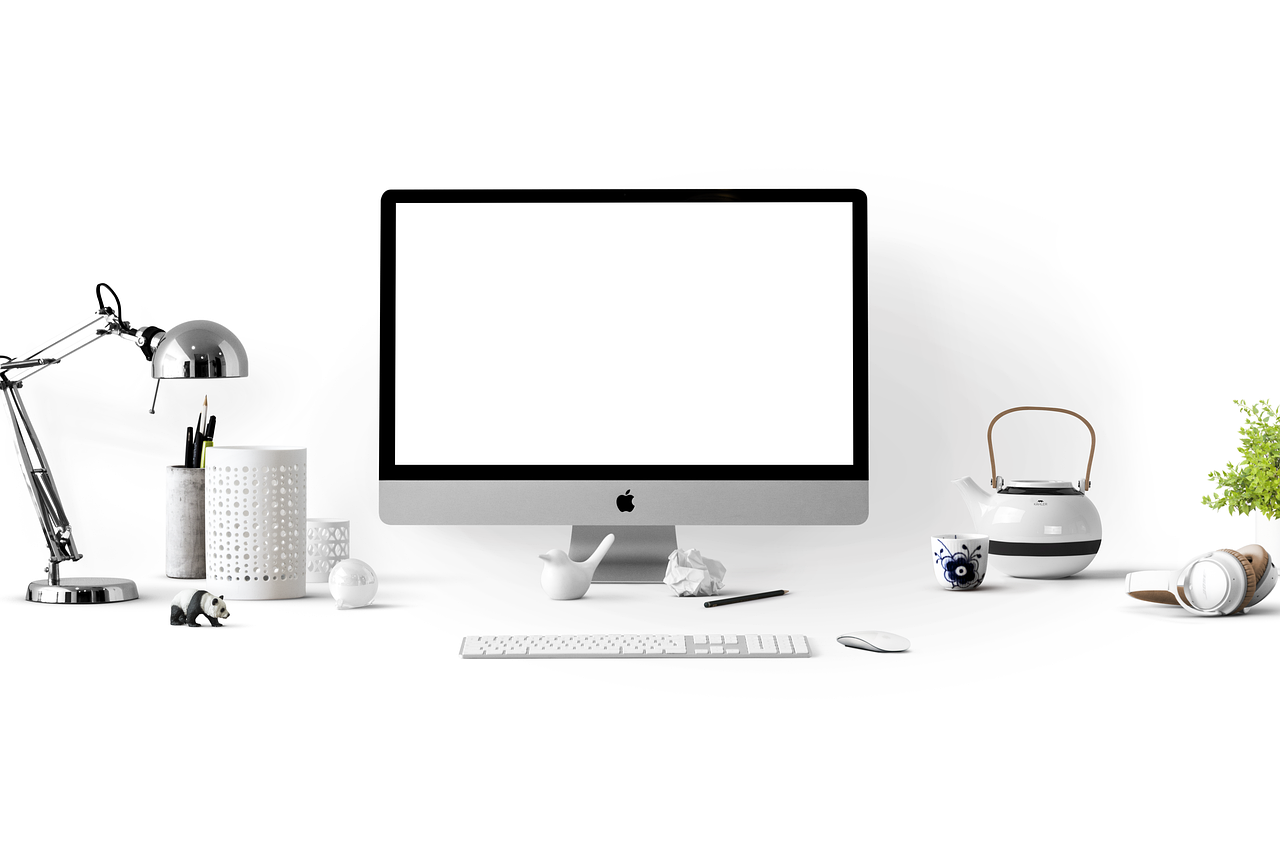
There is a profound sense of clarity that comes with an empty desktop. It is the digital equivalent of a clean desk in a physical office. When we finally commit to organizing or deleting these files, we aren't just cleaning up our hard drive; we are reclaiming our mental bandwidth. We are deciding that our current focus is more important than our past procrastination.
If you want to try this, don't just dump everything into a folder named 'Old.' That just hides the mess. Instead, try the 'Archive' method: Create a single folder for the year, move everything currently on your desktop into it, and then move that folder to an external drive or a cloud service where you will likely never look at it again. Suddenly, your screen is clear. Your eyes can rest. You are no longer managing a graveyard; you are looking at a blank canvas.
Ultimately, the archaeology of your desktop tells a story of who you were, but it doesn't have to dictate who you are right now. The most valuable thing you can do for your current work is to stop hoarding the debris of your past intentions. Clear the screen, and you might find that the space you create is exactly what you needed to finally start something new.