The Wall of Whispers: When Neighbors Take Too Much
When my neighbor decided my land was his, I stayed silent. But every injustice has a price, and sometimes justice arrives when you've finally stopped waiting for it.
The Boundary Drawn in Dust
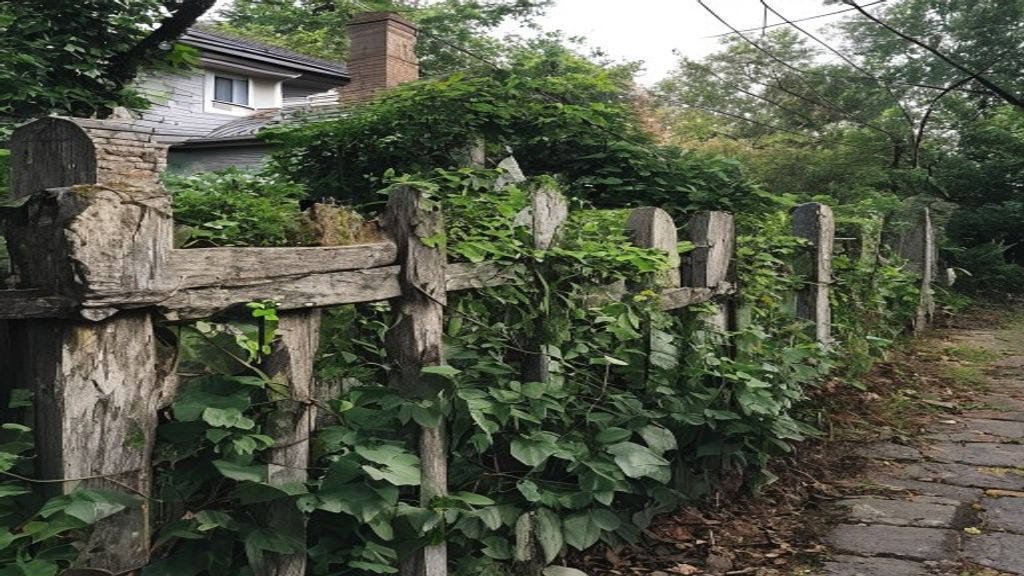
It began on a Tuesday morning with a five-meter stone fence. My neighbor, Mr. Aram, a man I had shared morning coffee with for a decade, moved the boundary line without a word of warning. When I approached him, he simply shrugged and said, "The surveyor made a mistake ten years ago; now, everything is finally legal."
I didn't argue. I just watched as my ancestral apricot trees were suddenly claimed as his. My family urged me to let it go. "Don't ruin the neighborhood for a few square meters," my wife pleaded. But it wasn't just dirt; it was the heart of our garden, the place where we gathered every summer under the shade.
The Cost of Keeping Still
In the months that followed, Aram became emboldened. He forbade me from touching the trees, claiming they now sat on his property. I swallowed the insult. I went to work, saved my money, and lived my life, while he built a massive, ugly storage shed on the stolen land—a shed that blocked the morning light from my kitchen window. My home became dark, yet I kept my peace, even though the original deeds sat safely in my desk drawer.
Silence is often the best weapon when the enemy is busy digging their own grave.
When the Tables Turned
A year later, the city council announced a major road expansion project. It turned out that the land Aram had "legalized" was slated to be torn down for the new highway. Because his shed was built on falsified surveys and lacked proper permits, he didn't receive a dime in compensation. Instead, he was slapped with massive fines for illegal construction.
Aram came to my door, face pale, begging me to sign a document claiming he had been renting the land from me, hoping to salvage some compensation from the state. He wept, reminding me of our old friendship and how we were supposed to be neighbors for life. I looked at him, and I saw the stumps of the apricot trees he had hacked down to make room for his shed.
- I did not sign a single page.
- I looked him in the eye and said, "The ground never forgets, even if you try to build over it."
He lost everything—the shed, the land, and his standing in the community. I remained in my house, where the morning sun now hits my garden, unobstructed and entirely mine. Was it worth the year of darkness to see the truth settle the score on its own?