The Seed of the Silent Oath
At the Empty Table
The day we buried my father, my brothers kicked me out of our family home. They told me I had contributed nothing to the estate, ignoring the decade I spent nursing the rare, temperamental trees he had carried from the high mountains. They handed me a small, wooden box filled with shriveled, dried seeds and laughed, telling me that was my share—take them and see if you can grow anything in the wasteland.
I didn't argue. I took the box, put on my coat, and walked out the gate. The rain beat against my face, and behind me, the sound of their laughter echoed—the sound of arrogance and unearned wealth. They had already planned to pave over the garden to build concrete guest houses, structures that would offer no shade and yield no life.
The Years of Silence
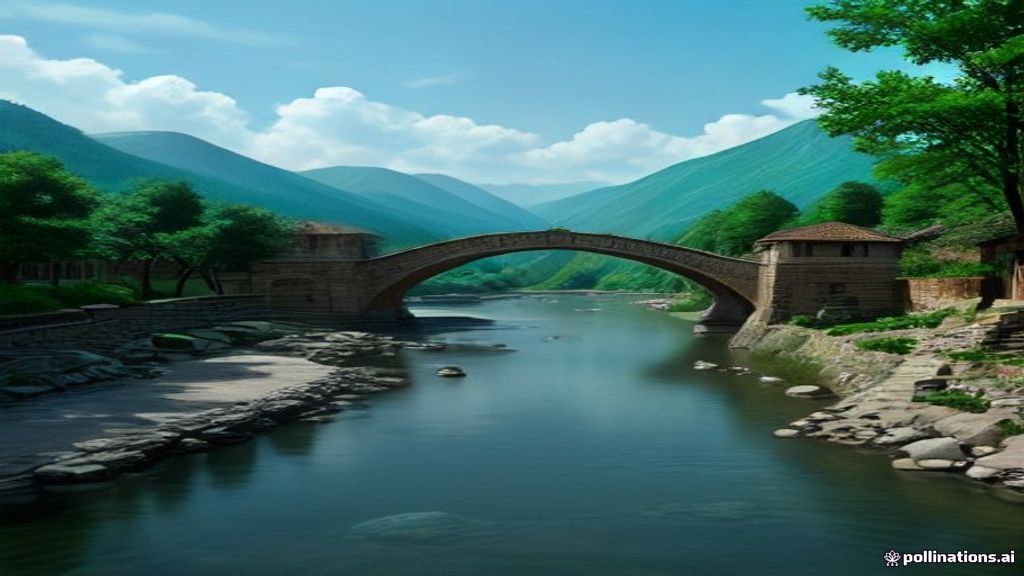
I settled on a patch of abandoned, rocky land on the edge of the village. Every day, from sunrise to sunset, I worked. My hands were permanently stained with soil, and my back ached with the weight of it, but I planted the seeds my father had given me. These were not common seeds; they were ancient, resilient varieties that required not just water, but profound patience.
One day, a neighbor stopped by and asked, "Why do you toil so hard, when this soil will never give you what you expect?"
My answer was simple: "The oath I made to the earth is not measured in time; it is measured in the bloom that comes only when the world has forgotten I exist."
When the Earth Spoke
Ten years later, my orchard became the pride of the region. The trees I had tended bore fruit so rich that people traveled days just to taste them. Meanwhile, my brothers' land, where they had hoped to build their hotel, had withered into a barren, dusty desert. The concrete had cracked, and the soil, exhausted by their greed, had simply stopped giving.
One afternoon, they showed up at my gate. Their clothes were frayed, and their eyes were lowered in shame. They begged me to help them restore their land, pleading for me to come and plant the same seeds they had once mocked. They offered money, titles, and apologies that tasted like ash.
Closing
I looked at them, then back at my thriving orchard. I felt no anger, only a quiet, settling peace. I simply said, "The seeds were yours to give, but the love for the soil I had to grow myself. You cannot buy what you never learned to understand." I closed the gate and went back to my work. Can you distinguish a true seed from an empty promise?