The Poet’s Charred Peach and Burrata Ritual: A Symphony of Summer
The Art of the Seasonal Pause
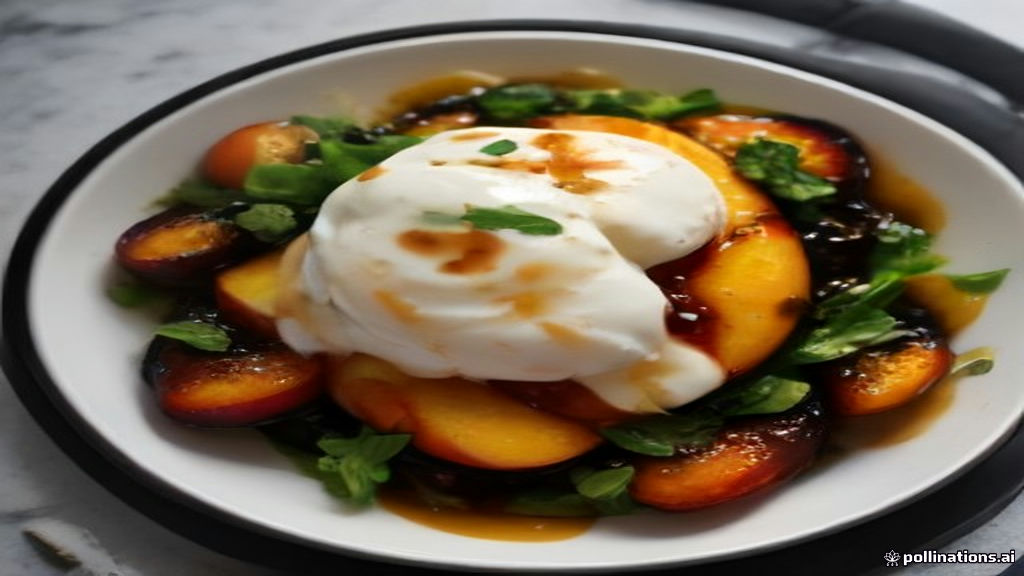
There is a specific, melancholic beauty to the height of summer—a realization that the long, golden days are beginning their slow retreat. For the poet or the dreamer, this transition is best observed through the lens of the kitchen. The Charred Peach and Burrata ritual is not merely a recipe; it is an act of preservation. By searing stone fruit, we deepen its sugars, creating a complex, smoky foundation that anchors the ethereal, cloud-like texture of fresh burrata. This dish celebrates the contrast between the fleeting intensity of the season and the grounding, earthy pleasure of a well-crafted meal.
When you stand over the stove, watching the peach slices caramelize into deep, mahogany stripes, you are witnessing a small chemical transformation that mimics the way memories are burnt into our consciousness. It is a dish that demands patience, a light touch, and a reverence for ingredients at their absolute peak of ripeness. It is the perfect accompaniment to a quiet evening spent reading poetry in the garden, or a lively dinner party where the conversation flows as freely as the wine.
The Essential Components
To execute this ritual, you must source the finest ingredients available. The quality of the fruit will dictate the success of the dish, as the charring process highlights the natural sugars rather than masking them.
- 4 ripe, firm peaches, pitted and sliced into thick wedges
- 2 balls of high-quality buffalo burrata
- A handful of fresh, peppery wild arugula
- 1/4 cup toasted hazelnuts, roughly crushed
- 2 tablespoons high-quality balsamic glaze or a reduction of balsamic vinegar
- 3 tablespoons extra virgin olive oil
- A pinch of flaky sea salt and freshly cracked black pepper
- Fresh basil leaves for garnish
The Ritual of Preparation
- Begin by heating a heavy-bottomed cast iron grill pan over medium-high heat. You want the surface to be hot enough to sear, but not so hot that it incinerates the fruit instantly.
- Brush the peach wedges lightly with olive oil. Place them carefully on the grill pan. Do not crowd the pan; work in batches if necessary to ensure a proper char.
- Sear the peaches for approximately 2 to 3 minutes per side. You are looking for distinct, dark grill marks and a slight softening of the flesh. The goal is to retain structural integrity while coaxing out the juice.
- Arrange a bed of fresh arugula on a serving platter. Place the charred peaches atop the greens while they are still warm.
- Gently tear the burrata balls and nestle them in the center of the peaches. The cream from the inside of the burrata will naturally spill out, mingling with the warm juices of the fruit.
- Drizzle the entire composition with the remaining olive oil and the balsamic glaze.
- Finish with the crushed hazelnuts for a necessary crunch, a generous scattering of torn basil, and the final flourish of flaky sea salt and cracked black pepper.
Cooking is the act of turning time into taste. When you char a peach, you are capturing the heat of the sun and holding it on the plate, a small, edible souvenir of the summer solstice.
Mastering the Technique
The secret to this dish lies in the temperature. If your peaches are too soft, they will disintegrate; if they are under-ripe, they will lack the depth of flavor required to stand up to the richness of the burrata. Always use fruit that gives slightly under pressure but remains firm enough to hold its shape when lifted with tongs. If you find yourself without a grill pan, a standard stainless steel skillet will work, though you will miss the aesthetic appeal of the char marks—the flavor, however, will remain largely the same.
For a variation, consider adding a hint of heat. A light dusting of Aleppo pepper or a thin slice of fresh jalapeño can provide a surprising, modern contrast to the sweetness of the peaches. If you wish to make this a more substantial meal, serve it alongside a crusty loaf of sourdough bread, toasted with a smear of garlic, to mop up the residual cream and balsamic reduction left on the plate.
This ritual is a reminder that beauty often resides in simplicity. By honoring the ingredient, you create a space for quiet contemplation and joy. Serve this dish immediately, while the contrast between the warm, smoky fruit and the cool, creamy cheese is at its peak, and enjoy the symphony of textures that define a perfect summer evening.