The Great Emu War: When the Australian Army Lost to Birds
The Unexpected Foe
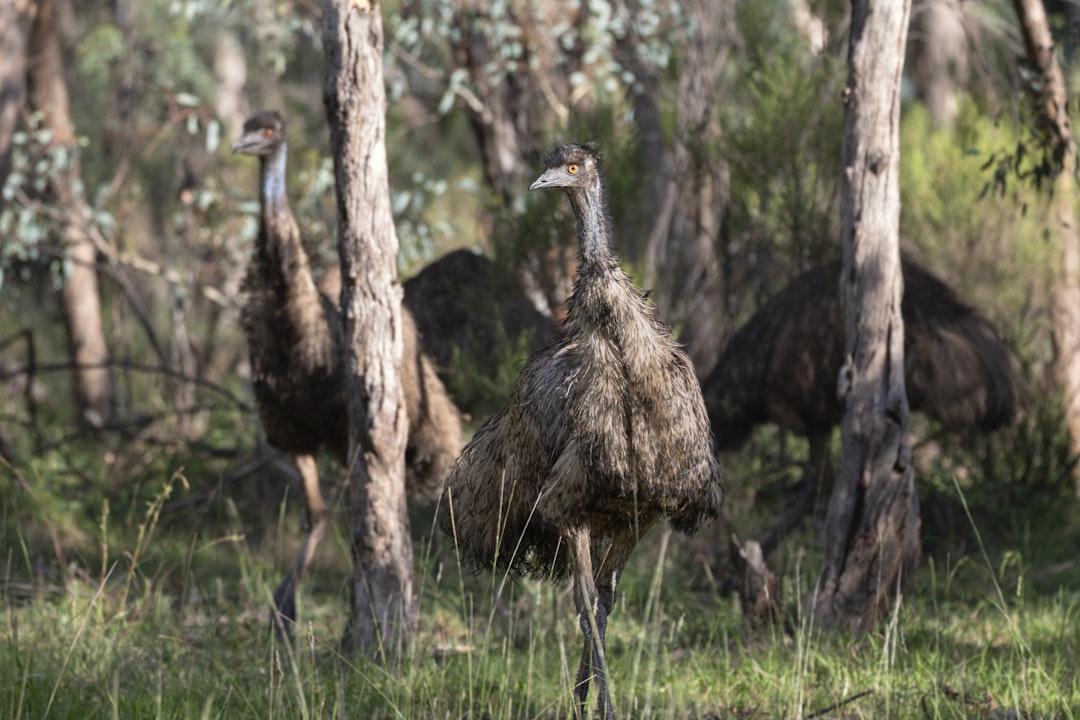
In November 1932, Australia found itself in a situation nearly unprecedented in military history. Veterans of the First World War, who had been settled on wheat farms in Western Australia, faced a crisis. Approximately 20,000 emus—large, flightless native birds—began their migration toward the fertile farmlands. They were not merely eating the wheat; they were destroying fences, leaving the crops vulnerable to rabbits, which caused even further devastation.
The desperate farmers petitioned the government for military intervention. Minister of Defence Sir George Pearce, eager to prove that the government was looking after the interests of the veterans, authorized the deployment of soldiers armed with Lewis automatic machine guns and 10,000 rounds of ammunition. Thus began the Great Emu War, one of the most absurd clashes between humanity and nature ever recorded.
Military Strategy Versus Instinct
Major G.P.W. Meredith, who commanded the small detachment, quickly realized that his mission would be anything but easy. The emus, despite their seemingly awkward gait, displayed remarkable tactical flexibility. The moment the soldiers attempted to approach, the birds would scatter into small groups, making machine-gun fire largely ineffective.
The emus fought not as a singular army, but as an unpredictable guerrilla force, using their speed and numbers to outmaneuver the soldiers at every turn.
The officers observed that each group of birds seemed to have 'sentries' that alerted the flock to impending danger. The machine guns frequently jammed, and the sheer durability of the emus meant that even when wounded, they often managed to escape into the scrub. The military operation, which was expected to last only a few days, devolved into weeks of frustrating and futile attempts.
An Inglorious Defeat
After several weeks, the military was forced to withdraw. Data indicated that only a few hundred emus had been culled, despite the expenditure of thousands of rounds of ammunition. The operation became a laughingstock in the press, with members of parliament questioning the wisdom of deploying machine guns against wildlife. The army had effectively been outwitted by the very birds they were sent to eradicate.
- The military intervention was declared a failure.
- The emus continued their destructive activities on farmlands.
- The story remains a classic example of human hubris against the unpredictable resilience of nature.
Ultimately, the Australian government realized that military force was not the solution. Instead, they implemented a bounty system for farmers to handle the threat themselves, which proved far more effective. The Great Emu War serves as a humorous yet humbling reminder that nature, in its chaotic and persistent way, can sometimes withstand even the most modern weaponry of mankind.