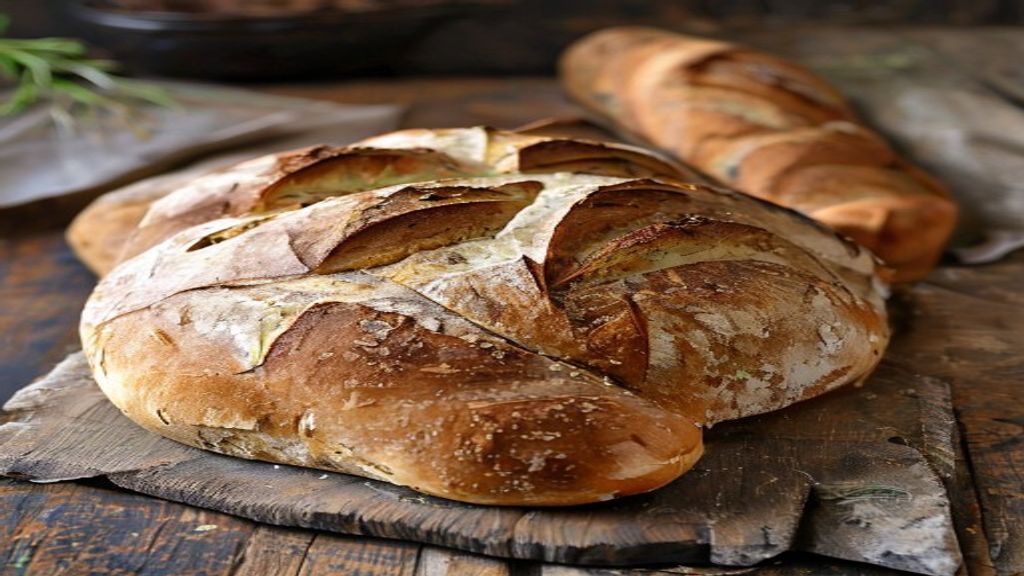
The Psychology of the Perfect Crusty Sourdough: Patience as an Ingredient
The Mindful Craft of Sourdough
Baking sourdough is far more than a culinary task; it is a profound psychological exercise in delayed gratification. In an era where we expect instant results—from internet speeds to delivered meals—the sourdough starter demands something increasingly rare: patience. By engaging with a living culture that dictates its own timeline, the baker is forced to slow down. This act of slowing down is, in itself, a form of active meditation that anchors the mind in the present moment, pulling us away from the anxieties of the future and the regrets of the past.
The Anatomy of the Loaf
Success in baking begins with understanding the essential elements. You are not just mixing flour and water; you are cultivating an ecosystem. The quality of your ingredients directly mirrors the care you put into your mental space during the process.
- 500g strong bread flour (high protein content)
- 350ml filtered water, lukewarm
- 100g active sourdough starter (bubbly and fed)
- 10g fine sea salt
The Process: A Dialogue with Dough
Begin by mixing your flour, water, and starter until a shaggy mass forms. Let this rest for 30 minutes—an autolyse phase that allows the gluten network to begin forming without effort. After adding the salt, perform a series of 'stretch and folds' every 30 minutes for the next two hours. This is the stage where you develop the dough's strength. Unlike standard bread, you aren't fighting the dough; you are guiding it. By the time you reach the bulk fermentation stage, which takes about 4 to 6 hours at room temperature, you will notice the dough becoming airy and elastic.
Baking is an act of trust. You must trust the yeast, trust the process, and ultimately, trust your own senses to know when the dough is ready to shape.
Building Resilience Through Failure
One of the most valuable psychological lessons in sourdough baking is the acceptance of imperfection. Your first loaf might be dense, or your crust might be too dark. Yet, in the kitchen, these are not failures; they are data points. This growth mindset is essential for long-term well-being. Each time you score the dough, you are making a commitment to the outcome, and each time you pull a golden-brown, crackling loaf from the oven, you reinforce your sense of agency and efficacy.
Serving and Variations
Serve your sourdough while still slightly warm, ideally with salted cultured butter or a high-quality olive oil. For a psychological boost to your routine, try adding toasted walnuts or dried cranberries during the final fold. These variations keep the process interesting and help you associate the act of baking with comfort, reward, and personal growth. Whether you are baking for yourself or sharing it with loved ones, remember that the bread is simply a vessel for the time and love you invested in its creation.