The Dancing Plague: When a City Danced Itself to Death
The Unstoppable Rhythm
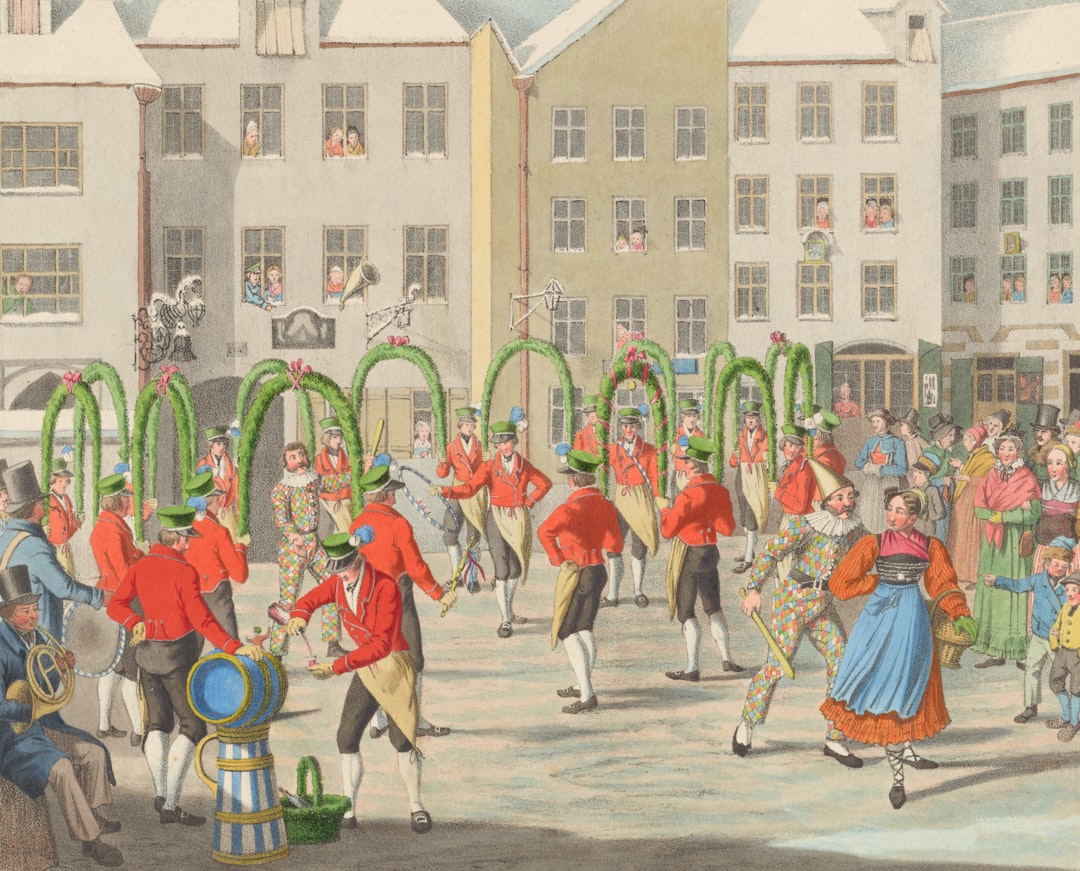
In July 1518, in the streets of Strasbourg, a woman named Frau Troffea stepped out of her house and began to dance. It was not a celebratory jig; there was no music, no joy, and no apparent reason. Within a week, thirty others had joined her. By the end of the month, hundreds of people were trapped in a relentless, involuntary dance that would last for weeks. This was the 'Dancing Plague,' a historical enigma that continues to puzzle psychologists, historians, and scientists to this day.
The Physiological Mystery
For centuries, experts have debated the cause of this mass hysteria. One leading theory points to ergotism, a form of food poisoning caused by a fungus that grows on damp rye. Ergot contains alkaloids similar to the chemical components of LSD, which can induce hallucinations, tremors, and involuntary movements. However, critics argue that such poisoning would be too physically debilitating to allow for days of vigorous dancing, making the physiological explanation incomplete.
A Psychological Contagion
The alternative, more widely accepted theory, leans into 'mass psychogenic illness.' In 1518, Strasbourg was reeling from a perfect storm of famine, disease, and extreme poverty. The population was gripped by a superstitious belief in Saint Vitus, a martyr who was rumored to have the power to curse sinners with an irrepressible, deadly dance. This collective anxiety, combined with deep social despair, likely triggered a psychological breaking point.
The dance was not a performance, but a desperate, unconscious scream of a society pushed to its absolute mental and physical limit.
The Mechanism of Mass Hysteria
Mass psychogenic illness occurs when stress levels in a population become unsustainable, causing the brain to bypass rational control. In the case of the dancing plague, the social reinforcement—as authorities actually encouraged more music, believing it would 'dance the sickness out'—only fueled the fire.
- Ergotism: The theory of fungus-induced tremors.
- St. Vitus' Dance: The religious superstition of the era.
- Social Stress: The impact of famine and plague on mental health.
- The Feedback Loop: How public attention exacerbated the symptoms.
Eventually, the authorities realized their mistake and stopped the music, instead sending the dancers to mountain shrines to pray for recovery. Many had already succumbed to cardiac arrest, exhaustion, or stroke. The survivors eventually recovered, but the event left a permanent scar on the historical record, serving as a terrifying reminder of how fragile the human mind is when confronted with extreme, prolonged trauma.
The legacy of the dancing plague is a profound study in the connection between collective mental wellbeing and environmental stability. It serves as a haunting example of how, when human beings are pushed past the brink of endurance, the mind may manifest that suffering in ways that defy all logic, turning the body into a vessel for an agony that words cannot express.