The Gardener of Stone Pavements
I spent forty years tending a garden that wasn't mine, only to be evicted when the soil finally turned to gold. Then, the city changed its mind.
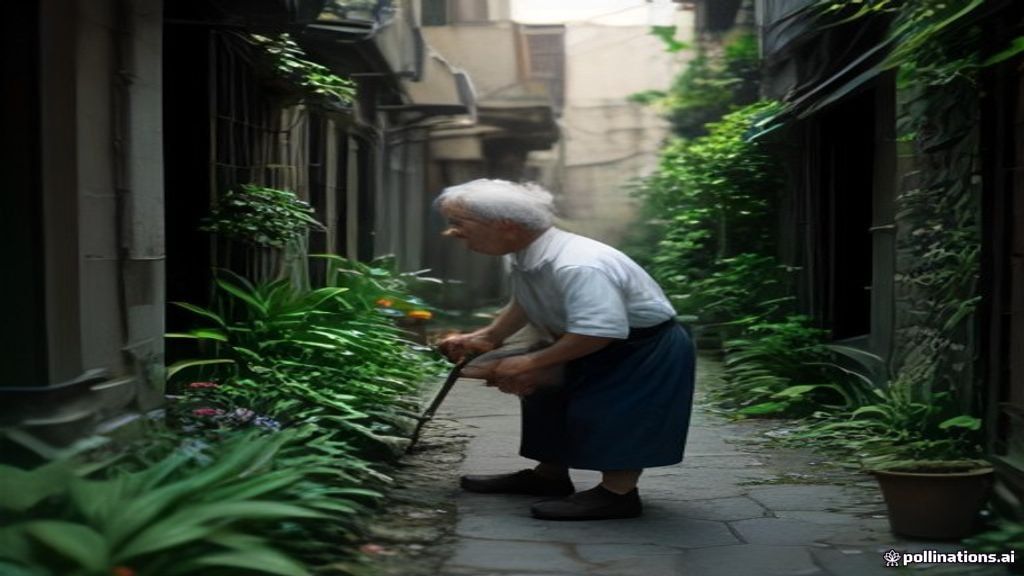
The Concrete Eviction
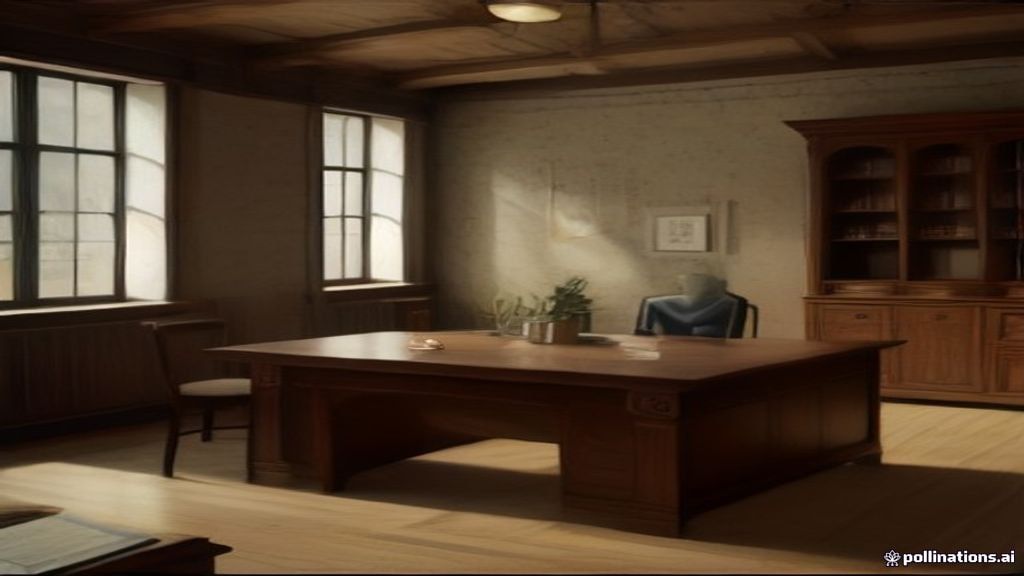
The notice was taped to the gate with the kind of clinical precision that makes a heart stop. It was a Tuesday, the day I usually pruned the climbing hydrangeas. My brother, Elias, stood on the porch of the small Victorian cottage—the house our parents had built and the house he had finagled into his name during my stint caring for our dying father in the city. He didn't look at me. He looked at his watch, tapping his boot against the stone I had laid with my own hands twenty years ago.
"It's sold, Arthur," he said, his voice as flat as a highway. "The developers are breaking ground on Monday. I need the keys by dusk." I reminded him of the agreement—that I would have a room here for as long as I lived, a thank-you for the years I spent paying his debts while he played the part of the struggling entrepreneur. He just laughed, a dry, rattling sound. "That wasn't a contract, Arthur. That was a family sentiment. And sentiment doesn't pay the property tax."
The Soil Beneath the Nails
I left that evening with nothing but a crate of heirloom seeds and a heavy silence. I moved into a basement apartment in the industrial district, a place where the sun was a rumor and the air tasted of exhaust. The lot next door was a graveyard of broken glass and rusted rebar, a fenced-off scar in the middle of a concrete neighborhood. Nobody went there. Nobody even looked at it. But I had my seeds, and I had the habit of morning.
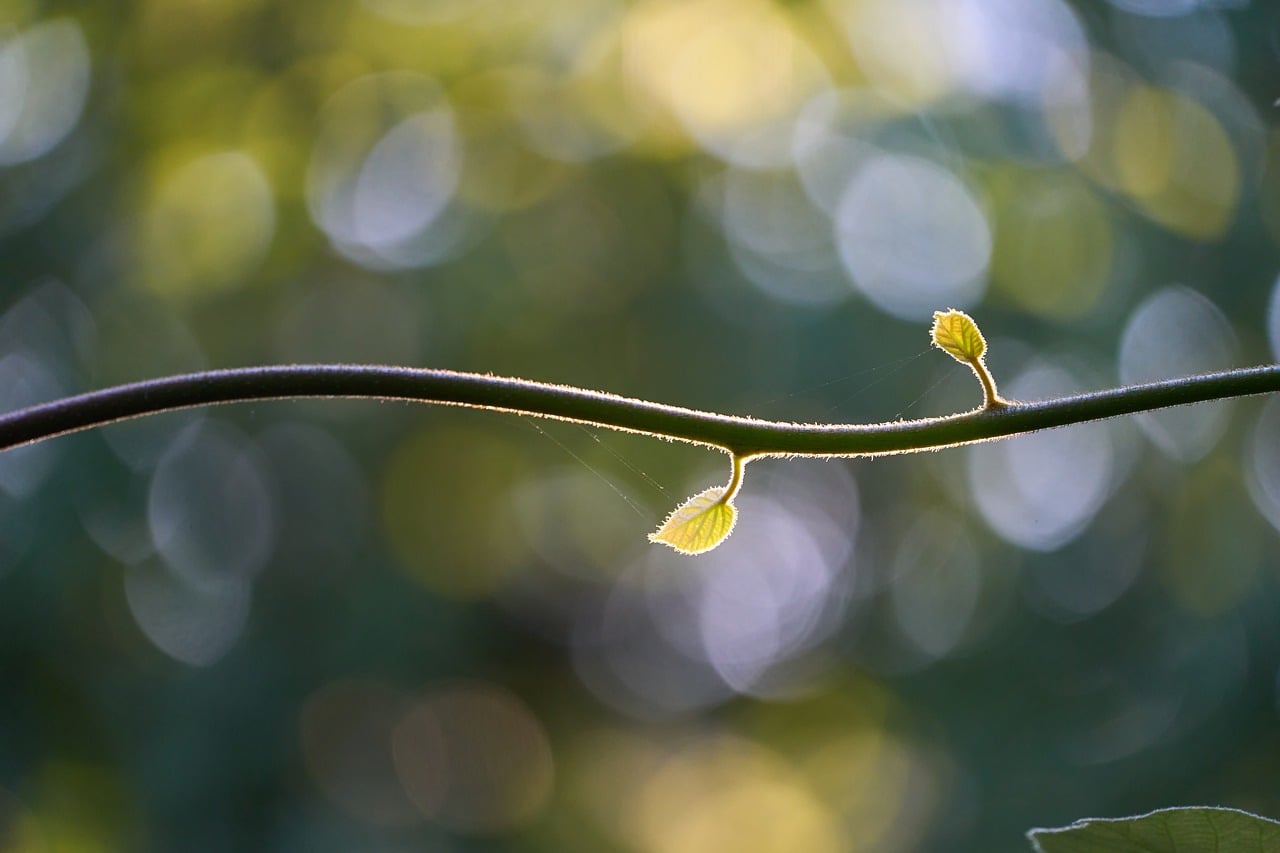
Every dawn, I climbed the fence with a bucket of water and a trowel. I didn't own the land, and I didn't care. I cleared the rubble, stone by stone. I hauled in bags of compost on the bus, earning strange looks from commuters. I planted marigolds in the cracks of the foundation and creeping vines along the chain-link. I turned that dead, grey earth into a riot of color that seemed to defy the very gravity of the city. People started to stop. They brought their children to see the 'secret garden.'
The earth does not know who holds the deed; it only knows who holds the shovel.
The Tables Turn
Three years later, the city council announced a massive urban renewal project. My little lot was designated as the centerpiece of a new community park. The developers—the same ones who had bought my childhood home—realized that the 'illegal' garden I had cultivated had increased the land value tenfold. They tried to bulldoze it, but the neighborhood revolted. They didn't see a construction site; they saw the only patch of green in a concrete desert. The council stepped in, citing a rare municipal statute that allowed the 'primary curator' of a neglected space to claim ownership through years of continuous, visible stewardship.
I was named the steward. The city not only granted me the deed but provided a stipend to maintain it. I became a local figure, the man who grew life out of trash. It was then that the phone calls started. Not from the city, but from Elias. His business had folded, his investments had soured, and he was facing bankruptcy. He called me, voice dripping with a familiar, oily warmth, suggesting we 'reconnect' and maybe talk about how he could 'help' me manage the new park project.
The Final Bloom
I met him at the park gate. He looked older, his suit frayed at the cuffs, his eyes darting toward the benches where the well-to-do residents were now sitting. He started talking about family, about how we had always been a team, about how he had 'misunderstood' the situation back then. He reached out to pat my shoulder, a gesture of false solidarity that made my skin crawl.
I didn't yell. I didn't throw him out. I simply handed him a heavy, rusted garden rake. "If you want to be part of this," I said, "the weeds by the south fence are thick. Start there. I pay minimum wage, and the hours are long." He looked at the rake as if it were a venomous snake. He walked away, and I went back to my hydrangeas. I never saw him again.
Does justice arrive because we fight for it, or because we simply refuse to stop growing?