The Bridge of Silent Stones
Of Stone and Scorn
When I first broke ground on the stone bridge, the village council laughed. They called my design an archaic vanity project, a waste of good granite and better time. They argued that the old wooden planks were enough for our small stream. I spent every cent of my inheritance on that stone, hiring master masons from the valley while the locals walked by, spitting on the construction site and mocking the calluses on my hands. My own brother, Elias, was the loudest. He told the neighbors that I was building a monument to my own ego, a structure that would eventually collapse and kill us all.
The pressure didn't stop at words. They petitioned the regional authorities to stop my work, claiming it ruined the view and blocked the natural flow of the banks. I lived in a small, damp trailer near the site, eating cold bread while they held town hall meetings to discuss how to tear down what I had barely begun to build. Each stone I laid was met with a new insult, a new demand for me to leave. I stayed silent, kept my head down, and focused on the mortar.
The River’s Reckoning
The rain came in late October, a relentless, gray sheet that turned the stream into a raging brown torrent. Within forty-eight hours, the wooden planks that everyone had relied upon were swept away like toothpicks. The lower village, where the homes of my loudest critics stood, was suddenly cut off from the higher ground. The water rose fast, trapping families, livestock, and livelihoods in a muddy prison. They had no way to reach the main road, no way to get supplies in, and no way to signal for help.
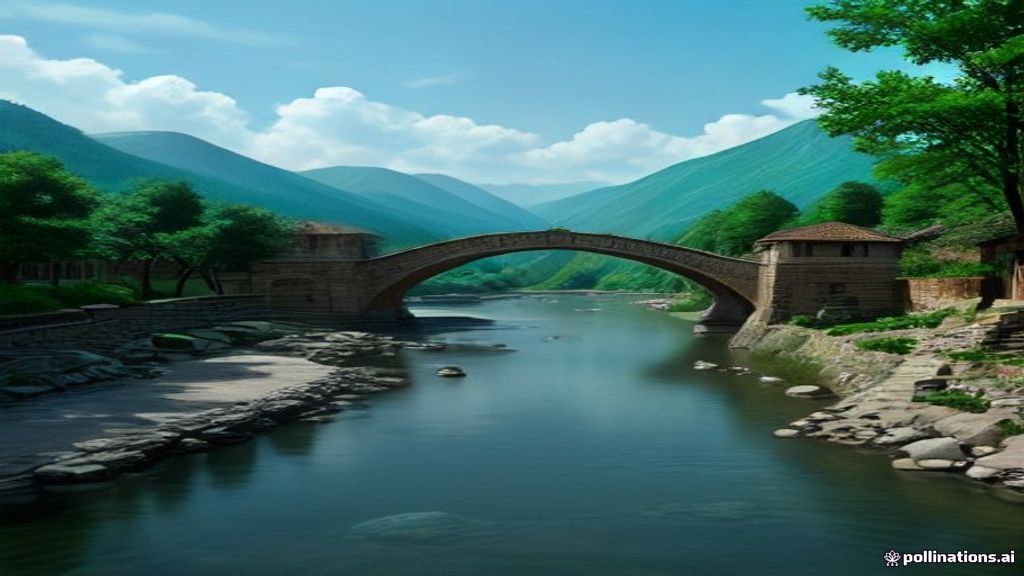
I stood on my stone bridge, the arches trembling slightly under the pressure of the debris, but holding firm. It was the only crossing left for miles, a solid, immovable spine in the middle of a world being washed away.
The Tables Turn
By the third day, the hunger had started to set in. Elias was the first to approach the bridge. He looked smaller, his clothes soaked through, his face pale with a mix of shame and desperation. He didn't ask; he begged for permission to cross, to get his family to the supply trucks waiting on the other side. I leaned against the stone railing, feeling the cold weight of the past months. I thought of the petitions, the jeers, and the nights I spent shivering while they laughed in their warm, dry parlors.
I didn't yell. I didn't gloat. I simply looked at him and said, "You called this a vanity project, Elias. Why would you want to walk on the ego of a man you despise?" The silence between us lasted longer than the storm. Eventually, I stepped aside and let them cross, but the look in his eyes told me he knew exactly what he had lost: his standing, his pride, and his brother. When the waters finally receded, the town council tried to offer me money to 'formalize' the bridge's status. I refused every cent. Instead, I donated the deed to the local school, with the ironclad condition that the council members who had tried to block the construction would never have a say in its maintenance.
Now, every time I walk across those stones, I feel a quiet, heavy peace. It is not a bridge of spite, but a bridge of endurance. We all build things in our lives, but have you ever built something that proved your enemies wrong simply by existing?