The Anchor of Rusting Promises
I spent ten years tending a shipyard that wasn't mine, only to be locked out the morning the tide finally turned in my favor.
The Price of Loyalty
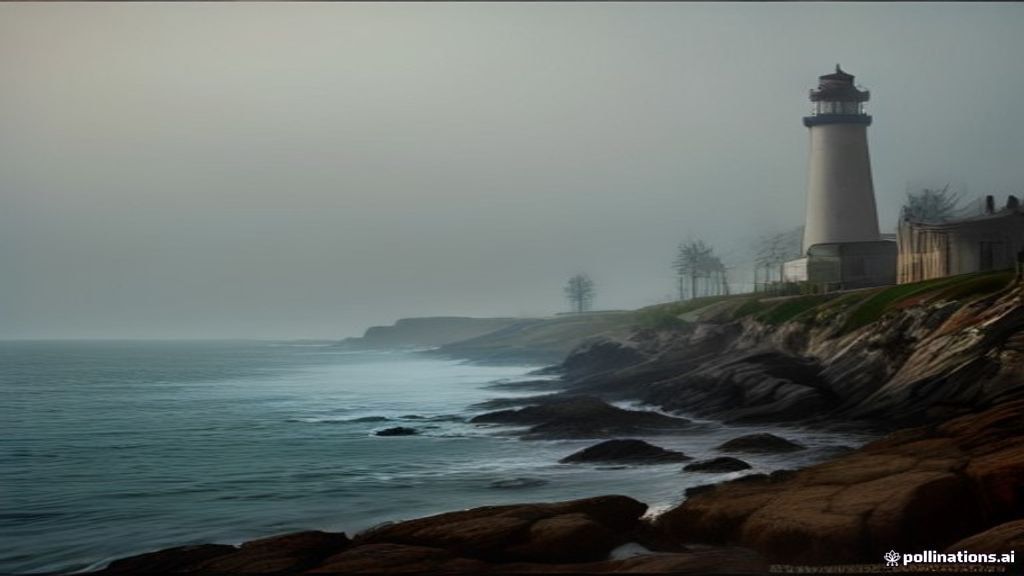
The eviction notice was taped to the glass of the office door, fluttering in the salt spray like a dying moth. It was 6:00 AM, and I had arrived as I always did, with two coffees and a set of keys that were about to become useless. My brother, Elias, stood on the other side of the glass, his hand resting on the heavy deadbolt he had installed three days prior. He didn't look at me. He looked at the horizon, where the fishing trawlers were just starting to hum to life.
"It's for the best, Arthur," he said, his voice muffled by the thick pane. "The board decided the shipyard needs a more 'modern' direction. You’re a relic. They’re liquidating the assets, starting with your workshop." I had spent a decade turning that workshop into the heart of the harbor. I had taken out personal loans to cover the payroll when the winter storms kept the boats docked for months. I had sacrificed my own savings to fix the dry dock that the company claimed was a lost cause.
Loyalty is a currency that loses value the moment the other person decides they are rich enough to stop needing you.
I didn't argue. I didn't scream. I simply set the two coffees on the wet pavement, turned around, and walked toward the pier. I had kept my promise to our father to keep the family name on the harbor gates, but Elias had clearly decided that names were less profitable than scrap metal.
The Weight of the Silence
The following months were a quiet descent into what most would call a failure. I moved into a drafty studio apartment above a bakery, the smell of yeast clinging to my clothes like a shroud. I took a job as a night watchman at a warehouse, a stark contrast to the life I had built. People in the village whispered. They saw the 'Closed' sign on the shipyard and assumed I had been the one to run it into the ground.
Elias thrived for a season. He sold off the old wooden molds, the custom rigging tools, and the heavy-duty cranes. He treated the shipyard like a carcass, picking it clean of every useful bit of steel. He bought a new car, wore suits that cost more than my annual rent, and stopped answering my calls. I became the ghost of the harbor, the man who had 'lost his way' while his brother became a local titan of industry.
The Tide Turns
It began with a frantic call in the middle of a Tuesday night. It wasn't Elias; it was a lawyer I didn't recognize. The new owners of the harbor land had discovered something that Elias had ignored during his liquidation frenzy: a structural flaw in the foundation of the main jetty, which had been exacerbated by the removal of the very supports I had spent years reinforcing.
The company was facing a massive environmental lawsuit. The ground was shifting, and the entire structure—the one Elias had sold for millions—was sinking into the mud. They needed someone who knew the original schematics, someone who knew exactly where the drainage pipes and the subterranean reinforcements were buried. They needed me.
The Final Survey
When I arrived at the harbor, it was in chaos. Men in hard hats were running around with laser levels, looking terrified. Elias was there, leaning against a rusted fence, looking older than his forty years. He looked at me, his eyes wide with a mixture of shame and desperation. He tried to walk toward me, to offer a pathetic smile, but I kept my distance.
The company representative handed me the blueprints. I looked them over for a long time, listening to the groans of the shifting earth beneath the jetty. I told them exactly what would save the land: a massive, permanent anchor system that I had designed years ago but never had the budget to install. It would cost a fortune, and it would require a total cessation of all harbor activity for six months.
- The company needed a lead engineer who would sign off on the liability.
- Elias needed a miracle to keep his remaining stake in the venture.
- I needed only to settle the score.
I took the job, but I did it on my terms. I demanded the deed to the workshop, the return of all stolen tools, and a public acknowledgment of the debt owed to my side of the family. I watched as they signed the papers, their hands shaking. I didn't take the money they offered as a bonus; I just took back what was mine.
The work took months of grueling, back-breaking labor. When the anchor was finally set and the ground stabilized, the company folded, just as I knew it would. They couldn't survive the liability insurance. The land was returned to me by default, as the primary lien holder. Elias came back once, standing at the gate of the workshop, asking for a job, for a way back in. I handed him a broom and a dustpan. He looked at the tools, looked at me, and finally understood that some promises are like anchors: they hold fast, even when everything else has washed away.
If you build a bridge for someone to cross, make sure you keep the keys to the other side.