The Luminous Mediterranean Chickpea Panisse: A Golden Miracle
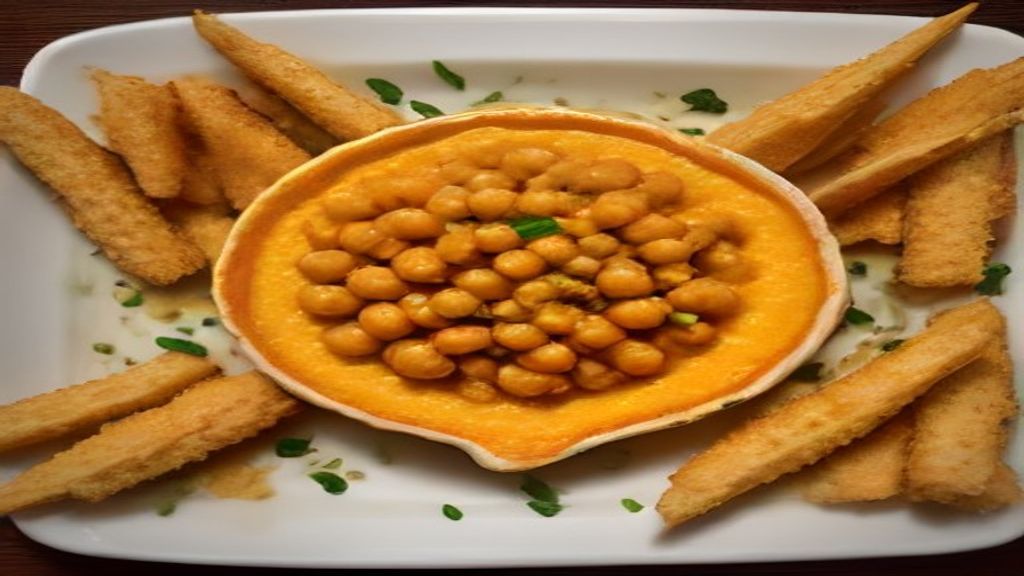
What is Panisse and why it deserves a place at your table
When we think of Mediterranean cuisine, we often conjure images of olive groves, sun-drenched tomatoes, and fresh seafood. Yet, tucked away in the vibrant streets of Nice, there is a culinary gem that remains a local secret: the Panisse. This rustic delicacy, crafted from chickpea flour, is the embodiment of simplicity. It offers a unique texture—crisp and golden on the outside, yet meltingly soft and creamy on the inside. Beyond its addictive flavor, it is a powerhouse of plant-based protein and fiber, making it an ideal choice for those who value both mindfulness and nourishment.
The Essential Ingredients
Preparing Panisse is an exercise in patience and quality. You do not need a pantry full of gadgets, just a few humble ingredients that, when treated with care, create something extraordinary.
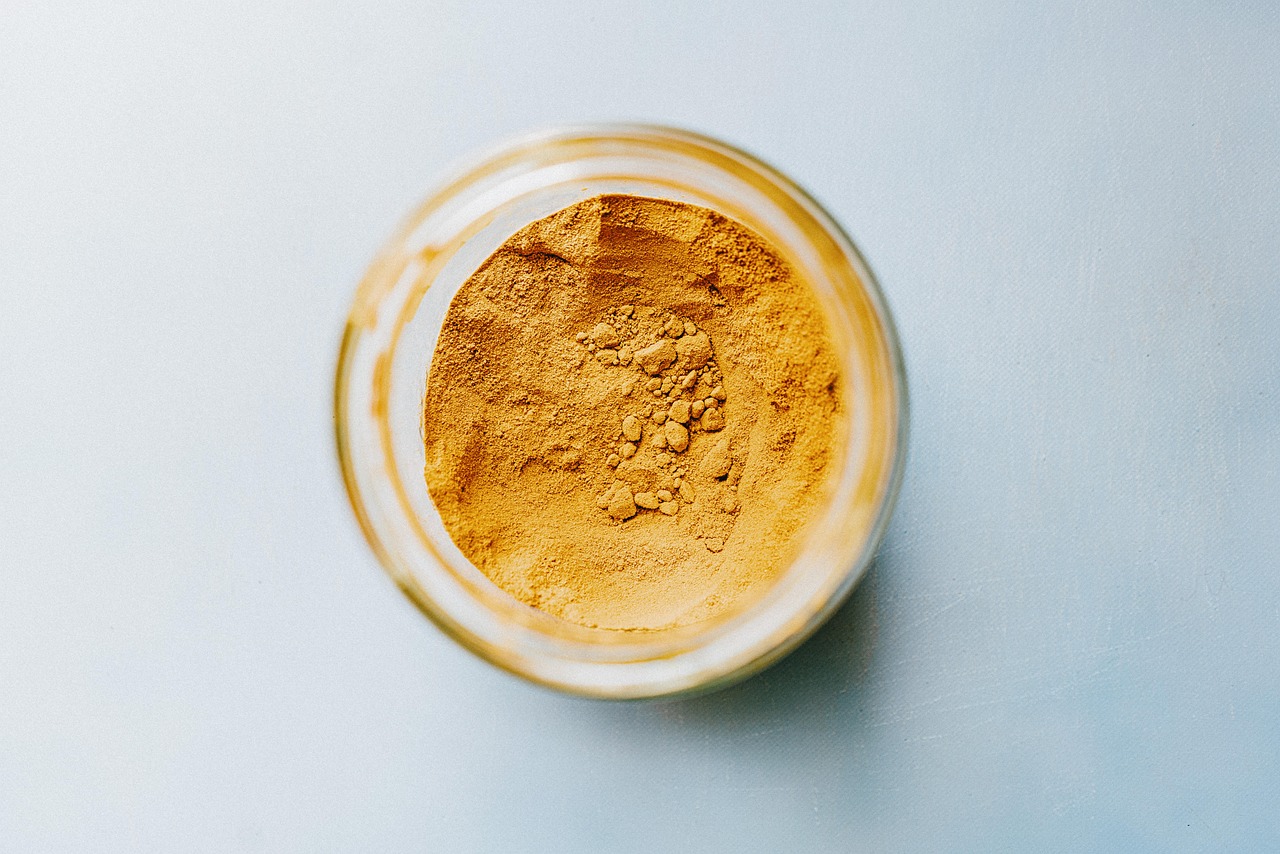
- 200g chickpea flour (gram flour)
- 600ml water
- 2 tablespoons extra virgin olive oil
- 1 teaspoon sea salt
- A pinch of freshly cracked black pepper or dried rosemary
- Olive oil for frying
The Ritual of Preparation: Step-by-Step
The process of making Panisse is rhythmic and meditative, similar to the preparation of a fine polenta. The goal is to create a smooth, thick batter that sets perfectly into a sliceable block.
- In a large saucepan, whisk the chickpea flour, salt, and water together, ensuring there are no lumps remaining.
- Place the pan over low-medium heat and cook, stirring constantly with a wooden spoon. The mixture will thicken significantly and begin to pull away from the sides of the pan—this usually takes about 10 to 15 minutes.
- Stir in the olive oil and your chosen herbs.
- Pour the thick mixture into a greased rectangular container or loaf pan. Smooth the top and allow it to cool completely to room temperature. Once cooled, place it in the refrigerator for at least one hour to firm up.
- When ready, slice the set block into strips or triangles and pan-fry them in hot olive oil until they achieve a deep, golden-brown crust.
The secret to perfect Panisse is the chilling time. Do not rush this step; the cooling process allows the starches to set firmly, ensuring that your golden sticks remain intact and perfectly crisp during the frying phase.
Serving Suggestions and Variations
Panisse is best enjoyed hot, straight from the pan, sprinkled with a pinch of flaky sea salt and perhaps a dusting of fresh parsley. For a complete Mediterranean experience, serve them alongside a crisp garden salad, a dollop of zesty lemon-yogurt dip, or even a drizzle of high-quality honey for a savory-sweet contrast. These golden treasures are the perfect conversation starter for a cozy evening, providing a wholesome alternative to conventional snacks.
Integrating this dish into your repertoire is more than just cooking; it is an invitation to slow down and appreciate the beauty of simple ingredients. By choosing chickpea flour, you are fueling your body with slow-releasing energy while indulging in a culinary tradition that has stood the test of time. Bring the warmth of the Riviera into your kitchen and savor the golden glow of a perfectly fried Panisse.