The Artisan Rosemary Focaccia: A Ritual of Slow Fermentation
Why Focaccia is More Than Just Bread
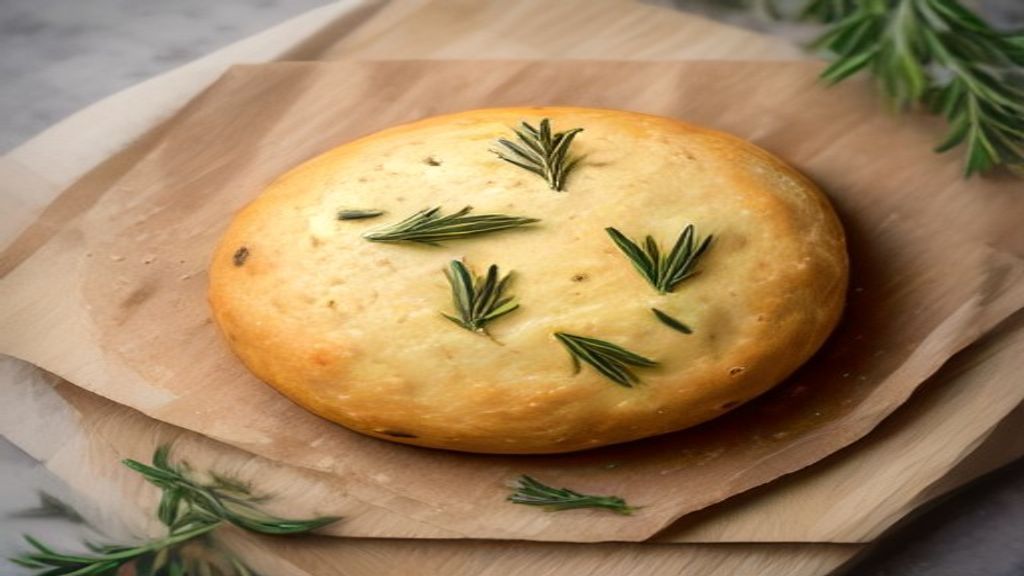
Focaccia is more than a simple Italian flatbread; it is a ritual of patience, warmth, and culinary liberation. Unlike many complex pastries, focaccia invites you to play with the elemental forces of flour, water, and olive oil, resulting in a soft, airy crumb and a distinctively dimpled crust. When you begin to knead the dough, you are connecting with centuries of artisan tradition, turning humble pantry staples into a fragrant, golden loaf that anchors a meal.
The true secret to this recipe lies in the slow fermentation. We do not rush the process; we allow the dough to develop in the cool sanctuary of the refrigerator, which coaxes out deep, complex flavors that quick-rise breads simply cannot achieve. The result is a bread with a shatteringly crisp crust and an interior that is as light as a summer cloud. It is a sensory experience that grounds you in the present moment, reminding us that the best things in life often require a little time to bloom.
The Essential Ingredients
- 500g high-quality bread flour
- 400ml lukewarm water
- 10g fine sea salt
- 7g instant dry yeast
- 50ml extra-virgin olive oil
- Fresh rosemary sprigs
- Flaky sea salt for finishing
The Method: A Step-by-Step Guide
- In a large bowl, whisk together the flour, salt, and yeast. Gradually pour in the lukewarm water, mixing until a shaggy, sticky dough forms. Do not be tempted to add more flour; the high hydration is key to the open crumb.
- Let the dough rest for 30 minutes. Then, perform a series of 'stretch and folds' by pulling the edges of the dough toward the center. This strengthens the gluten network without the need for intense kneading.
- Cover the bowl and place it in the refrigerator for 12 to 24 hours. This is the 'secret' stage where the magic happens, allowing the yeast to ferment slowly and develop a rich, sourdough-like depth.
- Remove the dough from the fridge and transfer it to a generously oiled baking tray. Let it proof at room temperature for about 2 hours, allowing it to stretch naturally across the pan.
- Using your fingertips, press deep dimples into the dough, creating the classic focaccia texture. Drizzle with more olive oil and scatter the rosemary and flaky sea salt over the surface.
- Bake in a preheated oven at 220°C (425°F) for 20-25 minutes, or until the top is deeply golden and the bottom is crisp.
The best focaccia is one made with intention and without haste. Each dimple you press into the dough is a small vessel for olive oil, which fries the surface as it bakes, creating a contrast of textures that is nothing short of heavenly.
Serving Suggestions and Variations
Focaccia is at its best served warm, accompanied by a small bowl of quality extra-virgin olive oil and a splash of aged balsamic vinegar. It also makes for an extraordinary foundation for sandwiches; simply slice it horizontally and fill it with creamy burrata, salty prosciutto, and sun-ripened tomatoes. If you are feeling adventurous, consider topping your focaccia with kalamata olives, cherry tomatoes, or even caramelized onions to introduce layers of savory sweetness.
Baking this bread is a wonderful way to pause, breathe, and appreciate the artistry of everyday life. Let your home fill with the earthy aroma of rosemary and toasted wheat, turning a standard afternoon into a celebration of simple, wholesome sustenance.