The Heirloom Hearth: A Slow-Braised Short Rib Ritual for Old Friends
Reclaim the art of unhurried conversation with a rich, tender red wine braised short rib dish designed to be shared slowly over hours of storytelling.
The Anatomy of an Evening Well Spent
There is a specific kind of magic that occurs when the sun dips below the horizon and the kitchen fills with the deep, grounding scent of red wine, aromatics, and slowly caramelizing beef. In our fast-paced lives, the act of cooking for those we hold dear has become a radical act of love. This ritual, centered around the slow-braise, is not merely about sustenance; it is an invitation to slow down, to set aside the digital noise, and to sink into the comfortable silence of long-term friendship. The short rib, a cut that demands patience, serves as the perfect anchor for an evening of unhurried connection.
When you commit to a long braise, you are essentially promising your guests that you have set aside your time—the most precious commodity—for them. As the collagen breaks down and the meat becomes butter-tender, your home transforms into a sanctuary. This is not a meal to be rushed. It is a meal that unfolds, much like the stories told between old friends, layer by layer, revealing depths of flavor that can only be achieved through time and intention.
The Ritual Ingredients
To prepare this dish for four to six friends, gather the following components. Quality matters here, particularly with the wine and the beef, as they form the backbone of your sauce.
- 4-5 lbs bone-in beef short ribs, well-marbled
- 2 tablespoons high-quality olive oil or avocado oil
- 1 large yellow onion, finely diced
- 2 large carrots, peeled and diced
- 2 stalks celery, diced
- 4 cloves garlic, smashed but kept whole
- 2 tablespoons tomato paste
- 1 bottle (750ml) dry, full-bodied red wine like Cabernet Sauvignon or Syrah
- 2 cups beef bone broth
- 3 sprigs fresh thyme and 2 sprigs rosemary
- 2 dried bay leaves
- Kosher salt and freshly cracked black pepper
The Slow-Braising Process
- Preheat your oven to 325°F (165°C). Pat the short ribs completely dry with paper towels. This is crucial for achieving a deep, mahogany crust during the searing process. Season them generously on all sides with salt and pepper.
- In a large Dutch oven, heat the oil over medium-high heat. Sear the short ribs in batches, ensuring they do not crowd the pan. You want a dark, uniform crust on every side. Remove the ribs and set them aside on a plate.
- Lower the heat to medium. Add the onions, carrots, and celery to the residual fat in the pot. Sauté until the vegetables are soft and beginning to brown, about 8-10 minutes. Stir in the tomato paste and cook for 2 minutes to deepen its flavor.
- Deglaze the pan by pouring in the red wine, scraping up the browned bits—the fond—from the bottom of the pot with a wooden spoon. Allow the wine to simmer and reduce by half, which concentrates the acidity and fruit notes.
- Return the short ribs to the pot along with the bone broth, thyme, rosemary, and bay leaves. The liquid should come about two-thirds of the way up the sides of the ribs. Cover with a heavy lid and transfer to the oven.
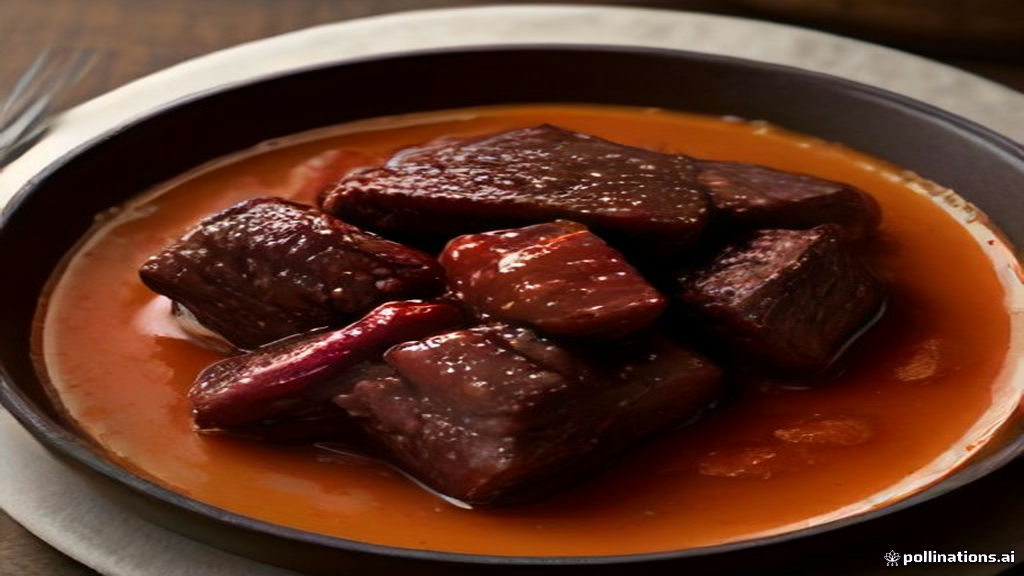
- Braise for 3 to 3.5 hours. The ritual is complete when the meat pulls away effortlessly from the bone with a fork.
The secret to a truly memorable braise lies in the rest. Once the pot comes out of the oven, let it sit, covered, for at least 20 minutes. This allows the meat to reabsorb the juices, ensuring every bite is succulent and tender.
Serving and Connection
When you are ready to serve, skim any excess fat from the surface of the sauce. If the sauce feels too thin, strain the solids, place the liquid back on the stove, and reduce it until it coats the back of a spoon. Serve the ribs over a bed of creamy, buttery polenta or garlic-infused mashed potatoes, which act as the perfect canvas for the glossy, dark reduction.
Pair this dish with the same wine you used for the braise. As you serve, place the pot in the center of the table, encouraging guests to help themselves. The warmth of the dish, combined with the shared effort of the meal, creates a natural environment for vulnerability and laughter. Consider serving this alongside a simple, crisp bitter green salad with a bright lemon vinaigrette to cut through the richness of the beef.
Whether you choose to add a touch of star anise for a warmer spice profile or throw in a handful of pearl onions toward the end of the cooking time, the foundation remains the same: a focus on patience. As the evening winds down, remember that the most important ingredient was not the wine or the herbs, but the presence of those around your table. This ritual is a reminder that the best things in life, like the best meals, are never meant to be rushed.