The Philosophy of the Broken Game Controller: Why We Keep Our Dead Tech
We all have that one controller buried in a drawer—the one with the sticky analog stick or the unresponsive trigger. Why do we keep it?
The Allure of the Dusty Peripheral
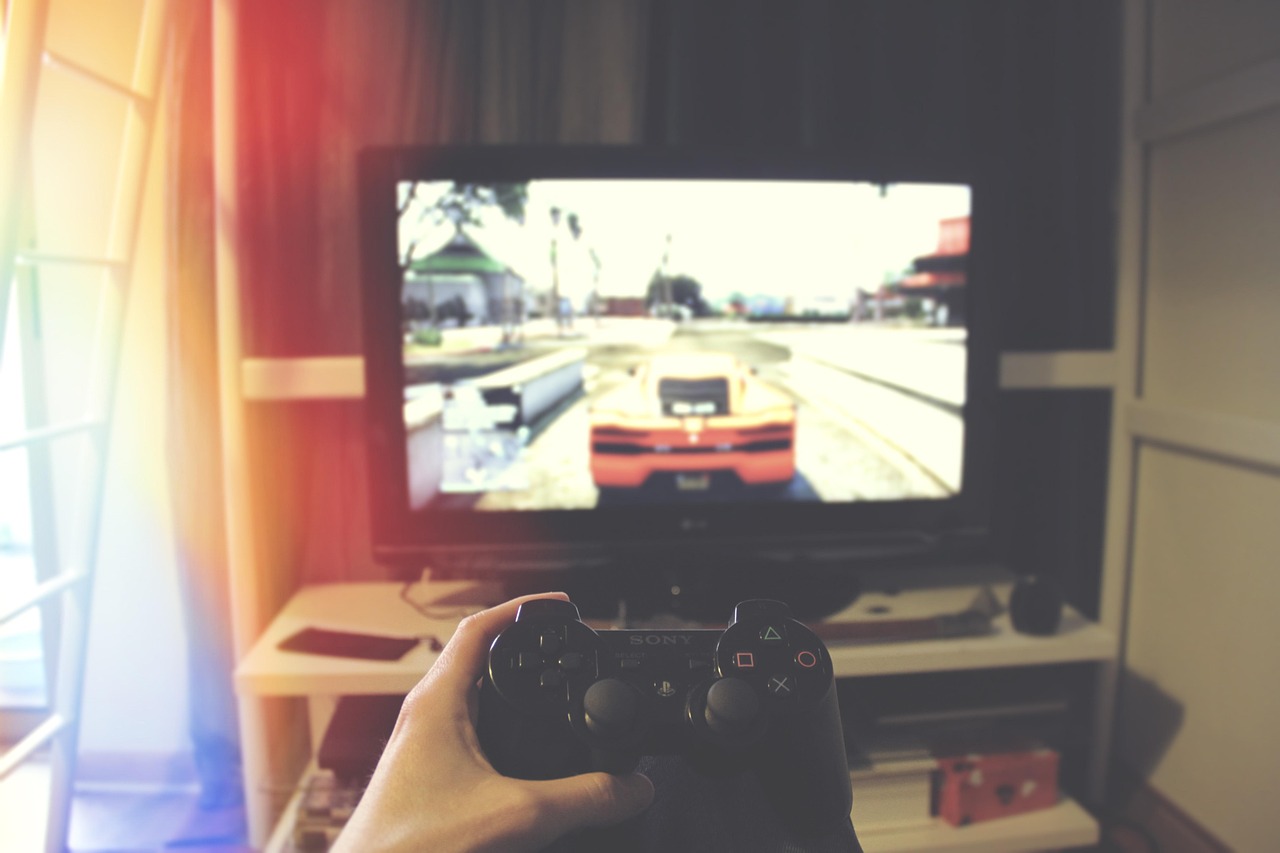
We all have that one device—dust-covered, disconnected, and technically useless. It sits at the bottom of a junk drawer, nestled beside a tangle of frayed charging cables and a few dead batteries. It is the broken game controller. Logic dictates that it belongs in the trash, yet we hesitate. We keep it not because we harbor a sincere, misguided hope that we will eventually solder a new circuit board, but because it has become a totem of our past experiences.
Every scuff on the analog stick, every slight depression in the 'A' button, tells a silent story. Those were the nights spent grinding through the most brutal boss fights, or the raucous local multiplayer sessions that ended in cheers or bitter rivalries. These objects have transcended their purpose as input devices; they have become the physical anchors for memories that might otherwise drift away into the digital ether.
The Scars of Virtual Battles
A controller that has ceased to function is, in many ways, a war veteran. We often forget that our virtual triumphs leave real-world imprints. The repetitive motion of our thumbs, pressed against plastic for hundreds of hours, wears down the casing into a unique topography that belongs to no one else. It is a map of our habits, our intensity, and our dedication.
Our kept, broken objects are the maps of our identity, physical manifestations of where we chose to spend our most finite resource: time.
This is a form of archaeology. When we hold that defunct controller, we aren't just holding plastic and springs; we are holding the phantom sensation of a victory lap or the frustration of a sudden game-over screen. It is a piece of our history that we are reluctant to discard because throwing it away feels like throwing away the version of ourselves that lived through those games.
The Weight of Unfinished Potential
We often keep things that represent 'what could have been.' It is a curious psychological phenomenon: we fear closing the loop on something that once provided us with joy or community. A broken controller often represents the games we never finished, or the social bonds we forged in virtual lobbies that no longer exist. It is a placeholder for a specific time in our lives when our biggest concern was the health bar on our screen.
- Preserving the emotional resonance of past hobbies.
- Materializing memories that are otherwise intangible.
- The struggle to detach from 'open loops' of our personal history.
Ultimately, the value of the object is no longer found in its ability to translate a button press into a digital action. The value lies in the narrative weight it carries. These 'dead' items serve as anchors, keeping us tethered to the versions of ourselves we have moved past but still cherish. They are reminders that even our failures and the decay of our possessions are integral parts of our journey.
Perhaps it is time to stop viewing these remnants as clutter and start seeing them as bookmarks in the story of our lives. You don't have to fix the controller to honor what it meant to you. Sometimes, the most meaningful items are the ones that no longer function, yet tell you everything you need to know about where you have been.