The Forgotten Alphabet of the City Sidewalk: What Cracks Really Tell Us
We tend to view sidewalks as purely functional objects—concrete ribbons designed to carry us from point A to point B. However, if you stop and look beneath your feet, you will notice something that rarely captures our attention: a complex web of cracks, moss, and weathered patches. This is the city's unwritten alphabet, a record that documents the passage of time, the impact of the seasons, and the quiet wear and tear of urban life.
Cracks as Diagrams of Time
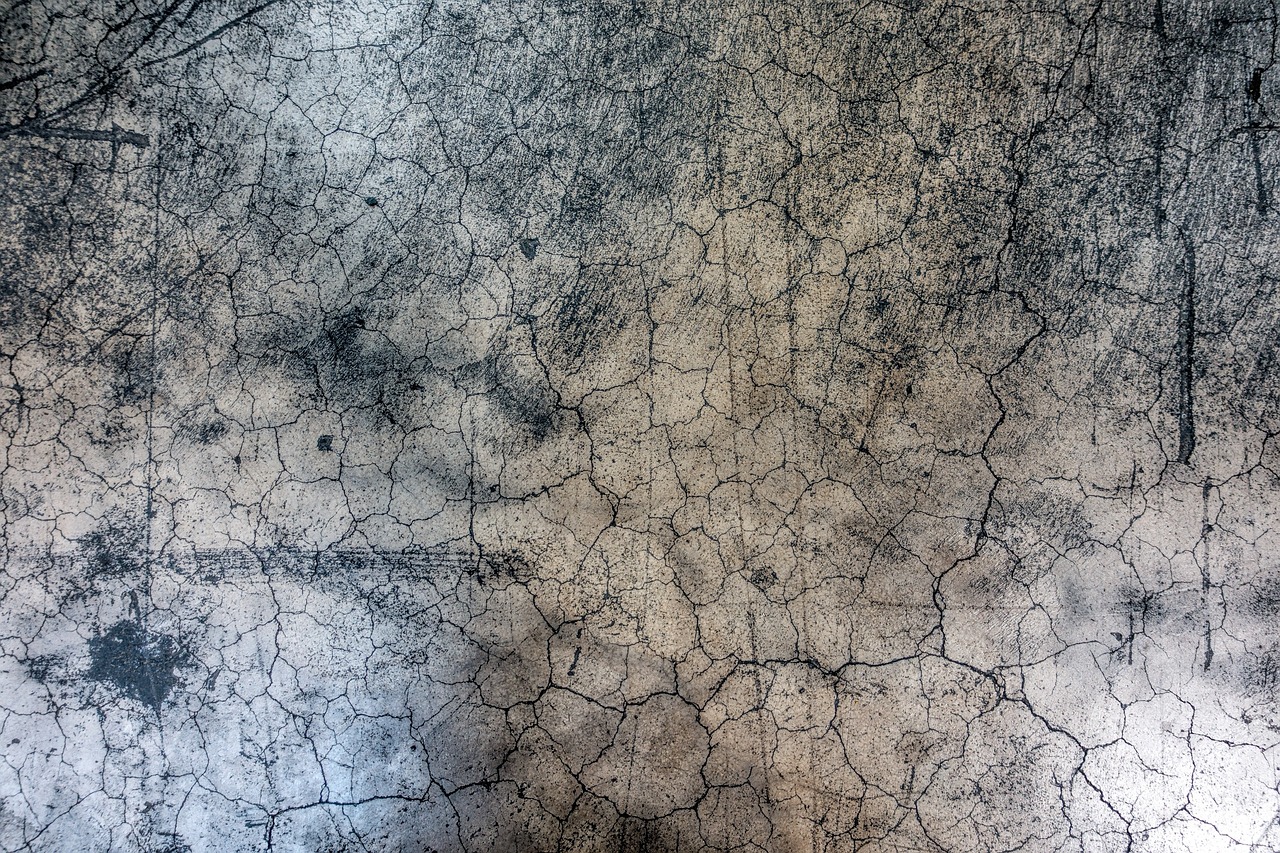
Every crack on a sidewalk holds its own specific history. They are not random; they are the result of an ongoing dialogue between nature and human engineering. When water seeps into the pores of concrete and then freezes, it forces the material to expand, leading to the creation of those intricate, branched patterns we see etched into the ground.
We often ignore these patterns, but they serve as a reminder that the city is a living organism. It breathes, expands, and contracts alongside the temperature. These cracks are the most accessible form of urban archaeology, available to all of us without the need for museum tickets or guided tours.
A crack is not merely a break; it is the concrete's memory of every footstep, every freeze, and every summer heatwave it has endured over the years.
Moss and the Invisible Greening
When human foot traffic slows down, the cracks in the sidewalk begin to be colonized. Moss, tiny grasses, and lichens find their home in these concrete fissures, creating microscopic forests. These tiny ecosystems remind us that nature is always reclaiming its space, even in the most inhospitable, paved environments.
It is fascinating to observe how these plants adapt to city conditions. They do not grow randomly; they select the cracks where humidity and sunlight are perfectly balanced. This is a lesson in urban resilience that we can learn by observing these tiny forms of life that thrive in the margins of our infrastructure.
The Layers of Pavement Past
Sometimes, when a sidewalk is damaged, we can glimpse the layers beneath: old bricks, gravel, or even antique cobblestones that remain from the efforts of previous generations. This is urban stratigraphy, showing us how the modern city is built upon the ruins and the foundations of the past.
- Cobblestones hidden beneath layers of modern asphalt.
- Patchwork repairs from different decades, visible in the varying shades of concrete.
- Utility conduits that mark the invisible skeleton of the city's plumbing and wiring.
These layers remind us that our present is just a short chapter in the city's long history. Each layer has its own story—whether it was a hasty repair during a period of crisis or a deliberate beautification during a time of economic boom. By reading these surfaces, we connect with the labor and the lives of those who walked these streets long before us.
Next time you head out for a walk, try not to look only at the horizon. Cast your gaze downward to the sidewalk. You will be surprised by how rich it is with stories waiting to be discovered. These small details teach us to pay attention to our environment and to find beauty and narrative in even the most mundane, overlooked things.