The Bioluminescent Language of the Deep: What We Can Learn from Speaking in the Dark
Secrets Pulsing in the Void
Imagine a world where sunlight never penetrates and the pressure is enough to crush a submarine. This is the bathypelagic zone, the Earth's largest and least explored ecosystem. In this absolute darkness, life has evolved a unique mode of communication: bioluminescence. It is not merely a pretty glow; it is a sophisticated, high-stakes language that functions as a weapon, a lure, and a desperate plea for connection.
We often assume that communication requires noise, syntax, or digital pings. However, the denizens of the deep ocean remind us that the most profound messages are often delivered through silence and the rhythmic pulses of light. In a place where visual stimuli are scarce, every flicker carries immense weight and clarity.
Bioluminescence as a Strategic Tool
In deep waters, light is a survival strategy. Some creatures use it to hunt, while others use it to confuse predators or signal potential mates. It is a miracle of biological engineering, where chemical reactions are harnessed to create visual signals that cut through the gloom. It is the ultimate form of 'targeted' messaging.
- Lures: Anglerfish use glowing filaments to draw in unsuspecting prey, turning light into a predatory beacon.
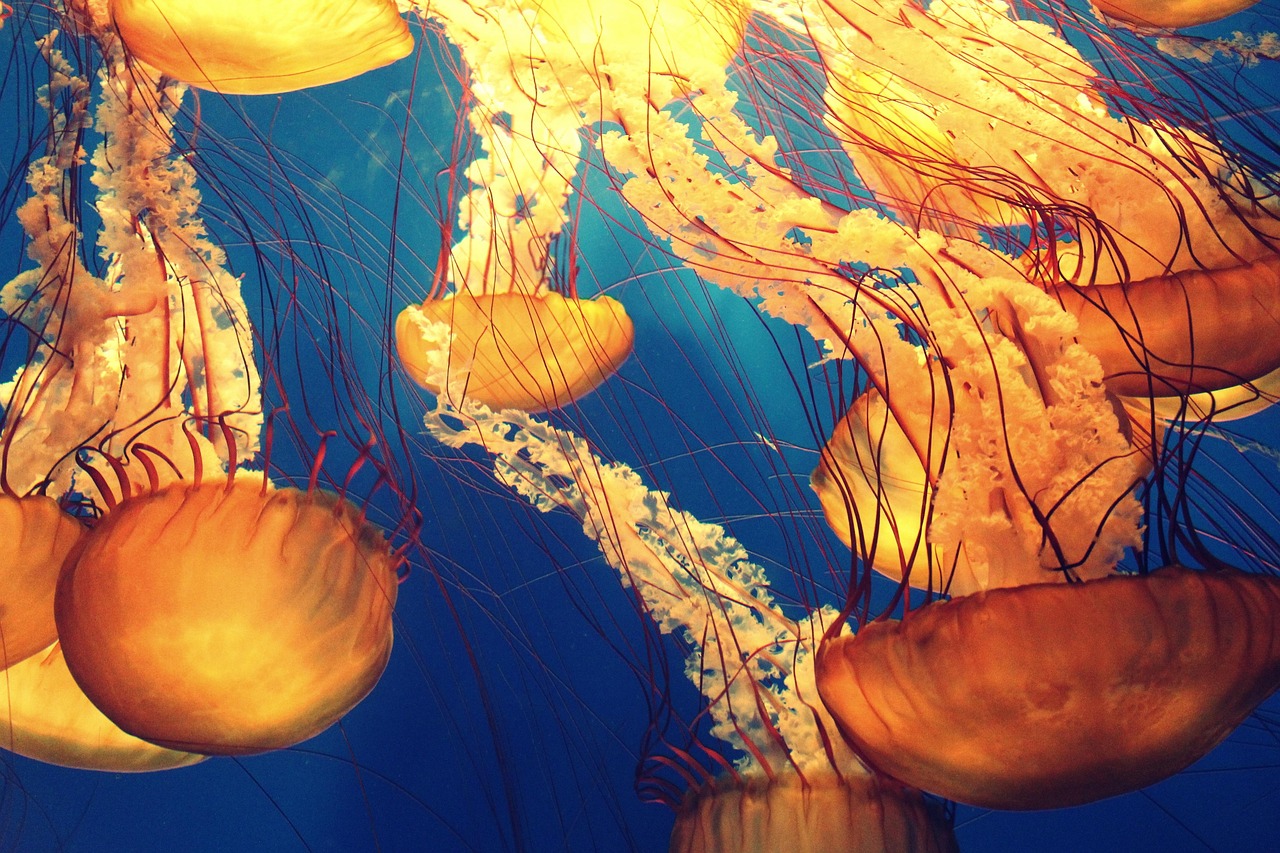
- Defensive Bursts: Certain jellyfish release bioluminescent clouds to startle predators, creating a momentary distraction that allows for a swift escape.
- Mating Codes: Light frequencies are used to identify members of the same species in the vast expanse of the midnight zone, ensuring that they don't waste energy on the wrong targets.
Our greatest modern folly is believing that more noise equates to better communication, while the deep ocean teaches us that light is only meaningful when it is purposeful and precise.
Weaving the Invisible Web
The interactions between these creatures resemble our own social networks. We, too, flash our 'lights'—our curated photos, our professional achievements, our public moods. However, unlike the creatures of the deep, our signals are often noisy, distorted, or intentionally deceptive. We clutter the airwaves with vanity, losing the signal in the static.
The language of the deep ocean is remarkably honest. If a creature glows, it means something specific: danger, food, or a need for companionship. There is no irony, no pretense, and no filler. It is a pure, functional exchange rooted in necessity. It strips away the performative nature of communication and brings us back to the core intent behind our desire to be seen.
What We Can Bring to the Surface
We can learn to 'glow' only when it truly matters. In our daily lives, we often burn through our internal energy, shining brightly for things that do not serve us. The silent teachers of the deep remind us that our internal light is a finite resource. To be heard in the modern chaos, we do not need to shout louder; we need to pulse with greater intention.
Perhaps it is time to stop the constant background noise and start paying closer attention to the light signals of those around us. After all, the most beautiful messages aren't always the loudest—they are the ones that illuminate the dark corners of our shared reality, providing clarity where there was once only confusion.