The Architecture of the Unopened Book: Why We Hoard Our Unread Potential
Those books gathering dust on your shelf aren't clutter; they are an architectural blueprint of the person you intend to become.

Books as Spaces of Waiting
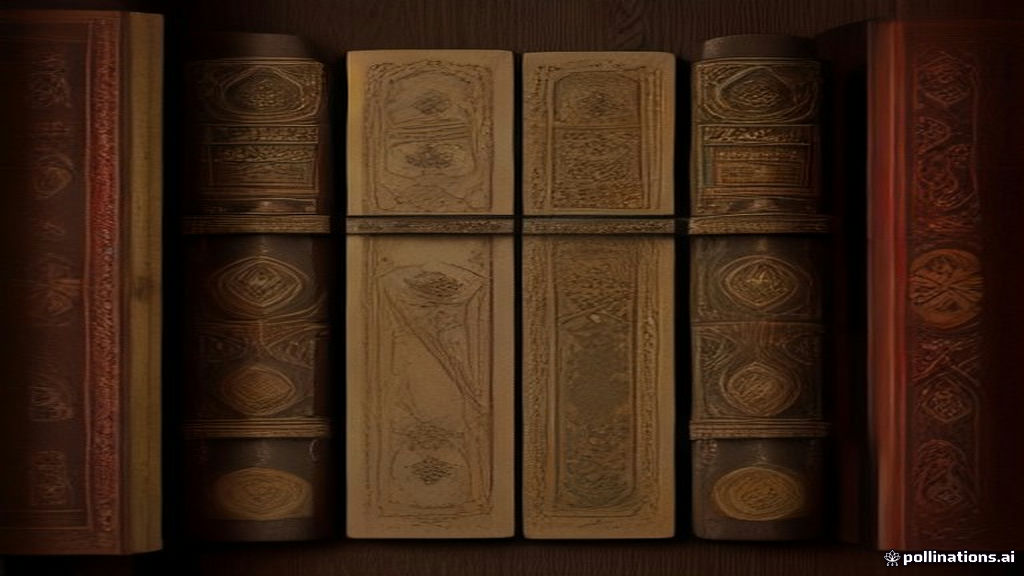
We all have them: the stack of books on the nightstand, the row of pristine spines on the shelf that haven't been touched in years, and the impulse purchase that sits on the desk as a silent, paper-bound challenge. In our hyper-productive culture, we are taught to view these unread volumes as evidence of our failure to prioritize, or as clutter that needs to be cleared. But there is a deeper, more poetic way to view the architecture of the unopened book.
The Japanese have a word for this: tsundoku, the act of acquiring reading materials and letting them pile up in one’s home. Far from being a vice, I argue that this is a deliberate, if subconscious, act of curation. These books act as placeholders for our future selves. They are not merely objects; they are promises we have made to our intellectual evolution, waiting for the precise moment when our curiosity and our capacity for understanding finally align.
The Library as Potentiality
Every unread book is a dormant garden. When you buy a book, you are not just purchasing paper and ink; you are buying the possibility of a conversation. You are inviting an expert, a storyteller, or a philosopher into your home to wait patiently on your shelf until you are ready to listen. This is the architecture of potentiality. Your bookshelf is not a graveyard of intentions; it is a reservoir of future insights.
A private library is not a luxury, but a necessity. It is the space where we store the questions we have not yet found the courage to ask, and the answers we are not yet ready to hear.
By keeping these books visible, we are essentially mapping out our own intellectual landscape. We are creating a physical environment that reminds us of the vastness of the world, even on days when we feel trapped in the mundane. The presence of these books tells us that there is always more to learn and more to experience.
The Fear of the First Page
Why do we delay? Often, it is not a lack of time, but a subtle, deep-seated fear of the first page. To open a book is to enter into a dialogue that will inevitably change you. We hesitate because we know that once we begin, we can never return to the state of ignorance we occupied before. The unread book is a safe, static object, while the read book is a volatile force that reshapes our perception.
- The Illusion of Readiness: We wait for the 'perfect' time or mood, which rarely arrives.
- The Fear of Disappointment: We worry that the book might not live up to the promise we projected onto it.
- The Burden of Depth: We recognize that certain books require a level of attention we currently lack.
Living Among Our Future Selves
So, do not feel guilty about the growing pile of unread books. Instead, view them as the architecture of your future. They are the artifacts of your curiosity. Every book on your shelf is an open door to a version of yourself that is more informed, more empathetic, and more complex. If you keep them, you are keeping a physical manifestation of your own potential.
The next time you look at that stack, don't see unfinished chores. See them as a curated collection of invitations. You don't have to read them all today. The magic lies in the fact that they are there, waiting for you to grow into them. Ultimately, the most important takeaway is this: the unread book is not a sign of what you haven't done, but a sign of what you are still capable of becoming.