The Archaeology of the Dead Houseplant: Why We Keep Our Botanical Failures
The Silent Tenant on the Windowsill
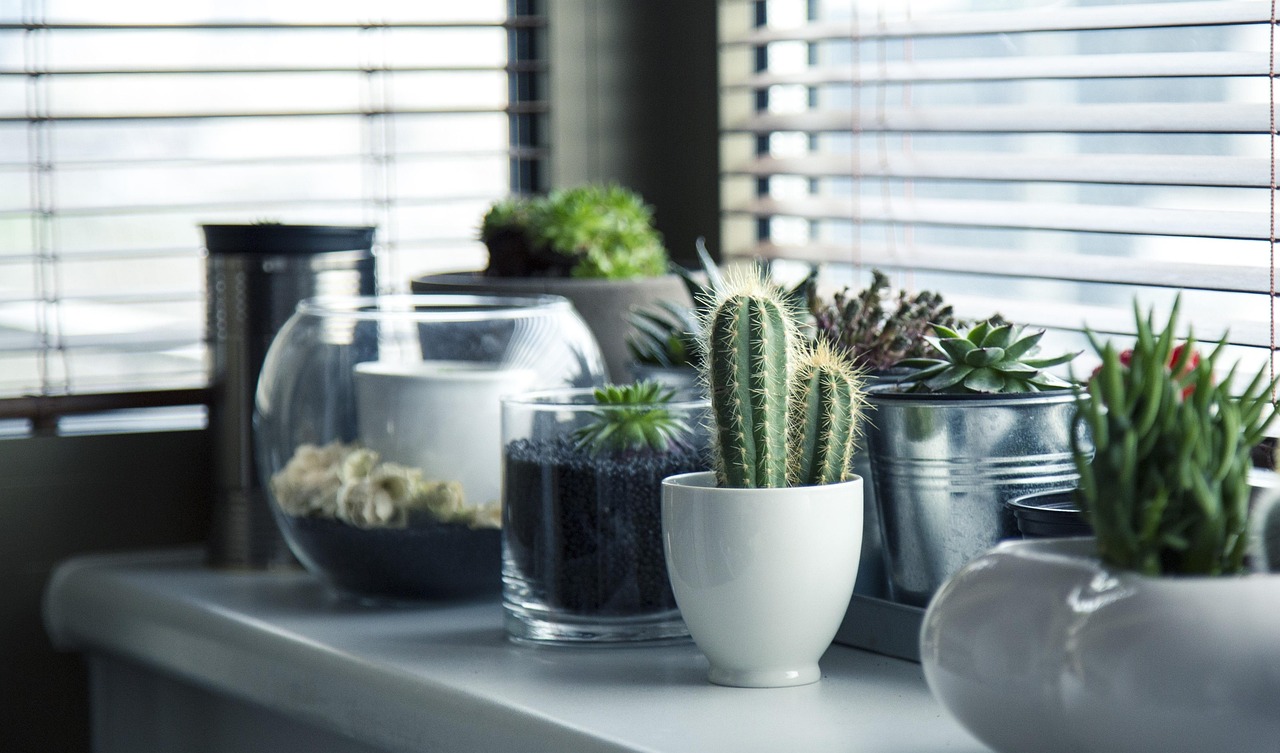
There is a specific kind of melancholy that lives in the corner of a living room. It usually takes the form of a ceramic pot containing nothing but a brittle, skeletal stem reaching toward a sunbeam it can no longer process. We look at it every day, we water it with a vague, performative guilt, and yet, we cannot bring ourselves to toss it into the compost bin. It is a dead houseplant, a botanical fossil of an ambition that withered somewhere between a busy work week and a forgotten calendar alert.
Why do we keep these desiccated ghosts of our aspirations? In a world that demands constant productivity and thriving aesthetics, these dead plants serve as silent, stubborn witnesses to our human imperfection. They are not merely trash; they are artifacts of a version of ourselves that genuinely believed, for a few weeks, that we could sustain another living thing.
The Anatomy of Optimism
Every houseplant begins as an act of profound optimism. When you bring home a fiddle-leaf fig or a trailing pothos, you are making a silent contract with the future. You are saying, I am the kind of person who nurtures. I am the kind of person who remembers to check the soil moisture and understands the nuances of indirect sunlight. The plant is a proxy for the person we want to become: steady, attentive, and connected to the rhythms of nature.
When the plant begins to decline, we don't immediately accept the loss. We move it to a brighter spot. We buy a new, expensive organic fertilizer. We research forums to see if yellowing leaves are a sign of overwatering or neglect. We are not just trying to save a plant; we are trying to save our own self-image. To throw the plant away is to admit that the version of ourselves we curated at the nursery was a temporary fiction.
The Burden of the Botanical Archive
There is a strange comfort in the presence of the dead plant. It acts as a grounding rod for our anxieties. It says, 'See? You tried, and it didn't work, and the world didn't end.' In our hyper-curated digital lives, where every photo is filtered and every success is broadcast, the withered stalk is a rare piece of raw, unvarnished reality. It reminds us that mortality is not a failure of character; it is a fundamental property of life.
The death of a plant is perhaps the most honest thing that happens in a modern home. It is a slow, quiet surrender that refuses to be edited out of the frame.
We often keep these pots because they represent a 'maybe.' Maybe a dormant bulb is still alive beneath the surface. Maybe a tiny green shoot will emerge if we just wait a little longer. It is a form of hope that defies the evidence of our eyes, a stubborn refusal to accept the finality of a brown leaf.
The Ritual of Letting Go
Eventually, the space the pot occupies becomes too heavy. The dust settles on the brittle twigs, and the pot itself begins to feel like a tombstone for a hobby that never quite took root. The act of finally clearing the shelf is a profound psychological ritual. It is the acknowledgement that we cannot be all things to all living beings, and that is okay.
- Assess the plant: Is there any green left in the stem?
- Accept the reality: It is not coming back.
- Reframe the memory: Acknowledge the intention, not the outcome.
- Clear the space: Use the pot for something else, or start fresh.
When you finally dump the dirt and rinse the pot, you aren't just cleaning a shelf; you are clearing a space for a new, perhaps more realistic, version of yourself to exist. It allows you to move forward without the heavy weight of 'what if' hanging over your window.
A Lesson in Impermanence
The takeaway from our graveyard of dead houseplants is simple: life is messy, and our attempts to master it are often doomed to fail. We don't have to be perfect stewards of nature to be worthy. Sometimes, the most important part of the cycle is learning when to let go so that the soil can eventually be used for something else. Stop tending to the ghost of your past efforts and give yourself permission to start with a clean pot and a fresh perspective.