The Archaeology of the Stray Staple: Why We Hoard Our Office Scraps

The Unseen Monument of the Office Desk
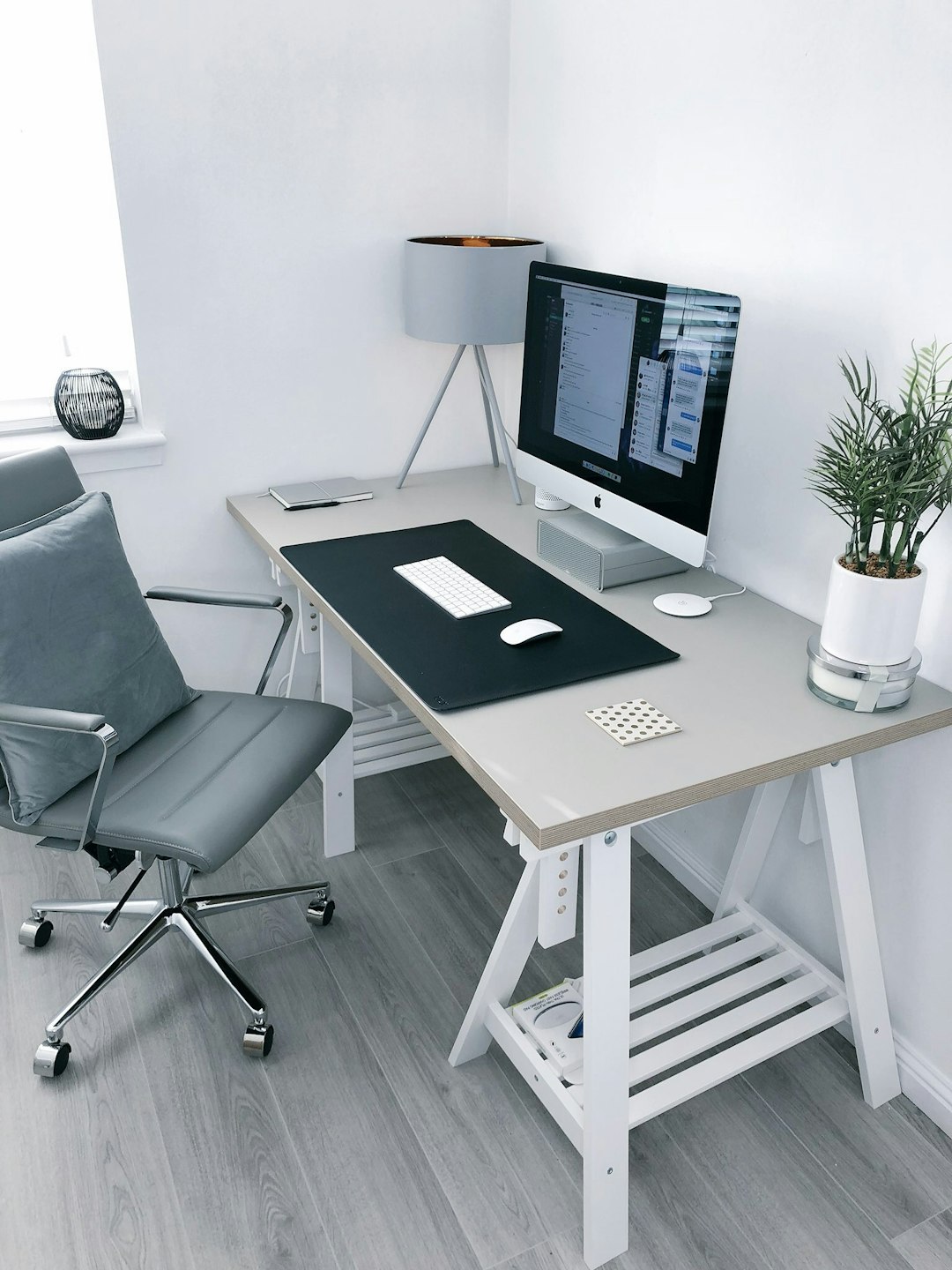
Our desks are graveyards of intention. Among the coffee stains and the half-finished notes lie the smallest artifacts of our professional existence: the stray staples. These tiny, twisted slivers of metal, rejected by the stapler or pulled from a discarded document, are the most honest remnants of our labor. When we find one, we aren't just finding clutter; we are finding a fossilized moment of our own productivity.
We rarely throw them away immediately. They migrate to the corners of keyboards, the bottom of drawers, and the crevices of mousepads. This archival behavior suggests that we view these scraps as proof of life. They are the physical residue of a day spent organizing, binding, and attempting to impose order on a chaotic stream of information. They are the confetti of our daily grind.
The Fetish of Organization
We hoard staples because they represent the elusive ideal of structure. In a digital world where files exist in a cloud and emails vanish into archives, the staple is a tangible anchor. It represents a physical commitment. When we bind two pages together, we are creating a union, a definitive statement of order. Even a bent, unused staple retains the potential for that connection, which is why we struggle to discard it.
- Staples as symbols of professional accomplishment.
- The collection of office debris as a coping mechanism for stress.
- Visual markers of the transition from chaos to order.
Our work habits are often written not in the grand reports we finish, but in the tiny, discarded debris that litters our immediate environment. We are the archaeologists of our own daily toil.
The Philosophy of the Imperfect Bind
Sometimes, we find staples that were crushed in the act of stapling—bent, mangled, and ultimately useless. These are the most poignant artifacts. They represent the friction of work: the moment the machine jammed, the paper was too thick, or our patience wore thin. These "failures" are monuments to the reality that work is rarely perfect. Keeping them is an admission that we value the process, including its messy, frustrating interruptions.
These bent staples serve as a reminder that we are constantly negotiating with our tools. They are the physical evidence of our daily struggles against entropy. By keeping them, we are acknowledging that our labor is not just about the final output, but about the thousands of small, often failed attempts to hold our world together.
The Weight of the Trivial
Why do we keep these digital ghosts of the paper age? Perhaps because they are grounded. In a life of flickering screens and intangible tasks, a piece of bent metal is a constant. It has mass. It occupies space. It is a souvenir of a moment where we felt the urge to make something stick.
The next time you find a stray staple on your desk, pause before you brush it into the trash. Recognize it for what it is: a tiny, metallic witness to your endurance. It is a sign that you were here, that you were working, and that you were trying to piece the world together, one staple at a time.