The Archaeology of the Foreign Coin Jar: Why We Hoard Our Economic Souvenirs
We all have that one jar tucked away, filled with clinking reminders of borders crossed and currencies that no longer buy a coffee. Why do we keep them?
The Weight of Idle Currency
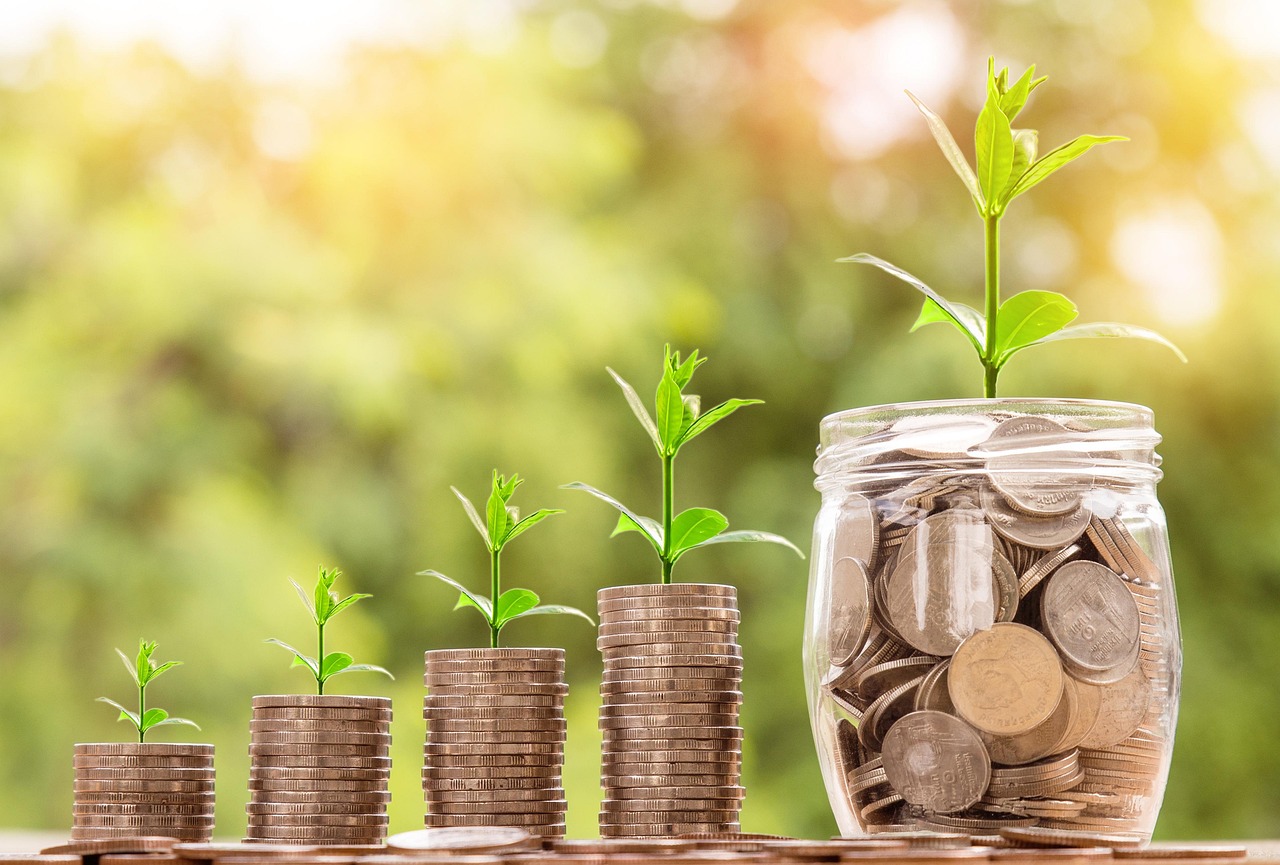
Walk into almost any home, and you will eventually find it: a ceramic mug, a dusty glass jar, or a decorative tin tucked into the back of a desk drawer. Inside lies a rattling collection of metal discs—copper, nickel, and brass—that have no functional value in the local economy. These are the foreign coins, the ghosts of past vacations, the remnants of layovers in distant airports, and the physical proof that we were once somewhere else entirely. We rarely spend them, yet we can never quite bring ourselves to toss them into the trash.
This hoarding isn't about fiscal responsibility or preparing for a return trip to a country we haven't visited in a decade. It is a form of tactile archaeology. Every coin represents a moment where our primary currency—the one that buys our groceries and pays our rent—ceased to be relevant. In those moments, we were forced to engage with a different system, a different scale of value, and a different set of faces and monuments stamped onto metal.
The Psychology of the Unspendable
Why does a handful of useless change carry such emotional weight? For many, these coins act as memory anchors. When you hold a 20-cent Euro piece or a weathered Yen coin, the tactile sensation triggers a sensory recall that a digital photo simply cannot match. You remember the heat of the pavement in Rome or the precise rhythm of the subway turnstile in Tokyo. The coin is a physical artifact of a transitional state—the time when you were neither fully at home nor fully immersed in the destination.
There is also a subconscious reluctance to 'liquidate' these memories. To exchange these coins at a currency kiosk or spend them on a final airport trinket feels like a betrayal of the journey. By keeping them, we are essentially keeping the 'potential energy' of the trip alive. We hoard them because they are the last tangible evidence of a version of ourselves that we left behind at the departure gate.
The coin is not just a unit of exchange; it is a souvenir of the friction between two worlds. It is the only thing we bring back that still feels like it belongs to the land we left.
The Taxonomy of the Jar
If you were to empty your jar today, you would likely find a fascinating, disjointed history of your life. There is the 'optimist's layer'—the coins you kept thinking you would save them for next time. There is the 'forgotten transition'—the coins from a country that has since adopted a different currency or undergone massive inflation. And then, there is the 'sentimental weight'—the coins that serve no purpose other than to remind you that you once possessed a small fortune in a currency that felt exotic and new.
- The Currency of Regret: Coins from trips that were cut short or ended in disappointment.
- The Currency of Aspiration: Coins from countries you still dream of returning to.
- The Currency of Chaos: The single, lonely coin from a layover in a country you don't even remember visiting.
The Myth of Future Utility
We often tell ourselves that we keep these coins 'just in case.' We imagine a scenario where we find ourselves back in a bustling plaza in Madrid or a corner shop in Bangkok, and suddenly, those three coins we saved will be the difference between a crisis and a convenience. It is a charming, if entirely irrational, defense mechanism. We know we will likely never use them, yet the idea of discarding them feels like closing a door we might one day want to walk through again.
This behavior reveals a fundamental truth about how we value our experiences. We treat these metal discs not as money, but as stakes in the ground. They are proof of our movement through the world, a physical manifestation of the idea that we have been 'elsewhere.' In a digital age where travel is increasingly documented through ephemeral screens and cloud storage, these heavy, clinking pieces of metal offer a groundedness that we crave.
Closing the Jar
Perhaps it is time to stop viewing your jar of foreign coins as a pile of useless clutter. Instead, look at it as a private museum of your own movement. Each coin is a small, heavy chapter in your biography. While they may not have any purchasing power at your local bank, they remain some of the most valuable items you own in terms of pure, distilled history. Keep them, display them, or let them rattle—just remember that you aren't hoarding useless metal; you are curating the evidence of a life lived across borders.