The Archaeology of the Dead Plant Pot: Why We Hoard Our Botanical Failures
We all have that one ceramic pot sitting on a shelf, housing nothing but dry soil and a brittle, skeletal stem. Why do we keep these silent monuments to our failed gardening ambitions?
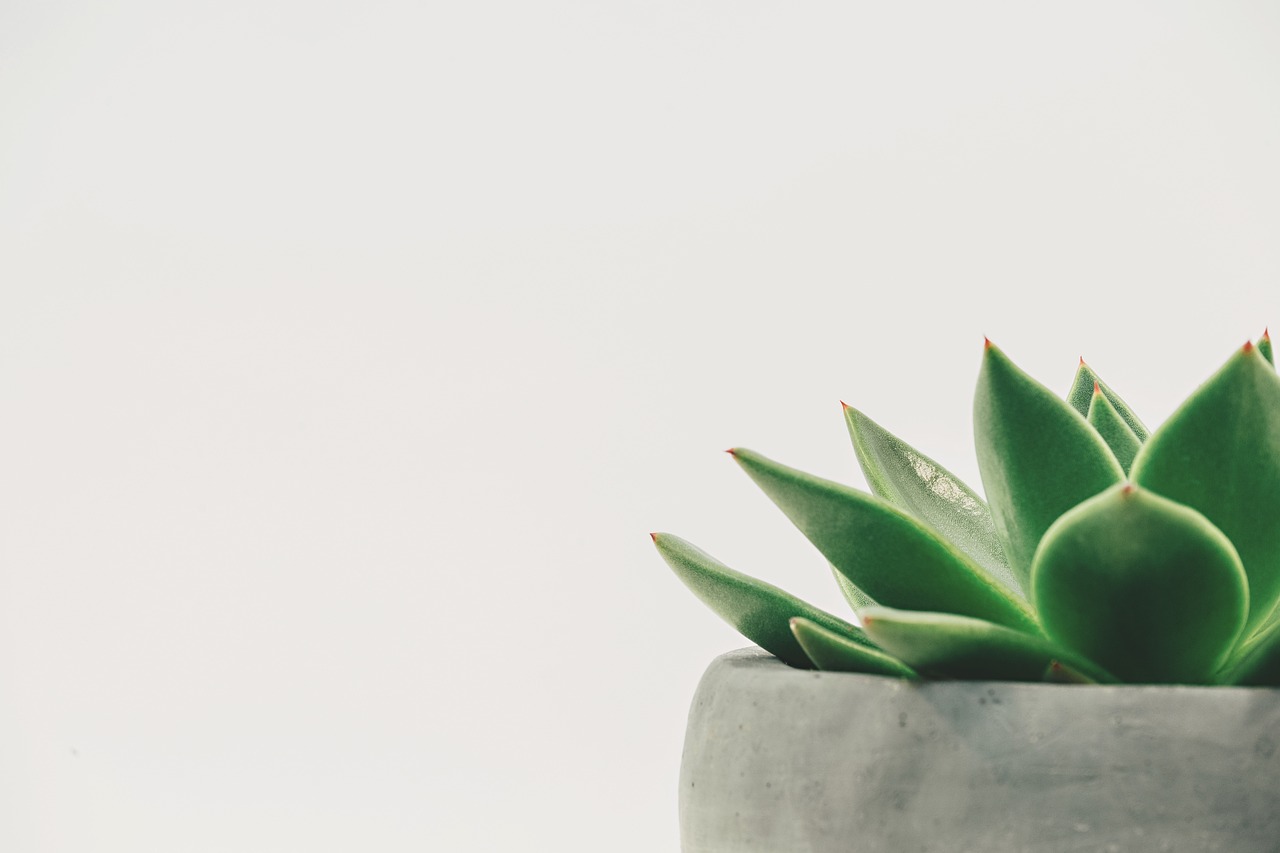
It sits on the windowsill—a terracotta vessel filled with nothing but dust, a desiccated stalk, and the lingering shame of a brown thumb. You promised to water it once a week. You promised to move it into the sunlight when the season changed. But life, as it often does, got in the way. Now, you have a dead plant pot, and for some reason, you just cannot bring yourself to throw it out. It is not just a container; it is a repository of your best intentions and your most relatable failures.
The Weight of Potential
When we buy a plant, we are not just buying a decorative piece of greenery. We are buying a narrative of self-improvement. We imagine a version of ourselves who is nurturing, organized, and attuned to the subtle cues of living things. When the plant eventually dies, the pot remains as a physical artifact of that aspirational self. To discard the pot feels like a final admission that we have given up on that version of ourselves.
The Cycle of Rebirth and Guilt
Many of us hold onto these pots because we are waiting for a "next time." We convince ourselves that eventually, we will buy a new seedling, find the perfect soil, and finally master the art of indoor gardening. This deferred hope turns the empty pot into a placeholder for future success. It is a promise we make to ourselves, a silent contract that says, This failure is temporary.
The empty pot is not a tomb; it is a waiting room. It stands in the quiet corners of our homes, reminding us that nature is cyclical, even if our attention spans are not.
The Aesthetics of Desolation
There is also a strange, melancholy beauty in these abandoned vessels. A cracked ceramic pot, stained by years of mineral deposits and ringed with the ghost of a root system, tells a story of time passing. It is a piece of domestic archaeology. It tracks the movement of sunlight across the room and the changing humidity of our living spaces. We keep them because they ground us in the reality of our environments, even if that reality is a bit withered.
Understanding the Hoard
Why do we keep these dead plant pots, then? It comes down to a few core reasons:
- Identity Preservation: We want to believe we are the kind of people who keep plants alive.
- Economic Conservation: Ceramic pots are surprisingly expensive, and we convince ourselves we might need them for a future project.
- Emotional Anchoring: Some pots were gifts or souvenirs from nurseries we visited on long-ago weekend trips.
- The "Maybe" Factor: The lingering belief that the plant might just be dormant, not dead.
Moving Beyond the Soil
Ultimately, holding onto these pots is a way of processing the small, quiet losses of everyday life. We are sentimental creatures, and we attach meaning to objects that have shared our space for months or years. Whether you finally decide to scrub them clean and start anew or let them sit as a reminder of a lesson learned, remember that the pot is just a shell. Your capacity to start over is the only thing that truly matters.
Takeaway: Your empty plant pot is not a symbol of failure, but a testament to your desire to nurture; let it go when you are ready to start a new chapter, not before.