The Eviction of the Paper Heir
The lock clicked with a finality that sounded like a gunshot in the quiet hallway of my own home. I stood there, clutching a gym bag filled with two sweaters and a toothbrush, staring at the cold, polished brass of the door handle. My brother, Marcus, didn't even look me in the eye when he turned the deadbolt from the inside. He just muttered something about legal title and 'unfortunate necessities.' That was the day I realized that blood isn't thicker than water; it’s just a different kind of solvent, one that dissolves everything you’ve built.
The Cost of a Ghost
For a decade, I had been the silent financier. When our parents passed, the house was left in disarray, burdened by back taxes and a crumbling foundation that threatened to swallow the property whole. I took the job at the shipping docks, working double shifts until my hands were permanently calloused and my back ached with a rhythmic, pulsing throb. I sent every extra penny to Marcus, who was 'managing the repairs.' I trusted him because he was the one who stayed behind, the one who kept the garden trimmed and the porch light on. I never asked for a deed. I never asked for a signature. I just wanted a place to belong.
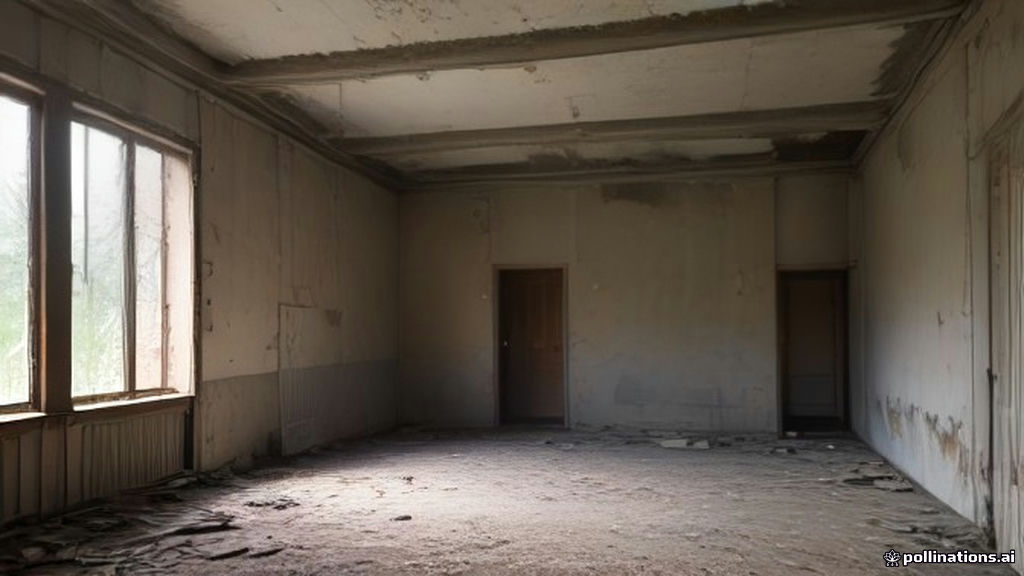
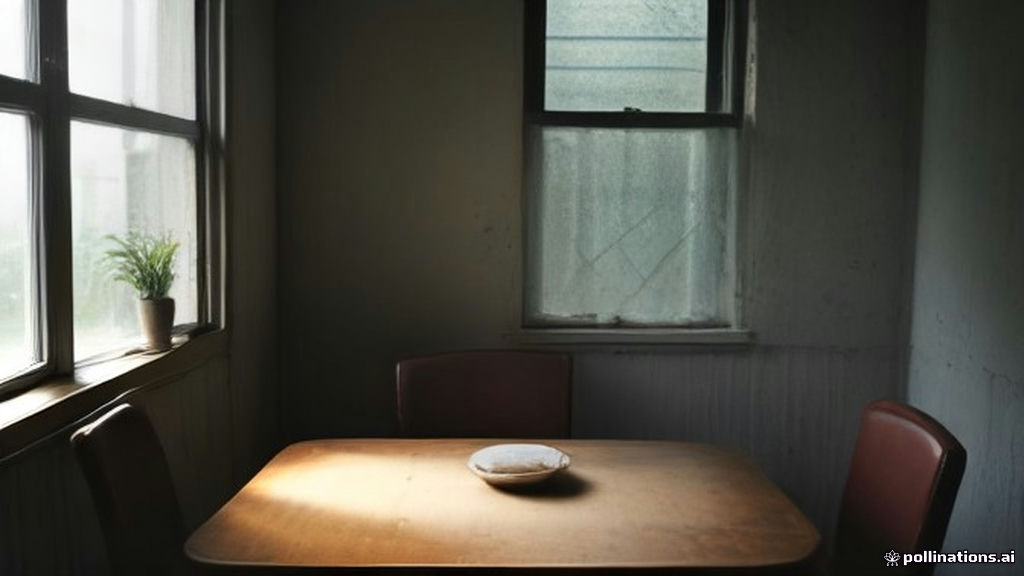
When I finally moved back, the house looked pristine. Fresh paint, renovated kitchen, new hardwood floors that gleamed under the afternoon sun. I walked through the door with my suitcase, ready to finally rest, only to find Marcus and his lawyer sitting at the dining table. They weren't there to welcome me home. They were there to serve me an eviction notice. They claimed that my payments were 'rent' and that the title had been transferred to Marcus’s wife years ago. I stood in the middle of the kitchen, the room I had literally paid for, and felt the floor tilt beneath my feet.
The Silence of the Walls
The betrayal wasn't just about the money; it was the surgical precision with which they had erased me. They had taken my sweat, my labor, and my years of solitude, and converted it into their equity. When I begged for a place to sleep, just until I could find a room, Marcus looked at his watch. He told me that my presence was 'disruptive' to his family's new start. I left that night, walking into a rainstorm that felt warmer than the house I had just left. I didn't fight them in court—I didn't have the money for a lawyer, and they knew it.
The bitterest taste in life is the realization that you were the architect of someone else's comfort while you built your own cage.
I lived in a cramped studio above a laundromat for three years. I worked, I saved, and I watched from afar. I kept tabs on the house, not out of malice, but out of a strange, lingering attachment. I saw the cars come and go, the parties in the backyard, the way they lived on the foundation I had laid. I grew quiet. I learned the language of silence and the power of patience. I started buying up the small, distressed debts that surrounded the neighborhood—the forgotten tax liens and the predatory loans that banks often sell off for pennies on the dollar.
The Turning of the Key
The market shifted, as it always does. The neighborhood gentrified, and the property taxes skyrocketed. Marcus, who had leveraged the house to start a failing restaurant venture, suddenly found himself underwater. He wasn't the landlord anymore; he was a tenant of his own debt. One Tuesday, I received a notification that the property was being auctioned off due to a series of missed payments to a holding company. I walked into the auction house wearing the same coat I had worn the day he locked me out. I didn't need to bid much; the debt was already mine. I bought the house back for the price of the interest I was owed.
The morning I arrived to claim the property, I didn't need a lawyer. I had the deed, clear and absolute. Marcus opened the door, his face gaunt, his eyes wide with a frantic, desperate recognition. He started to speak, to offer excuses about 'business cycles' and 'misunderstandings.' I didn't let him finish. I simply handed him a copy of the new eviction notice and stood aside, watching as the roles reversed. He asked for more time. He asked for mercy. He asked for family.
I looked at him, and for the first time in ten years, I felt absolutely nothing. I realized that the house was just wood, stone, and glass. The betrayal had been the only thing that was real, and now, it was his turn to carry the weight of it. I told him he had until sundown, and then I walked into the kitchen, sat at the table, and finally, after a decade, I allowed myself to breathe.
We spend so much time building walls to protect ourselves, only to find out we've been keeping the wrong people inside.