The Backyard Avian Territory Management Protocol: Reducing Conflict and Increasing Species Diversity
Learn how to optimize your bird feeding station by managing feeder spacing and feed types to minimize aggression and maximize the variety of birds in your garden.
Understanding the Dynamics of Avian Conflict
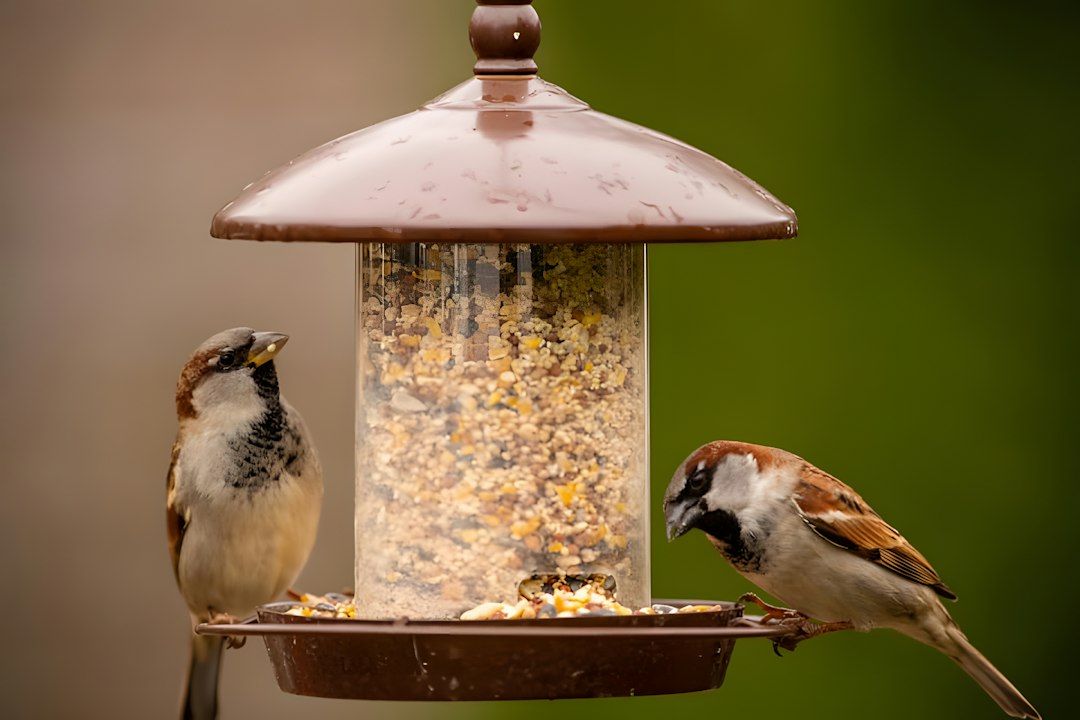
Many backyard bird watchers mistakenly believe that if they put out more birdseed, they will automatically get more birds. In reality, bird feeding stations often become sites of intense territorial aggression. Dominant species like Blue Jays or European Starlings can monopolize a single feeder, driving away smaller, timid species. By understanding the social hierarchy and foraging habits of local birds, you can transform your backyard into a harmonious ecosystem rather than a scene of constant skirmishes.
The goal of this protocol is to create a tiered feeding environment that accommodates different species' needs while lowering the energy cost of foraging. When birds spend less time fighting for position at the feeder, they are less stressed, healthier, and more likely to return to your garden throughout the season.
Phase 1: Spatial Decoupling of Feeding Zones
The most effective way to reduce aggression is to physically separate your feeding stations. If you have all your feeders clustered on a single pole, you are essentially creating a bottleneck that invites conflict. Instead, utilize the principle of 'spatial decoupling' to ensure that dominant birds cannot guard every resource at once.
- Distance: Place feeders at least 15 to 20 feet apart. This forces dominant birds to choose which station to defend, leaving others open for smaller species like chickadees or nuthatches.
- Visual Barriers: Use natural foliage, hanging plants, or decorative garden structures to create line-of-sight breaks between feeders. If a starling on one feeder cannot see a goldfinch on another, the likelihood of a territorial charge is significantly reduced.
- Height Variation: Different species prefer different feeding heights. Place ground-feeders (like mourning doves) on trays near the grass, tube feeders at eye level for finches, and suet cages higher up for woodpeckers.
By creating multiple feeding 'micro-climates' in your yard, you force the dominant species to commit to one location, effectively creating a safe harbor in the remaining areas of your garden.
Phase 2: Feed Selection as a Deterrent
Not all seeds are created equal, and some are magnets for aggressive or 'nuisance' birds. If your yard is being overrun by House Sparrows or Starlings, it is likely because you are providing high-volume, low-cost seed mixes containing fillers like milo and wheat, which these species find highly attractive.
- Switch to Black Oil Sunflower: This is the gold standard for most garden birds. It has a high fat content and thin shells, making it easy to crack for a wide variety of species while being less attractive to the aggressive bulk-feeders.
- Incorporate Safflower: If you are plagued by squirrels or certain aggressive species, safflower is a bitter-tasting seed that many of these animals avoid, yet it is a favorite for cardinals and grosbeaks.
- Eliminate the Mixes: Cheap store-bought bags often contain 'filler' seeds that birds discard on the ground. This waste attracts rodents and creates an artificial food source that triggers territorial guarding behavior.
Phase 3: Ongoing Maintenance and Sanitation
An unclean feeder is not only a health hazard; it can also be a point of contention. Birds that are sick or lethargic may linger longer at a feeder than they should, which can trigger aggressive behavior from healthier birds trying to drive them away. Regular sanitation is a key component of your management protocol.
You should aim to clean your feeders at least once every two weeks. Use a solution of one part bleach to nine parts water, scrubbing thoroughly and ensuring the feeders are completely dry before refilling. A clean feeder is more efficient, attracts more diverse species, and signals that your garden is a managed, healthy environment.
Finally, remember that the most important factor in your success is patience. It may take several days for the local bird population to adjust to the new layout of your yard. Once they realize that there are multiple, secure locations to feed, you will see a noticeable increase in the variety and behavior of your backyard visitors, turning your space into a peaceful sanctuary for local wildlife.