The Archaeology of the Empty Spice Jar: Why We Keep Our Culinary Ghosts
Have you ever found yourself holding onto an empty jar of saffron or a dried-up bottle of sumac? Discover the sentimental weight of our kitchen cupboards.
The Echo of a Past Feast
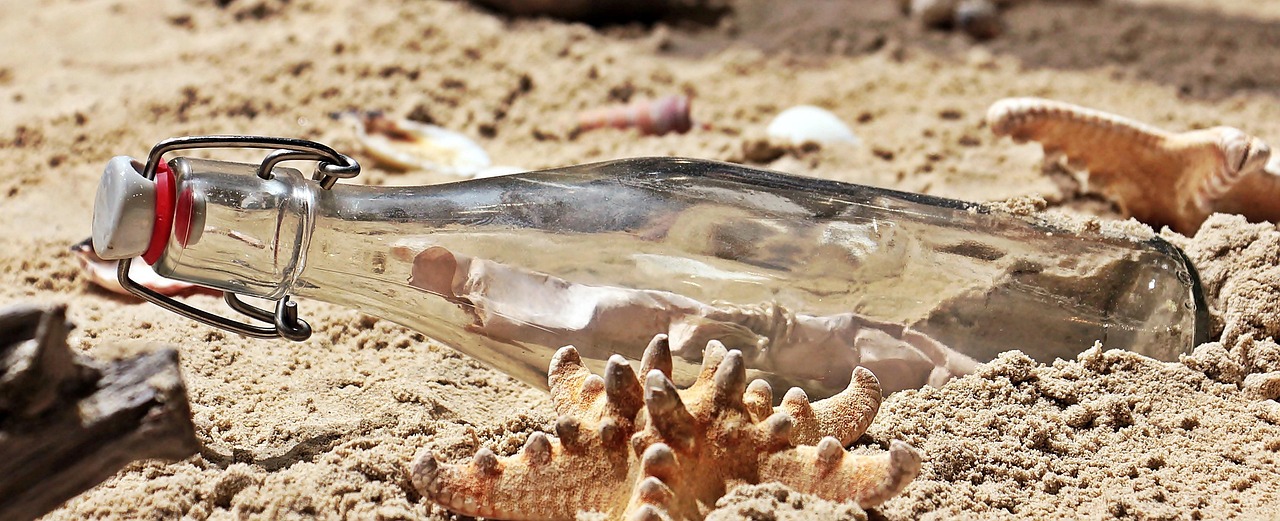
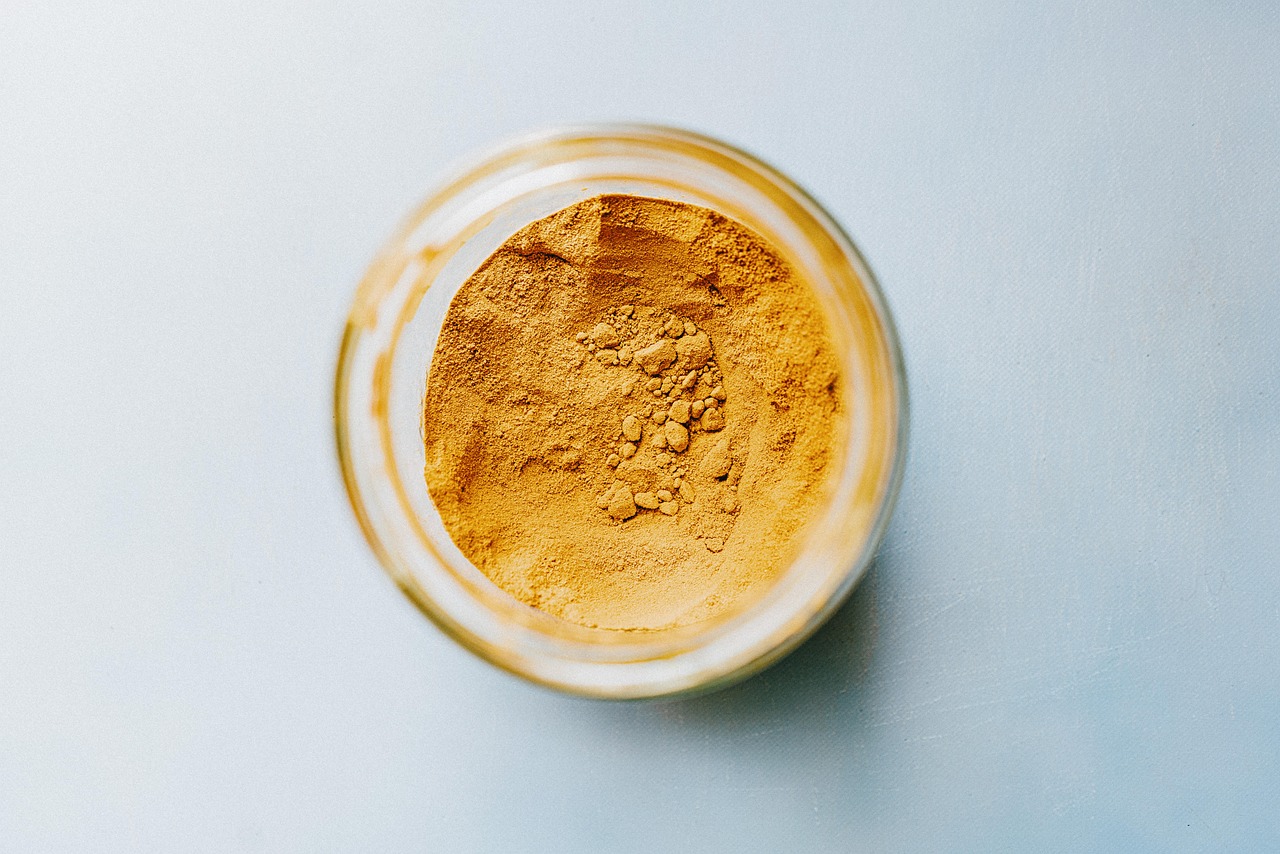
I recently found myself standing in front of my spice rack, staring at a glass jar that had been empty for at least three years. It was a tiny, squat vessel that once held smoked paprika from a market in Budapest. The label was peeling, the lid was slightly tarnished, and there was absolutely no culinary value left within its walls. Yet, I couldn't bring myself to toss it into the recycling bin. Why do we keep these hollowed-out containers that once served as the backbone of our favorite meals?
This behavior is more than just cluttered kitchen habits; it is a form of domestic archaeology. We treat these empty jars as relics of a time when we were more adventurous cooks, or perhaps as souvenirs of a specific dinner party that lives on in our collective memory. The spice jar is a unique artifact because it represents a transformation—the process of turning raw ingredients into an experience that nourished us and our loved ones.
The Anatomy of Culinary Memory
Spices are inherently evocative. Unlike a bag of flour or a carton of milk, a spice jar carries a specific scent profile that can transport us across time and space. When we empty a jar of cumin or star anise, we aren't just finishing an ingredient; we are closing a chapter of our own personal history. Keeping the jar is a way to anchor that memory.
- The 'Vacation Spice': A jar bought in a foreign country that reminds you of a sun-drenched bazaar.
- The 'Project Spice': An exotic ingredient purchased for a complex recipe you only made once.
- The 'Inherited Spice': A dusty jar that belonged to a parent or grandparent, serving as a fragrant tether to your roots.
To cook is to create, but to keep the empty jar is to curate the museum of one's own growth.
The Resistance to Finality
There is a quiet, stubborn resistance to throwing away an empty spice jar because doing so feels like admitting that a specific period of life is truly over. If I throw away the sumac, does that mean I’m no longer the person who enjoys bright, lemon-zest middle-eastern salads? If I bin the last of the saffron, am I signaling that I’ve stopped trying to make elaborate paellas on Tuesday nights?
We hoard these jars because they provide a sense of continuity. In an age where everything is disposable and digital, the physical remnant of a meal provides a tangible connection to the act of living. It is a way of saying, 'I was here, I created this, and I enjoyed the process.' The jar becomes a physical manifestation of a fleeting moment of flavor.
Curating the Cupboard
Eventually, every kitchen reaches a breaking point. When the shelves groan under the weight of glass ghosts, we are forced to confront our hoarding. This isn't necessarily a bad thing. Transitioning from a collector of empty vessels to a mindful cook involves recognizing that the memory isn't in the glass—it's in the palate and the hands.
If you find yourself surrounded by these ghosts, try taking a photo of the collection before clearing them out. This allows you to archive the history without needing the physical clutter. You can even write down the story of the meal associated with the spice. By documenting the memory, you liberate the shelf space for new, vibrant ingredients that are waiting to be turned into the next great chapter of your culinary life.
Ultimately, the empty spice jar is a reminder that while our ingredients are finite, our capacity to create and remember is infinite. Don't let your kitchen become a graveyard; let it be a garden that is constantly turning over, making room for the next harvest of flavors and the new memories that come with them.