The Archaeology of the Unworn Costume: Why We Hoard Our Alter Egos
The Hangers of Lost Potential
We all have that one corner of the closet. Maybe it is a sequined cape from a party in 2012, or a mascot head that has lost its foam shape, or perhaps a vintage ceremonial robe that never quite fit the occasion. We keep these things not because they are useful, but because they represent a fragment of an identity we once tried on and never fully discarded. In the archaeology of our own lives, these unworn costumes are artifacts of possibility.
When we hoard a costume, we aren't hoarding material—we are hoarding a psychological state. That costume represents a moment where we gave ourselves permission to be something other than our mundane, daily selves. By holding onto it, we are essentially curating a museum of our own creative potential, preserving a version of us that was bolder, sillier, or perhaps more heroic than the person we are on a Tuesday morning.
The Psychology of the Mask
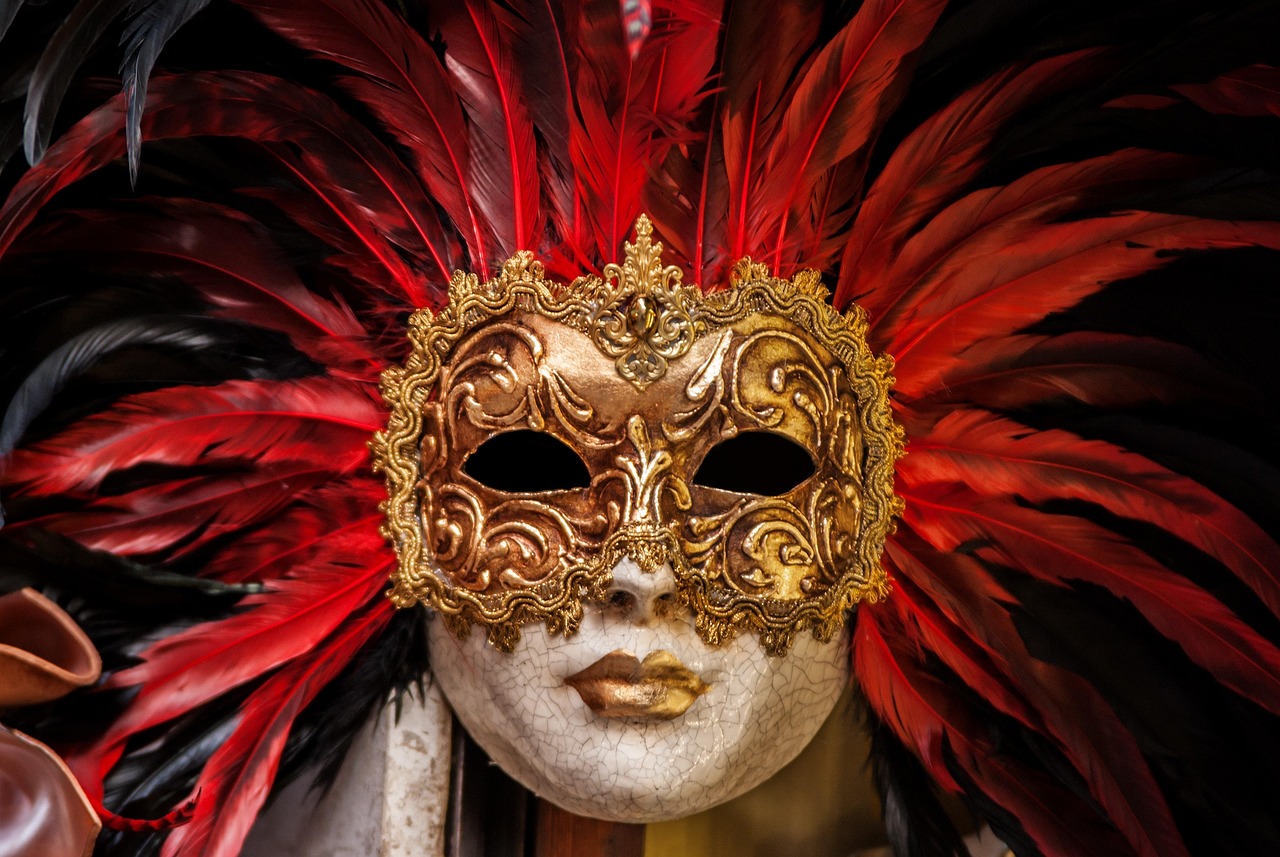
Psychologically, a costume is more than clothing; it is a boundary. It allows us to step out of the rigid requirements of our social lives and enter a space of play. Keeping an unworn costume is a way of keeping a door ajar to that space. It is a tangible reminder that our personalities are not fixed, but fluid, capable of being reshaped by the right accessory or the right environment.
We do not keep the costume; we keep the memory of the moment we believed we could be someone else.
The act of keeping these items highlights several key aspects of our personality:
- Our desire to reconnect with past versions of ourselves that felt more adventurous.
- A lingering hope that we will eventually find the 'right' occasion to be that person again.
- The comfort of knowing that, even if life feels small today, we once had the capacity to become larger-than-life.
The Liminal Space of the Closet
There is a quiet irony in keeping something that was meant to be worn, but never is. These objects exist in a state of limbo—neither truly discarded nor truly utilized. They represent the 'what ifs' of our lives. When we look at that shelf, we aren't just seeing old clothes; we are seeing a map of our own imagination. Each piece is a testament to a time when we weren't worried about efficiency or practicality, but were instead focused on the simple, human joy of metamorphosis.
Perhaps we should stop viewing these items as clutter and start seeing them as bookmarks in the narrative of our own lives. They are the artifacts of our willingness to play, to pretend, and to experiment with the borders of our own identities. Instead of clearing them out in a fit of minimalist rage, consider what they offer: a gentle nudge that you have been more than one person in your life, and that you have the capacity to surprise yourself again.
Ultimately, these unworn costumes aren't just taking up space; they are holding space for our inner lives. They remind us that the mundane world is only one part of the story, and that deep down, we are all still capable of putting on a mask, stepping out, and rediscovering the magic of being someone entirely new.