The Archaeology of the Unmatched Button: Why We Hoard Our Loose Connections
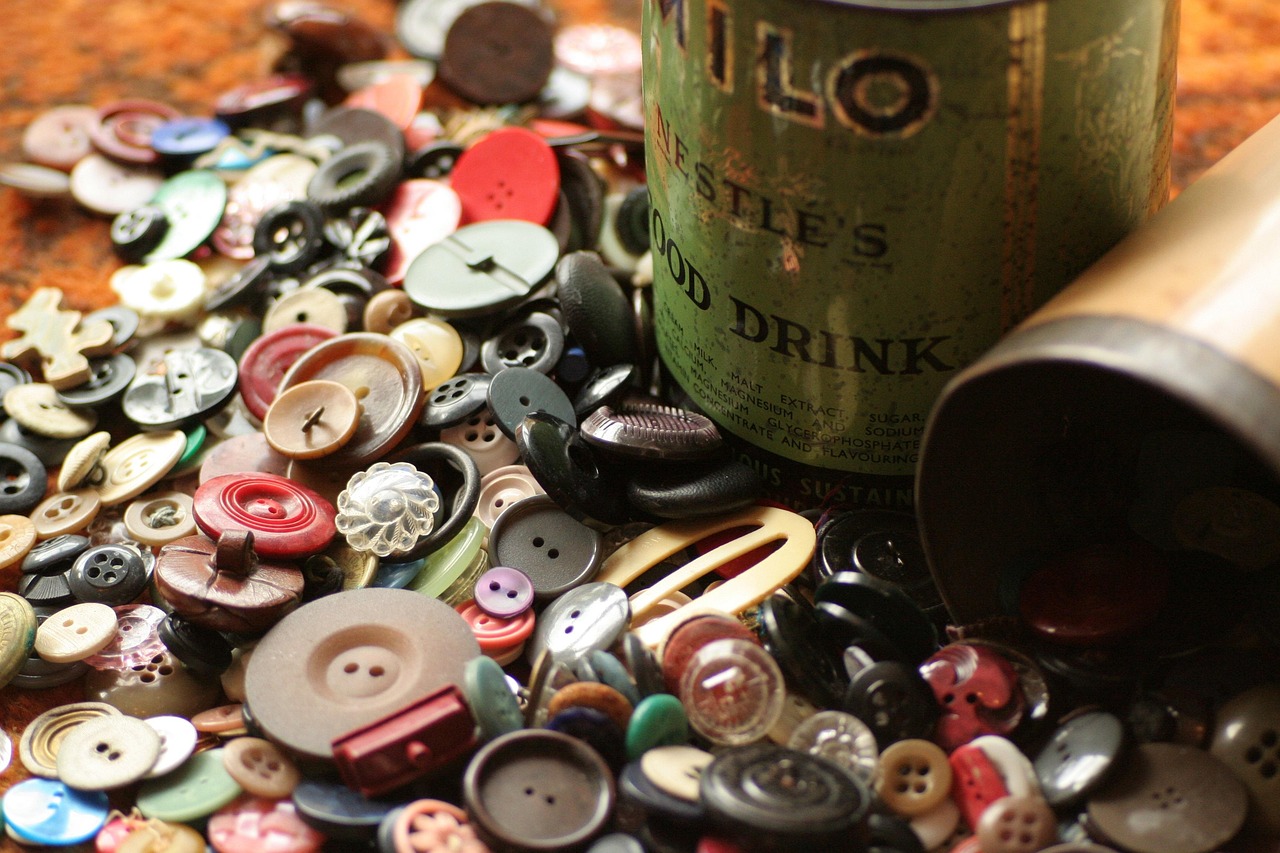
The Anatomy of the Orphaned Plastic
Open any junk drawer in any house across the globe, and you are likely to find it: a small, unassuming pile of plastic, wood, or mother-of-pearl circles. They are the unmatched buttons, survivors of shirts that turned into rags, coats that were donated to charity, or trousers that simply wore through at the knee. We rarely use them, and yet, we cannot bring ourselves to commit them to the trash. There is a strange, quiet dignity in these small objects, a sense that they are waiting for a reunion that will never come.
We hoard these buttons because they are the physical manifestations of our past choices. Each button was once part of a deliberate outfit, chosen for a job interview, a first date, or a cold winter day. When the garment dies, the button remains as a miniature monolith, a witness to the life we led while wearing it. We hold onto them not because they are useful, but because they are proof of existence.
The Psychology of Potential Repair
Why do we tell ourselves that we might need them someday? The 'someday' excuse is a powerful psychological mechanism that shields us from the finality of loss. By keeping a spare button, we are signaling to ourselves that we are people who fix things, people who maintain order and plan for the future. It transforms a discarded object from 'trash' into 'resource.' This is a form of domestic optimism, a way of believing that the frayed edges of our lives can always be mended if we just keep the right pieces in storage.
The button is the ultimate anchor of the garment; without it, the fabric falls away. By keeping the button, we are subconsciously trying to keep the fabric of our own history from drifting apart.
The Taxonomy of the Mismatched
If you take the time to dump your button collection onto a table, you will notice a fascinating taxonomy emerge. There are the utilitarian plastic discs, the remnants of school uniforms or mass-produced blouses. Then there are the ornate, heavy metal buttons that feel like family heirlooms, perhaps salvaged from a grandfather’s military coat. And finally, there are the weird ones—the ones that came as 'extras' attached to the inside of a new purchase, which we cut off and threw into the tin immediately, never even knowing the garment they were meant to support.
- The 'Extra' Spare: The button you removed from a new shirt before you even wore it once.
- The Survivor: The lone button salvaged from a piece of clothing that was otherwise ruined.
- The Heirloom: A button of high quality that feels too expensive to discard, even though you have no matching set.
- The Mystery: The button that appeared in your jar but you have no memory of ever owning the garment it belonged to.
The Comfort of Small Things
There is a tactile satisfaction in running your fingers through a pile of buttons. They are smooth, cool, and durable. In an age where so much of our lives is digital, ephemeral, and intangible, these solid, rattling objects feel grounding. They remind us that our physical world has weight and texture. Holding a button, we are holding a memory that has been reduced to its most essential, geometric form.
Ultimately, these buttons represent our fear of obsolescence. If a button can still hold a shirt together, perhaps we can still hold ourselves together. We aren't just hoarding plastic; we are curating a small museum of our own endurance. Each one represents a time we survived, a time we moved on, and a time we kept moving forward.
Next time you find yourself staring at that forgotten jar of buttons, don't just see them as clutter. See them as a collection of small, quiet stories. You don't have to keep them all, but perhaps acknowledge that they have done their job well. They have held your life together, one thread at a time, and that is a legacy worth keeping for just a little while longer.