The Pantry Inventory Rotation Protocol: Eliminating Food Waste Through Strategic Stocking
Transform your chaotic kitchen shelves into a high-efficiency food management system that saves money and reduces waste.
The Philosophy of First-In, First-Out
Most household food waste happens because we treat our pantries like a graveyard rather than a living system. When you buy a new box of pasta or a jar of spices and shove it in front of the old one, you are effectively burying perfectly good food until it expires. The First-In, First-Out (FIFO) protocol is the gold standard used by professional kitchens and retailers to ensure that the oldest items are consumed before the newest ones. By shifting your perspective from merely 'storing' food to 'rotating' it, you save hundreds of dollars a year in groceries that would otherwise end up in the trash.
The Physical Audit and Categorization Phase
Before you can optimize, you must understand your current inventory. Start by pulling everything off your shelves. Group items by category: grains, proteins, baking supplies, canned goods, and condiments. Check every single expiration date. If an item is past its prime, discard it. If it is within three months of expiration, place it in a designated 'Eat Soon' bin at the front of your eye-level shelf. This audit is not just about cleaning; it is about creating a baseline for your true consumption habits.
The biggest mistake in pantry management is over-buying items that look good on sale but do not fit your actual weekly cooking rotation. If you do not eat it within 30 days, do not keep it in the primary rotation.
Implementing the Depth-Stacking Technique
Once you have cleared your space, organize your pantry by depth. Place items with the shortest remaining shelf life at the front or on a 'first-out' shelf. For deep cupboards where items often get lost in the back, use risers or lazy Susans. These tools allow you to see everything you own without having to move boxes. When you return from the grocery store, do not just push new items to the back. Take the extra thirty seconds to pull the existing items forward and place the new, longer-dated items behind them.
Standardizing Your Container Ecosystem
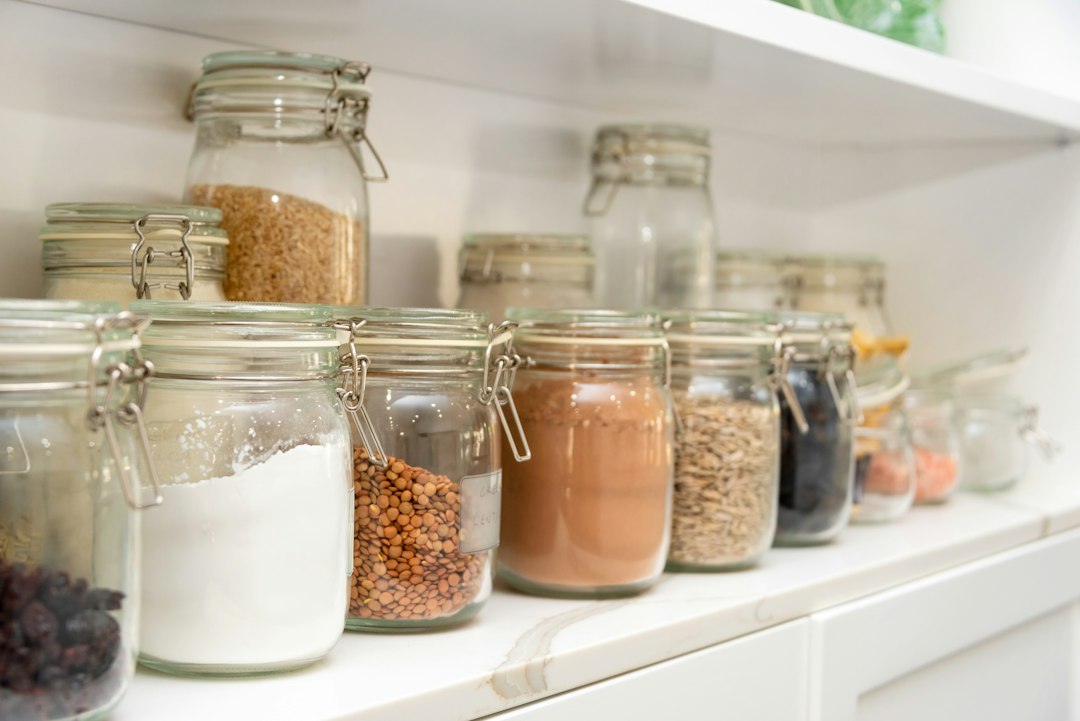
Packaging is the enemy of visibility. Cardboard boxes and opaque bags hide the truth of how much you have left. Transferring dry goods—like rice, lentils, flour, and pasta—into clear, airtight glass or BPA-free plastic containers is a game-changer. Not only does this keep pests out, but it also provides a visual indicator of your stock level. When you see your rice container is only 20% full, you know exactly when to add it to your shopping list without guessing or buying duplicates.
Maintaining the Cycle
The final step is the weekly reset. Dedicate ten minutes before your weekly grocery run to scan your pantry. Use this time to verify which items in your 'Eat Soon' bin were used and which ones need to be moved to the front. If you have leftovers from a project, like a half-used bag of almonds, commit to using them in a recipe that week rather than letting them sit. By treating your pantry as a dynamic, rotating inventory, you turn a chore into an act of financial stewardship.
By adopting the FIFO protocol and standardizing your storage, you stop the cycle of accidental waste. You will find that you spend less time searching for items and more time cooking with ingredients you actually value. This protocol creates a calm, predictable kitchen environment that pays dividends in both money and mental clarity.