The Wall of Silent Bricks
The Encroachment
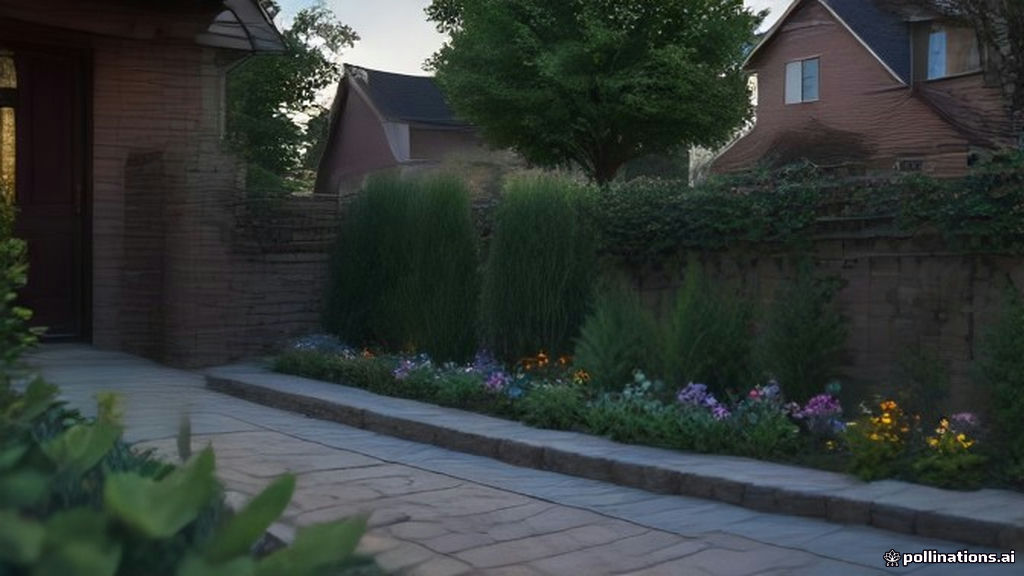
The first brick appeared on a Tuesday, right across the invisible line where my property met Elias and Sarah’s pristine lawn. They didn't ask; they simply started building a retaining wall that sliced three feet into my garden, effectively burying the rosebushes my mother had planted forty years ago. When I walked out to confront them, Elias didn't even look up from his power drill. He muttered something about 'zoning adjustments' and 'official surveys' that I knew were fabrications. The audacity was cold, clinical, and entirely unprovoked.
I was the quiet one, the neighbor who kept the hedges trimmed and the noise to a minimum. That, they realized, was my vulnerability. They assumed I would be too polite to fight, too timid to pull up the public records, and too exhausted to stand in front of the cement mixer. They were right about the exhaustion, but they were wrong about the resolve. By the end of that week, my backyard was a construction site I hadn't commissioned, and my own fence had been torn down as 'debris' without a word of apology.
The Weight of the Silence
For months, the relationship turned into a war of attrition. I stopped saying hello. They started leaving their trash bags near my porch, a passive-aggressive reminder of who they thought owned the territory. I spent my nights in the basement, pouring over old maps and property deeds from the city archives. The injustice burned, not because of the three feet of dirt, but because of the way they looked at me—as if I were a squatter in my own life. My brother, who lived three towns over, told me to let it go. 'They’re bullies, just sell the place,' he said over the phone, his voice dripping with the kind of pragmatism that feels like betrayal.
The loudest sounds in a house are the ones made by people pretending you don't exist, even while they stand on your porch.
I didn't sell. Instead, I saved every penny of my modest salary, working double shifts at the clinic, waiting for the right moment. I watched them build their beautiful, illegal wall, brick by expensive brick. I watched them host garden parties, laughing over drinks while my garden turned into a graveyard of uprooted perennials. I kept my head down, played the part of the beaten neighbor, and let them get comfortable in their theft.
The Paper Trail
The turning point came when I found the original surveyor’s stake, buried deep under the ivy near the old oak tree. It was rusted, bent, and perfectly placed to prove that the wall wasn't just an encroachment—it was a structural violation of a historical easement that protected the original foundation of my home. I didn't go to them with a lawyer. I went to the city planning office with a stack of documents that made their 'adjustments' look like a criminal enterprise. The look on the city inspector's face when he saw the encroachment was enough to make the months of silence worth it.
The legal process was slow, but it was absolute. By mid-summer, the city issued a demolition order. Not only did Elias and Sarah have to tear down the wall at their own expense, but they were also fined for the destruction of the historical buffer zone. The day the wrecking crew showed up, they didn't look like arrogant landowners anymore. They looked like people who had finally realized the floor was falling out from under them. They came to my door, faces pale, asking if I could 'settle this privately' to avoid the fines.
The Final Measure
I watched them from the window as they stood on my porch, the very same porch they had treated with such contempt for so long. Elias was sweating, his expensive shirt wrinkled, his voice shaking as he offered to pay for the damages. He looked small. The power they had wielded over me had been entirely illusory, built on the assumption that I would never check the fine print. I didn't yell. I didn't gloat. I simply pointed to the empty space where the wall had been and said, 'I think the law has already settled this for us.'
They moved out three months later, unable to face the neighbors they had tried to manipulate, and the bank eventually took the house. I still live here, in the house my father built. My garden is back, the roses are blooming, and the boundary line is marked by a simple, sturdy wire fence that I put up myself. There is a quiet satisfaction in knowing that the foundation of a home is held together by more than just bricks and mortar; it is held together by the refusal to be moved.
How much of your own ground have you surrendered because you were too polite to claim it?