The Analog Family Tree Interview Protocol: Preserving Ancestral Narratives
Why Preserving Oral History Matters
We often forget that our family history is not just a list of names and dates on a chart, but a complex tapestry of experiences, survival strategies, and personal triumphs. When our elders pass, they take with them the unrecorded sensory details—the scent of a childhood kitchen, the specific struggles of a migration, or the subtle humor that defined a generation. This protocol is designed to capture these ephemeral memories, transforming casual conversations into a structured, lasting family archive before the opportunity disappears.
Preparation Phase: Setting the Stage
An effective interview should never feel like an interrogation. It must be a collaborative exploration. To create the right atmosphere, choose a location familiar to the interviewee, free from television noise or household distractions. Ensure you have a reliable recording device, but prioritize the connection over the technology.
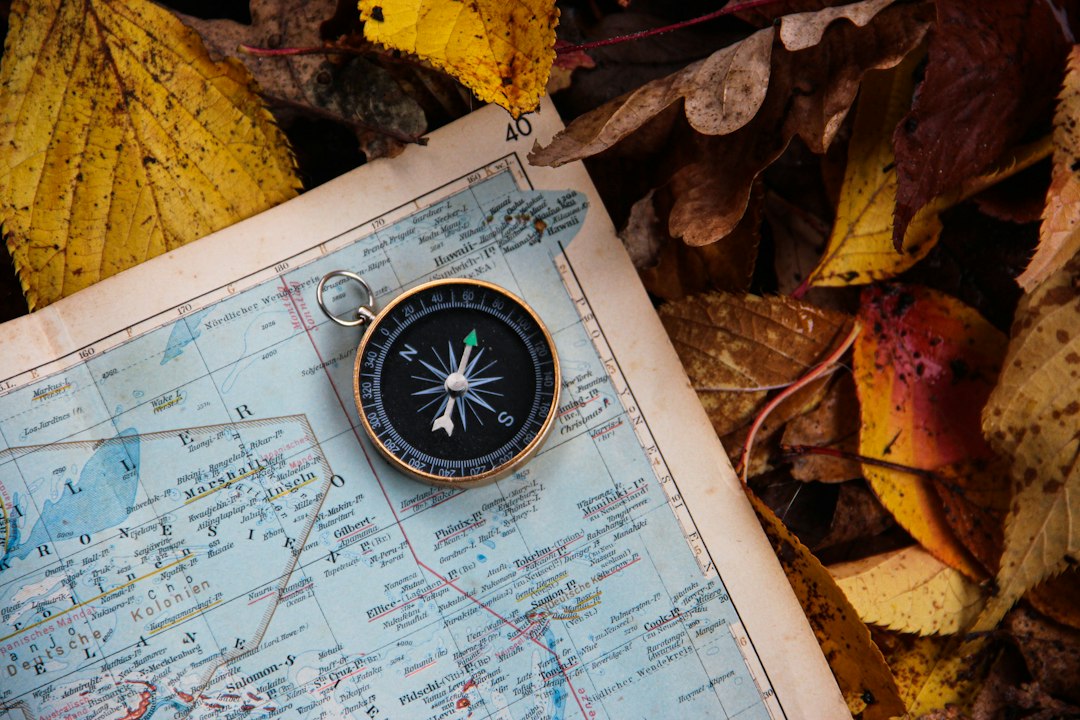
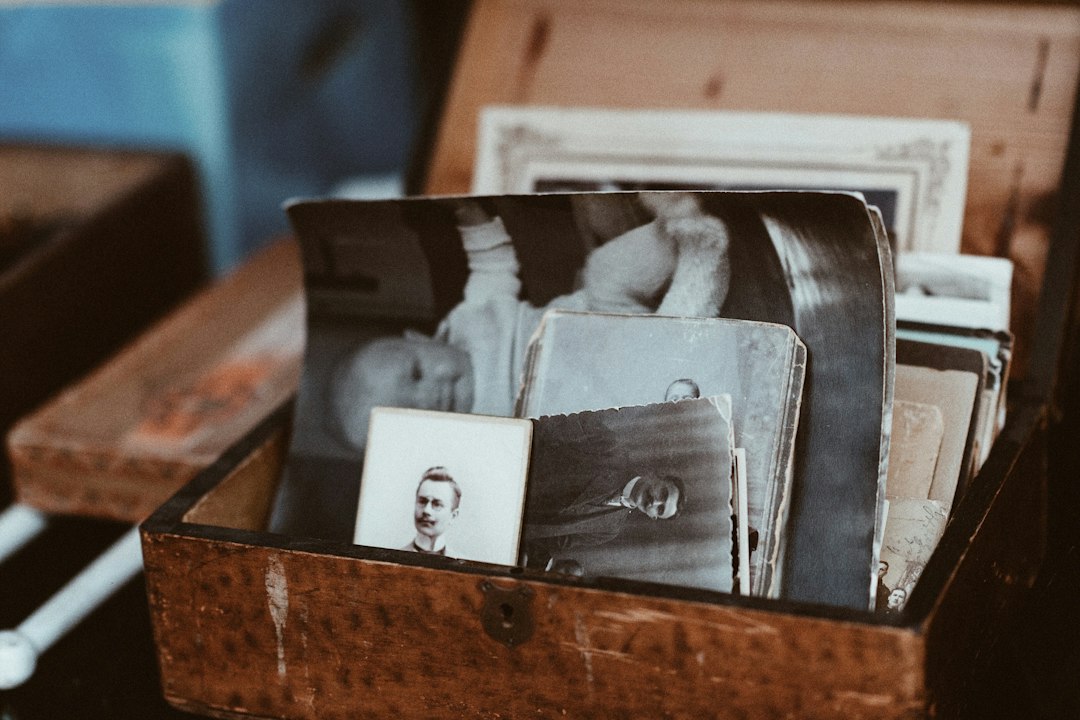
- Bring physical triggers like old photos, maps, or heirlooms to spark specific memories.
- Prepare refreshments to turn the session into a social ritual rather than a task.
- Allocate at least 90 minutes; meaningful reflection takes time to emerge from the subconscious.
The Interview Structure: How to Dig Deeper
The goal is to move beyond biographical facts into narrative truth. Use open-ended questions that invite the storyteller to wander. If they drift into a tangent, allow it—often, the most profound insights are found in the side stories they feel compelled to share.
Oral history is not a collection of dates; it is the orbit of human emotions and survival.
Start with sensory anchors: Ask about the sounds of their childhood neighborhood, the textures of their first home, or the smell of their mother's cooking. Transition into their formative experiences—the first time they felt independent, a major turning point in their career, or a moment of great moral difficulty. By focusing on the 'how' and 'why' rather than just the 'what,' you create a portrait of a person, not just a data point.
Common Mistakes and Expert Tips
The most common error is being too rigid with a pre-written list of questions. Treat the interview as a dialogue, not a checklist. If you sense hesitation or emotional resistance, pause and validate their feelings rather than pushing forward.
- Embrace the silence; some of the most profound stories follow a long, thoughtful pause.
- Document names, locations, and relationships mentioned during the chat, even if they seem minor.
- Be prepared for grief; allow your elders the space to express loss alongside joy.
Archiving and Preservation
Your work is not complete once the recording stops. Immediately back up your files to at least three locations: a cloud service, a physical hard drive, and a secondary off-site location. Transcribe the core anecdotes or use a speech-to-text tool to create a searchable document. By cataloging these stories, you are performing a profound act of service for future generations, ensuring that the legacy of your ancestors remains vibrant, accessible, and deeply human.