The Locket of Salt and Iron
The Inheritance of Silence
When my father died, the house in the valley was supposed to be a place of healing. Instead, it became a battlefield of paperwork and resentment. My two older brothers, Marcus and Julian, didn't even wait for the soil on the grave to settle before they changed the locks. They told me that my 'contribution'—the years I spent nursing our father through his final, agonizing months of dementia—was merely a duty, not an investment. They hired a lawyer who looked at me as if I were a smudge on a clean suit. 'You have no legal standing, Elias,' he said, his voice as dry as parchment. 'The trust was restructured six months ago. You are out.'
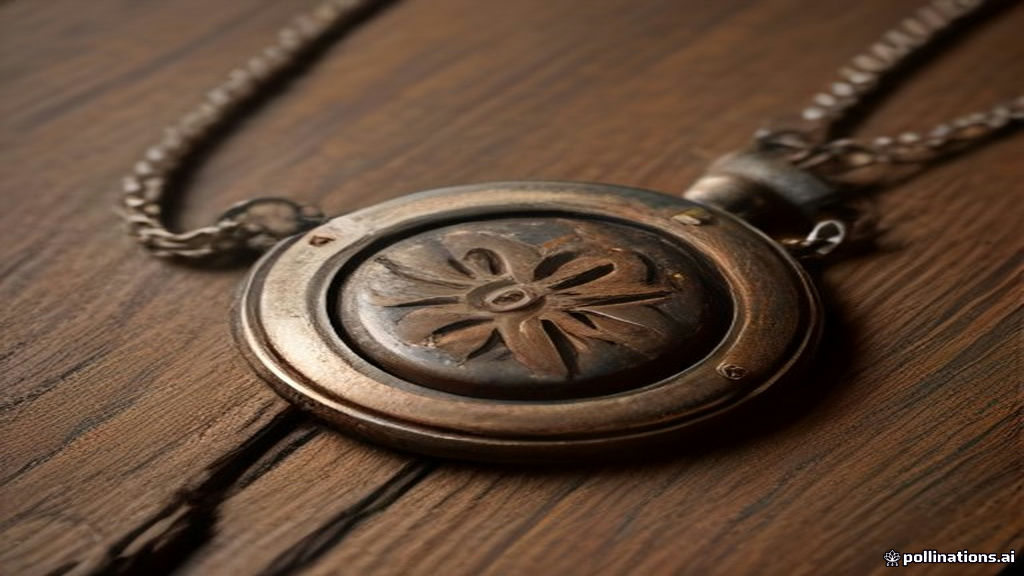
I stood on the porch in the rain, my suitcase heavy with nothing but worn clothes and a single, rusted locket my father had pressed into my hand the night he passed. I didn't fight them. I didn't scream or beg. I simply watched them toast to their windfall through the living room window, their laughter echoing against the glass like breaking porcelain. I walked away, leaving behind the only life I had ever known, carrying only the weight of a secret my father had shared in his final, lucid hour.
The Weight of the Promise
For three years, I worked the docks in a coastal town four hundred miles away. My hands grew calloused, my skin turned the color of weathered driftwood, and my back learned the rhythm of heavy lifting. My brothers, meanwhile, tried to develop the valley property. They poured money into renovations, thinking they were sitting on a goldmine. They didn't know about the salt. They didn't know that my father had spent his life fighting the encroaching tide of the marshland that sat beneath the foundation of that house.
The earth remembers what the ink forgets; you cannot build a castle on a foundation of shifting salt and broken promises.
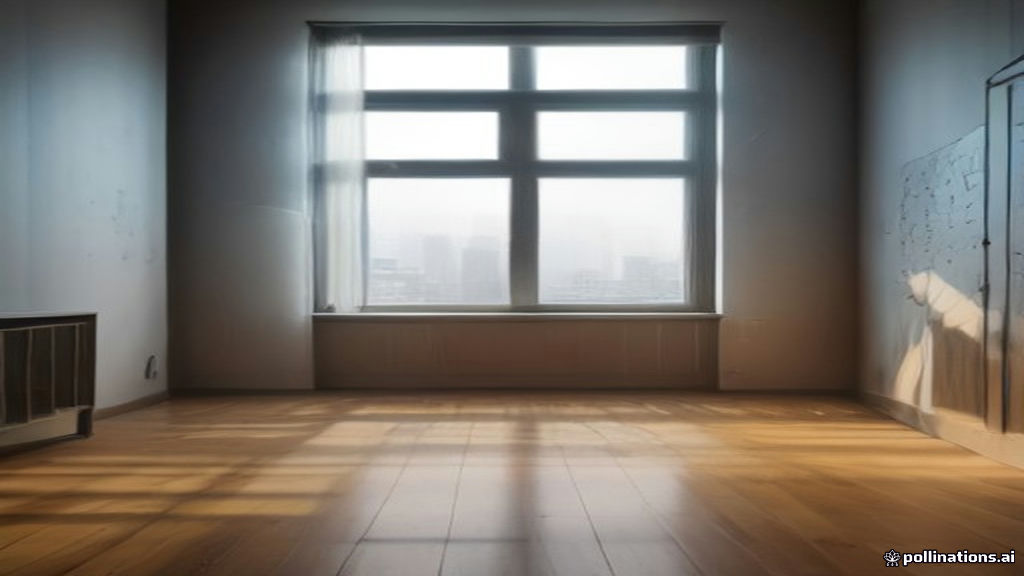
They called me once, about a year in. Marcus sounded frantic, his voice lacking the arrogance of the funeral day. 'The floorboards are buckling, Elias. The moisture is rotting the joists. Do you have the old blueprints? The ones you used to organize during the summer?' I told him the truth: I had burned them. I didn't lie, but I didn't offer help. I let the silence stretch until he hung up, his frustration turning into a low-grade panic.
The Tables of Iron
The turning point came when the foundation finally gave way. The house didn't collapse, but it became uninsurable, a sinking ship of rotting wood and black mold. Property taxes rose, and the bank, sensing a liability, called in their loans. My brothers were overextended, their credit ruined by the failed project. They had built their lives on the assumption that the land would sustain them, but the land had a different plan. They came to find me in the harbor town, looking like ghosts of the men they once were.
I was sitting in a small tavern when they walked in. They were disheveled, their suits ruined by travel, their eyes hollowed out by debt. Julian stepped forward, his hands trembling. 'Elias, we were wrong. We can fix this if you show us the drainage map. The one you held onto. The one Father talked about in his will.' I looked at them, then reached into my pocket and touched the locket. Inside was not a photo, but a key—a small, iron key to an old sea-chest buried in the cellar of that very house, containing the deed that proved the land was legally mine before they had ever touched the trust.
- I never showed them the map.
- I never gave them the key.
- I watched them walk out into the rain, knowing exactly what they had lost.
The Final Settlement
I eventually returned to the valley, not to reclaim the house, but to watch it be dismantled. I bought the property back for a pittance from the bank, the land cleared and silent. I stood where the kitchen once was, the place where my brothers had toasted their greed, and felt nothing but the wind moving through the tall grass. The locket felt light against my chest, its purpose fulfilled. There was no grand confrontation, no dramatic speech. There was only the quiet satisfaction of seeing a debt settled by time itself.
When the dust settled, I didn't reach out to them. They were gone, scattered by the consequences of their own choices. People often ask if I regret not helping them, if I think I could have saved the family. My answer is always the same: some foundations are built to stand, and some are built to sink. I was just the one holding the shovel.