The Art of Transcribing Family Diaries: A Practical Guide
Why Preserving Family Diaries Matters
Family diaries are more than just stacks of yellowing paper; they are frozen moments in time. They capture the intimate details that official history books ignore: the cost of flour in 1924, the secret hopes of a grandfather during wartime, or the mundane joys of a quiet Sunday afternoon. By transcribing these documents, you are not just reading old ink; you are acting as a bridge between generations, ensuring that the unique voice of your ancestors is not lost to the erosion of time.
Step 1: Preparation and Preservation
Before you even attempt to read the first line, you must ensure the physical safety of the document. Paper degrades due to light, moisture, and skin oils. Always wear white cotton archival gloves to prevent leaving oils on the pages. If the paper is brittle, do not force it flat. Use archival-quality acid-free folders to store them, and keep them in a climate-controlled area away from direct sunlight or humid environments like attics or basements.
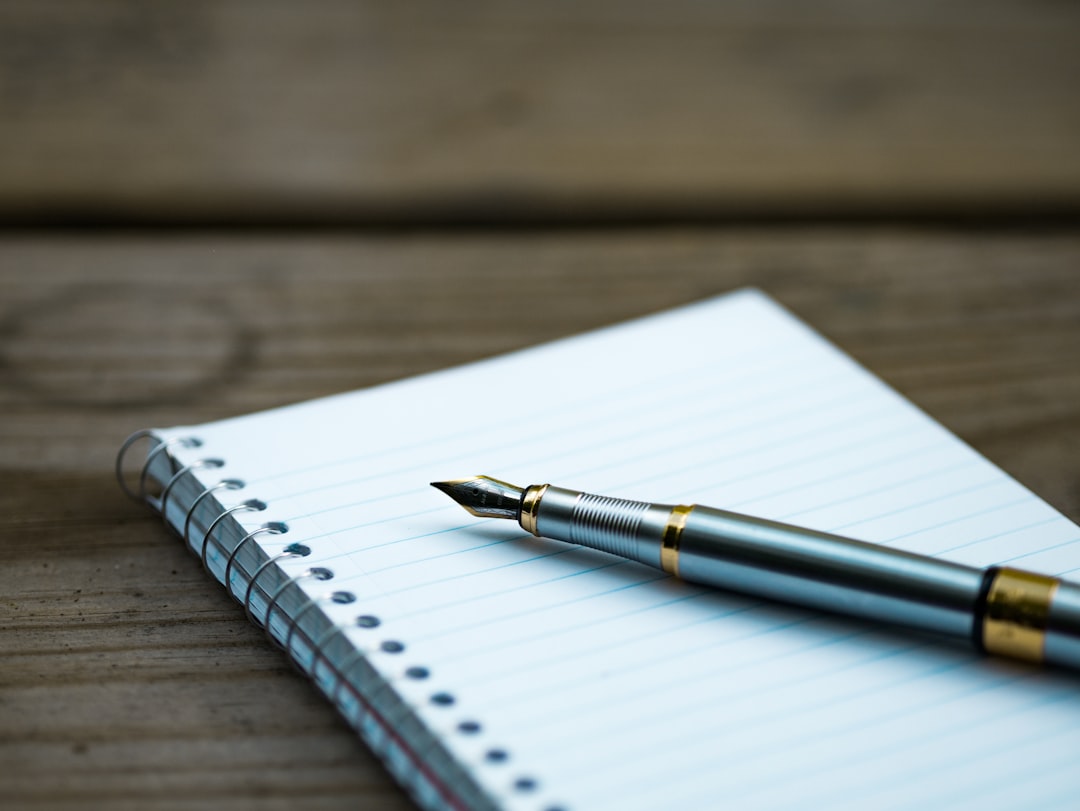
History is not just the grand events of nations; it is the quiet, handwritten record of those who lived through them.
Step 2: Decoding Handwriting and Context
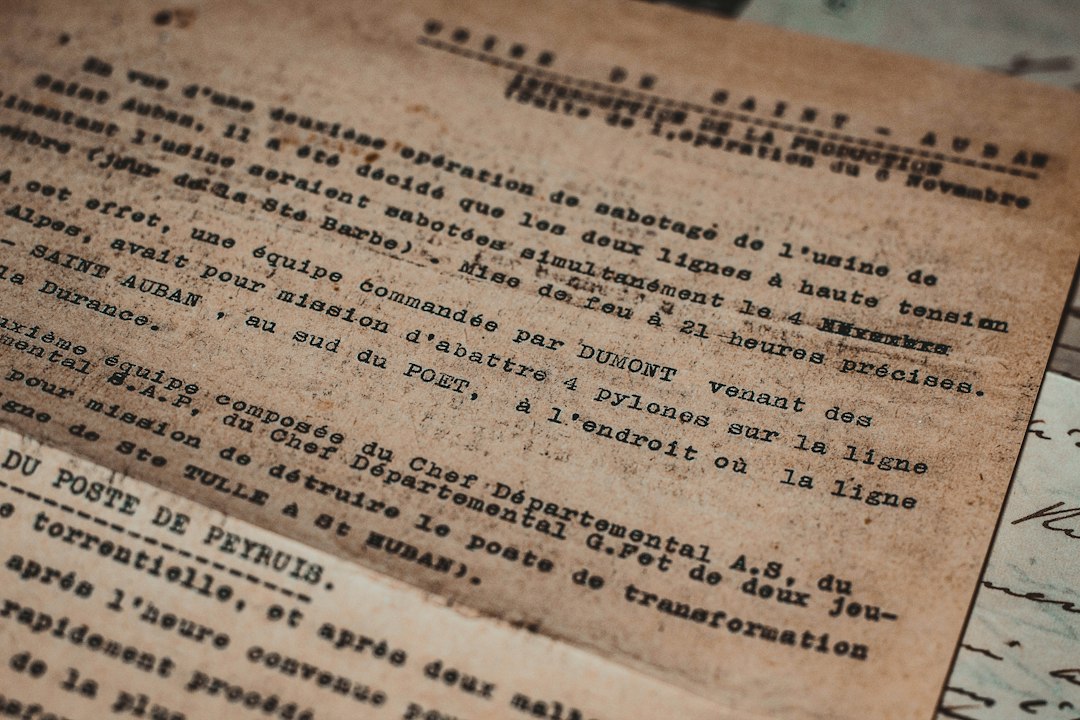
Handwriting from previous centuries can be daunting due to archaic scripts or regional quirks. Use the word-context method: if you cannot decipher a specific word, look at the surrounding sentence and the author’s general writing style. Create a personal alphabet key for the author, mapping out their unique flourishes for letters like 's' or 'r'.
- Use a magnifying glass to identify faint strokes or ink bleed.
- Don't rush; aim for only 15–20 minutes of transcription at a time to avoid eye strain.
- Read difficult passages aloud; hearing the cadence can often help you guess a word you couldn't see.
Step 3: Digitization and Archiving
Digitization is your insurance policy. Use a flatbed scanner with a resolution of at least 600 DPI to capture the detail of the paper texture and ink. Avoid using mobile phone cameras unless absolutely necessary, as they often introduce distortion. Organize your files by year and month. For every scanned image, create a corresponding text file (TXT or DOCX) containing the transcription, making it searchable by keyword for future descendants.
Common Mistakes to Avoid
The most common mistake is impatience. Rushing through a page leads to misinterpretation of tone or historical context. Another pitfall is 'editing' the past—never correct the grammar, spelling, or dialect of your ancestors. Their unique linguistic patterns are part of their character and history. If they used archaic slang, keep it exactly as written; it adds authenticity to the record.
Working with family diaries is an act of deep reverence. It requires patience and a steady hand, but the reward is a living, breathing connection to your roots. Start with just one page today, and you will find yourself unraveling a narrative that has been waiting decades for an audience.